





Breadcrumb
Research
The Cannabis Studies Lab conducts community-engaged research that advances our understanding of cannabis, its socio-political landscapes, and the people and places shaped by its history and regulation.
Anchored in interdisciplinary inquiry and a commitment to equity and environmental stewardship, our research projects engage students alongside faculty and community partners to produce data, tools, and insights that inform policy, preserve cultural heritage, and prepare the next generation of scholars and practitioners.
Regenerative Cannabis Management Project
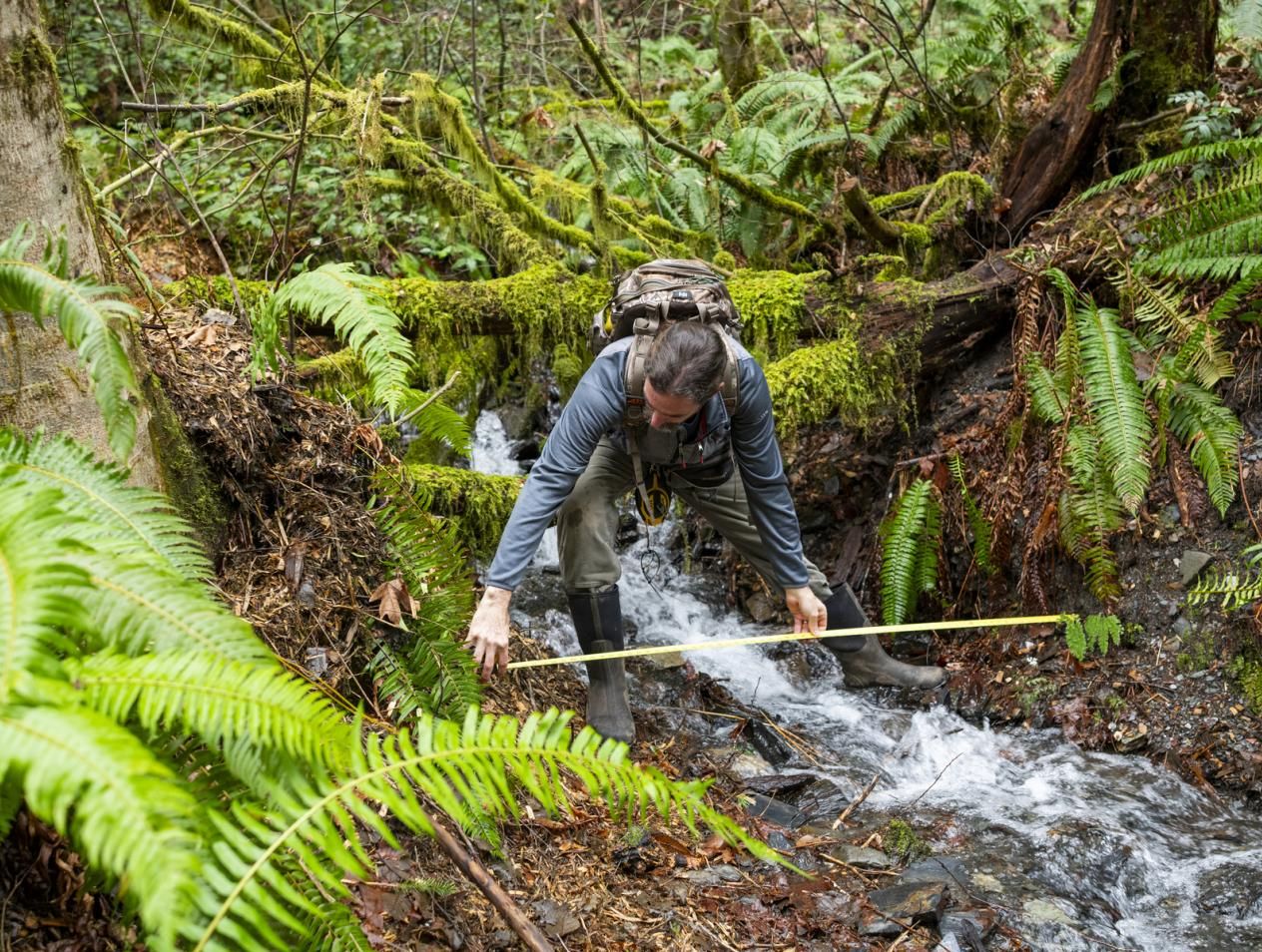
This project will characterize cannabis production systems across six Northern California Counties (Humboldt, Trinity, Mendocino, Sonoma, Nevada, and Santa Cruz).

Licensed Geography Project
The Licensed Geography Project at the Cannabis Studies Lab analyzes the uneven rollout of California’s legal cannabis market using publicly available licensing data. Drawing from the California Department of Cannabis Control’s Unified License Search database, this project offers researchers, policymakers, and the broader public a detailed view of how cannabis legalization has unfolded spatially across the state.
- Spatial Analysis of Licenses: Mapping and modeling the distribution of cultivation, processing, and retail licenses across counties and jurisdictions to reveal patterns of legal cannabis development.
- Equity and Access Insights: Identifying disparities in market participation. For example, which communities have diverse ownership versus those with concentrated or limited access to support informed discussions about economic justice and regulatory design.
- Infrastructure and Energy Dynamics: Complementary research outputs explore related dimensions of cannabis production, including degree of enclosure and energy use in cultivation operations (e.g., how indoor vs outdoor grows factor into regional regulatory and environmental profiles).
By uniting large datasets with rigorous geospatial analysis, the Licensed Geography Project serves as a foundation for evidence-based discussions about how legalization affects communities differently - economically, socially, and environmentally. This work provides meaningful context for students and scholars investigating regulatory equity, rural development, and the structural shifts at play in California’s cannabis landscape.
Legacy Genetics Study
The Legacy Genetics Study, funded by a $2.7 million grant from the California Department of Cannabis Control, is a pioneering, community-driven research initiative aimed at documenting and preserving the genetic diversity and cultural heritage of California’s legacy cannabis communities. Focused on ethnographic, historical, and genomic inquiry, this project brings community partners directly into the research process.
- Community-Based Participatory Research (CBPR): Partnering with local growers, advisory boards, and legacy communities throughout the state, the study employs a participatory model that amplifies local voice and expertise.
- Genetics & Heritage Preservation: Researchers collect and analyze data that trace lineage, diversity, and context of historic cannabis genetics, with outputs such as digital herbarium entries, genomic datasets, and interpretive materials.
- Oral Histories & Cultural Narratives: Hundreds of interviews, archived media, and storytelling efforts help weave together the socio-cultural fabric of rural cannabis communities, from the Emerald Triangle to other historic cultivation regions.
By integrating rigorous scientific methods with culturally grounded research practices, the Legacy Genetics Study preserves botanical diversity and honors the narratives and knowledge systems of growers whose contributions have shaped cannabis culture and innovation. The project positions students and researchers at the intersection of genetics, social history, and policy, fostering a deeper, more inclusive understanding of this plant and its human contexts.