Breadcrumb
COMPASS
Chart your path, stay the course, enjoy the journey.
Helping students along the path to graduation and a career in science, technology, engineering, mathematics, and medicine.
The land where Cal Poly Humboldt is located is part of the ancestral homeland of the Wiyot people who were here since time immemorial before this campus was founded. We acknowledge the history and present of this land and our indebtedness to the Wiyot and neighboring tribal communities for collaboration with our Indigenous and Indigenous minded scholars.
Centering the Indian Natural Resources, Science & Engineering Program (INRSEP) at its heart and guiding North Star, COMPASS programs place special emphasis on working with our Science, Technology, Engineering, Mathematics, and Medicine (STEMM) students.
COMPASS provides academic and research support services to students in STEMM fields to support their academic success and degree completion and connect them with resources and opportunities to meet their career and graduate school goals: We mentor students into careers, graduate programs, and (if eligible) fully-funded doctoral programs.
COMPASS comprises a constellation of programs which serve first generation (first in their family to attend college) and low-income students: INRSEP, Native FEWS (Food, Energy and Water Systems) Alliance, the Geoscience Alliance, Ecological Forecasting Initiative (EFI), CSU-STEM Pathways and Research Alliance (SPaRA), California Institute for Regenerative Medicine Scholars Program (CIRM), and the McNair Scholars Program.
Our goal is to empower our students to become leaders who give back to their communities, society, and future generations while strengthening connections with their heritage and communities, ultimately improving STEMM fields.
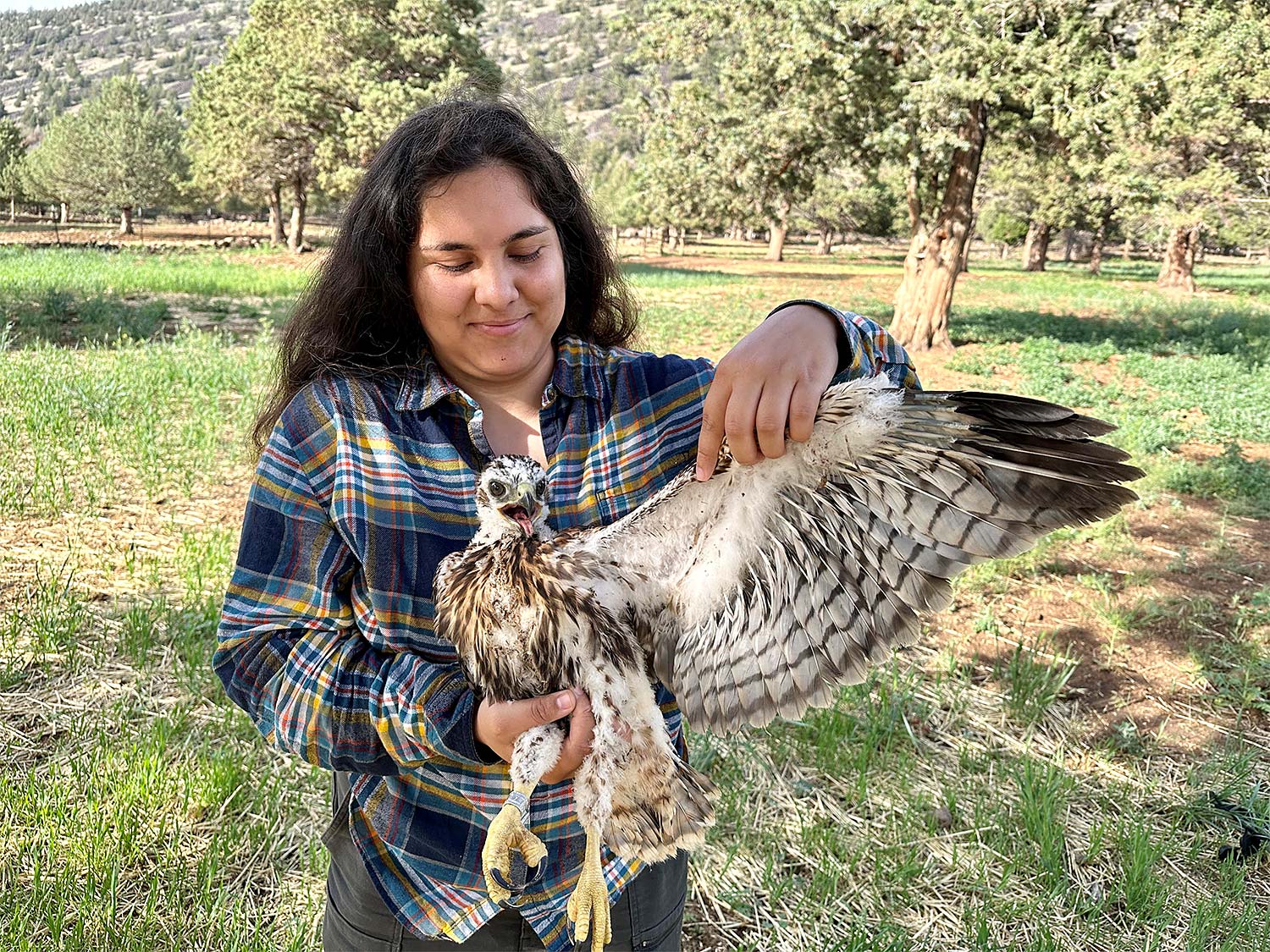
Research Opportunities
COMPASS advisors are STEMM professionals from diverse disciplines who facilitate student research on campus, in the community, and Research Experiences for Undergraduates (REUs) at other institutions of learning. Research experiences contribute to student attainment of advanced degrees, careers, and positions of leadership in STEMM.
REUs provide real experience by involving students in ongoing research programs or in research projects in any of the areas funded by the National Science Foundation. REUs are typically summer programs which support undergraduate students' participation in active research at college campuses and academic institutions and facilitate networking in the academic science communities.
California Institute for Regenerative Medicine (CIRM)
Humboldt CIRM Bridges 3.0 Program is designed to produce biomedical scientists from diverse backgrounds. Each year, COMPASS collaborates with Cal Poly Humboldt STEM faculty to facilitate a cohort of 10 graduate and undergraduate students to participate in a yearlong stem research experience accelerating the discovery, development and delivery of stem cell, gene therapy, and related technologies for improving human health.
2025 STEM STARS
Rangeland Resource Science, 2026
Trinity Edwards
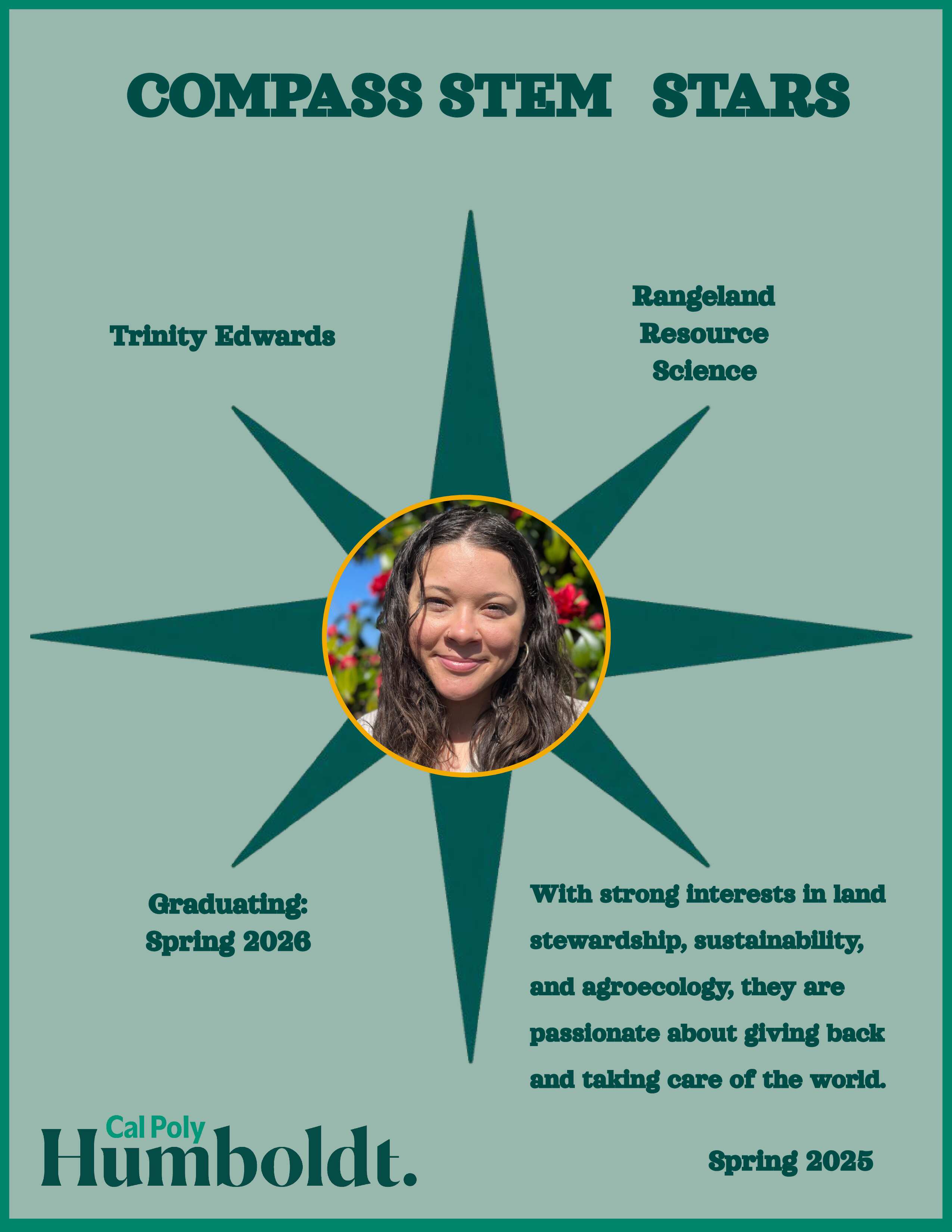
Trinity Edwards, Rangeland Resource Science, Graduating Spring 2026: Strong interests in land stewardship, sustainability, and agroecology, they are passionate about giving back and taking care of the world.
Environmental Science & Management, 2025
Alonzo Mora
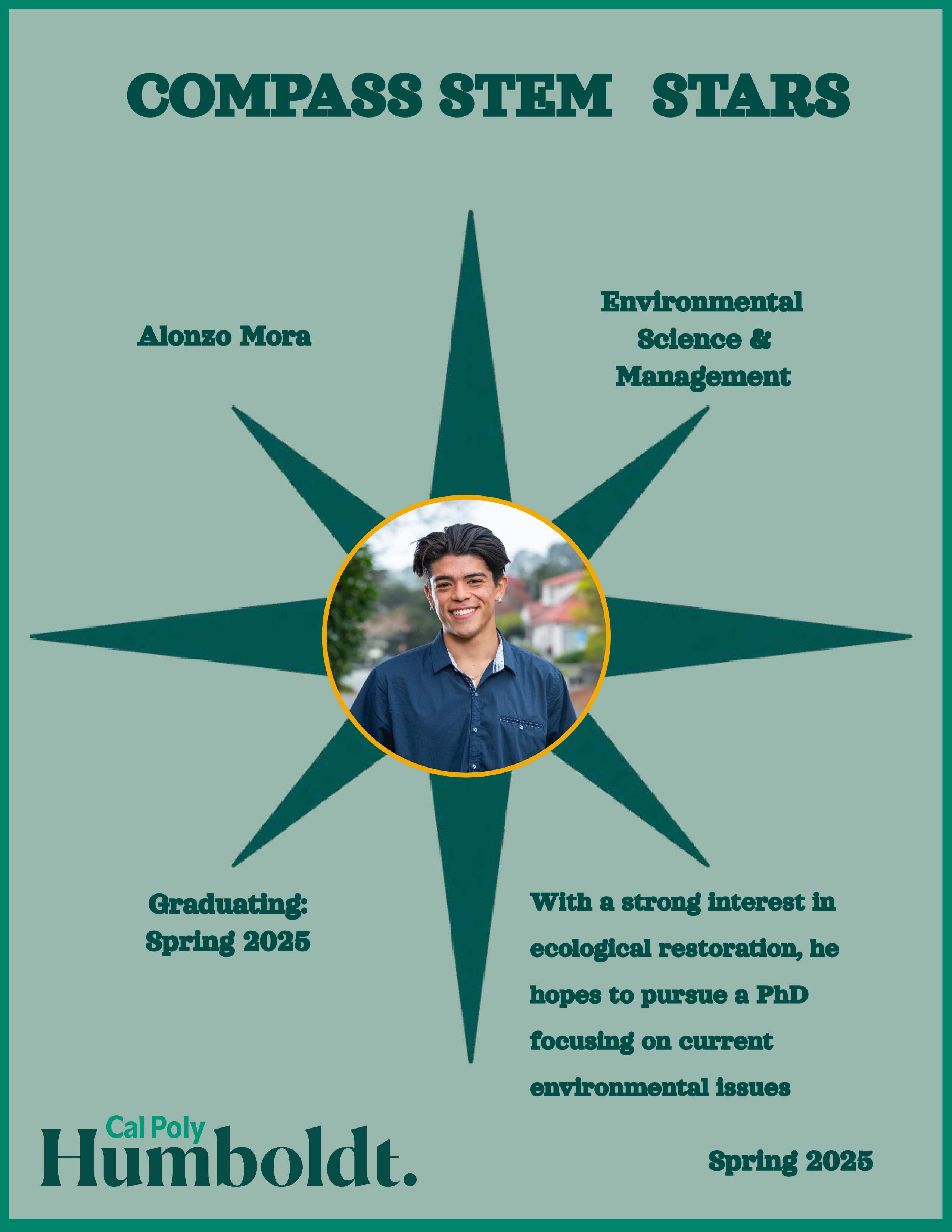
Alonzo Mora, Environmental Science & Management, Graduating Spring 2025: Strong interest in ecological restoration, he hopes to pursue a PhD focusing on current environmental issues.
Mechanical Engineering, 2027
Chloe Melendez
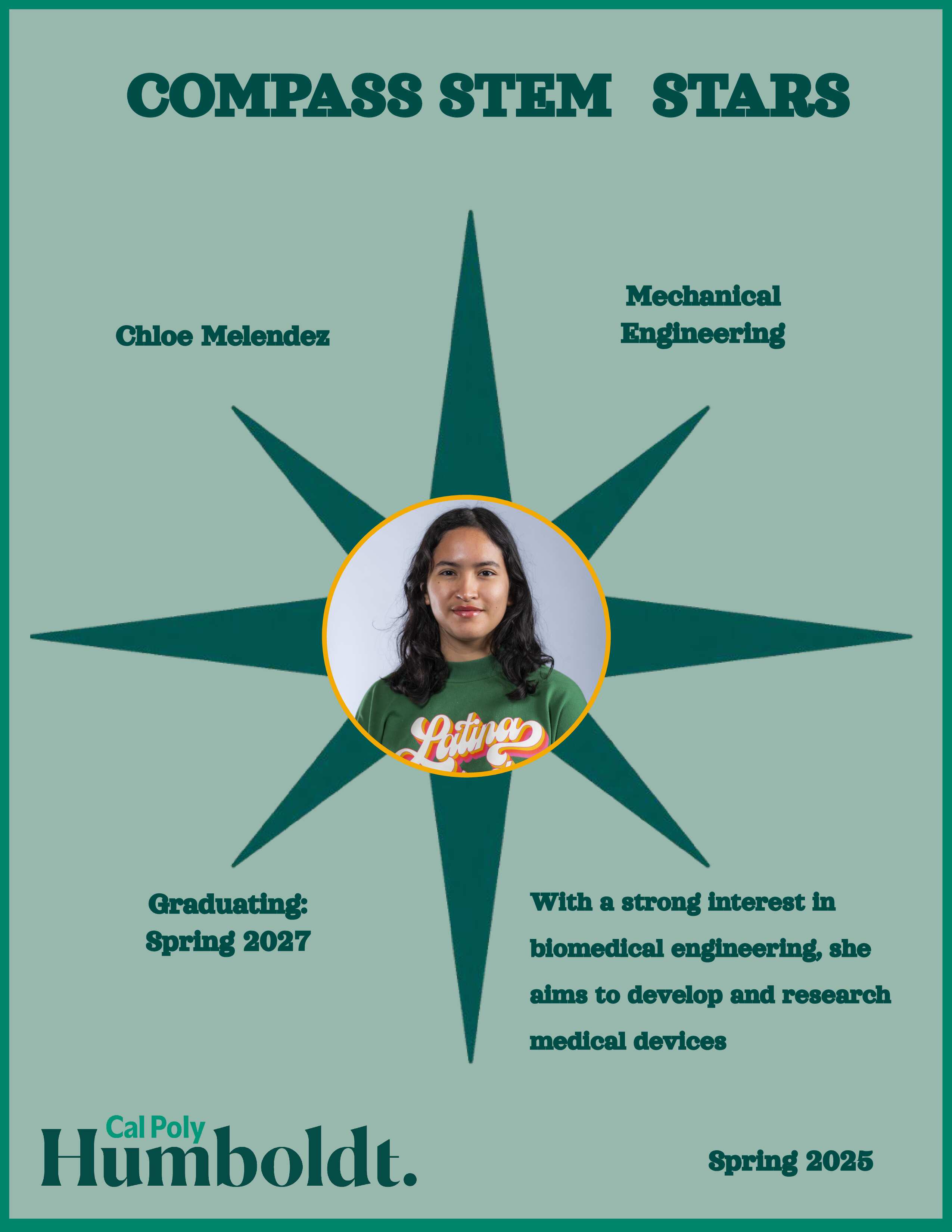
Chloe Melendez, Mechanical Engineering, Graduating Spring 2027: Strong interest in biomedical engineering, she aims to research and develop medical devices.
Wildlife Conservation and Management, 2025
Jamie Lara
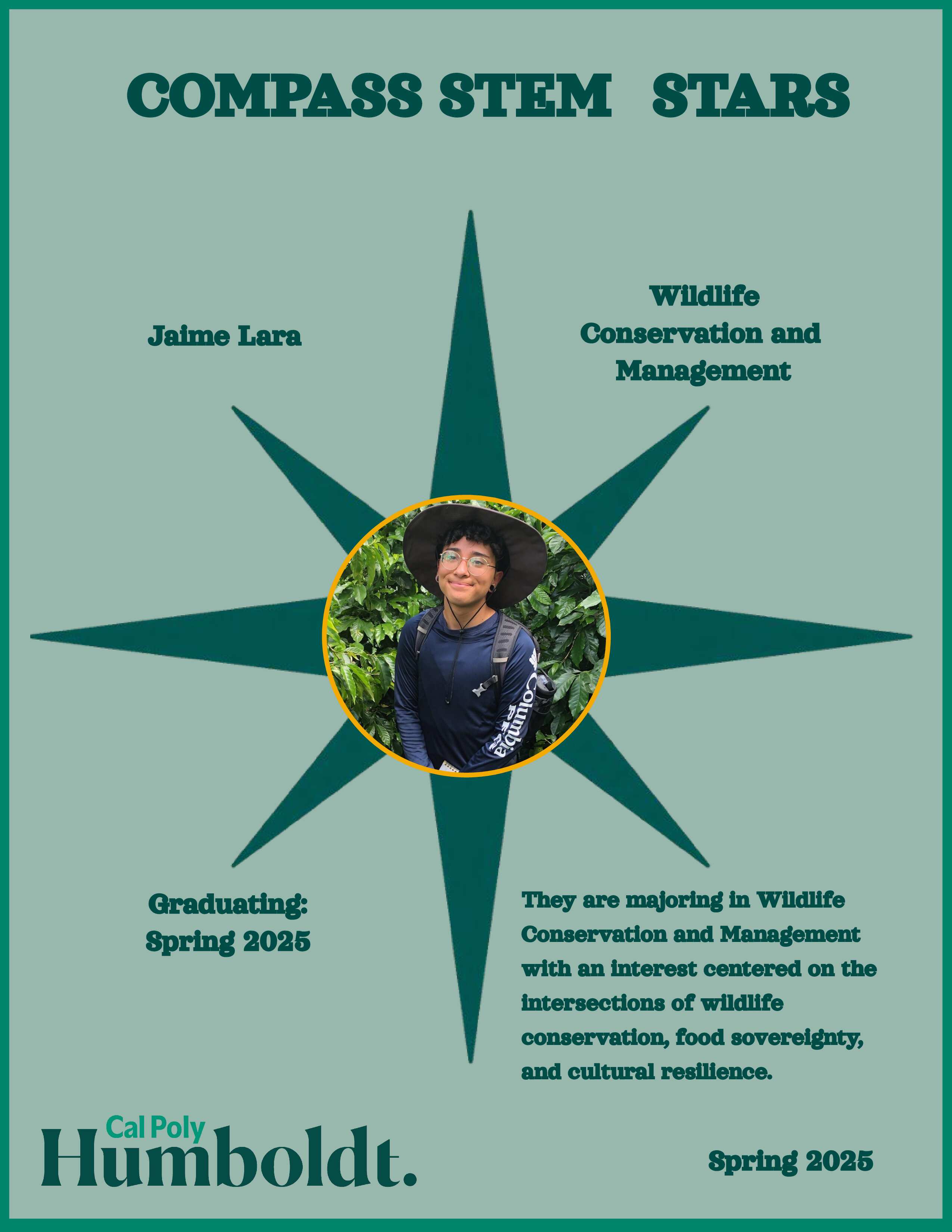
Jamie Lara, Wildlife Conservation and Management, Graduating Spring 2025: Interest centered on the intersections of wildlife conservation, food sovereignty, and cultural resilience.
Environmental Resource Engineering, 2026
Neeshelle Jaimes
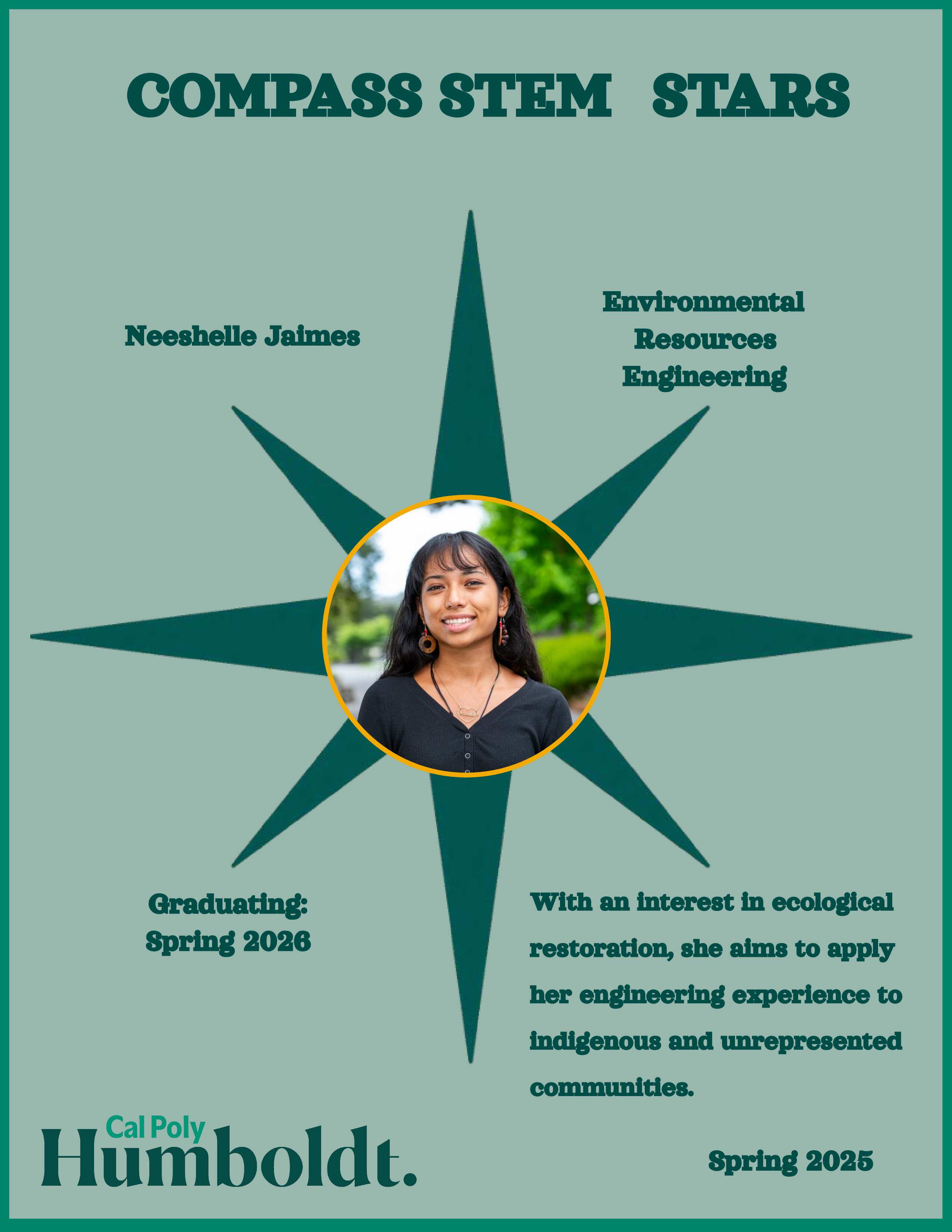
Neeshelle Jaimes, Environmental Resource Engineering, Graduating Spring 2026: With a strong interest in ecological restoration, she aims to apply her engineering experience to indigenous and unrepresented communities.
Energy Systems Engineering, 2027
Leanarda Gregordi
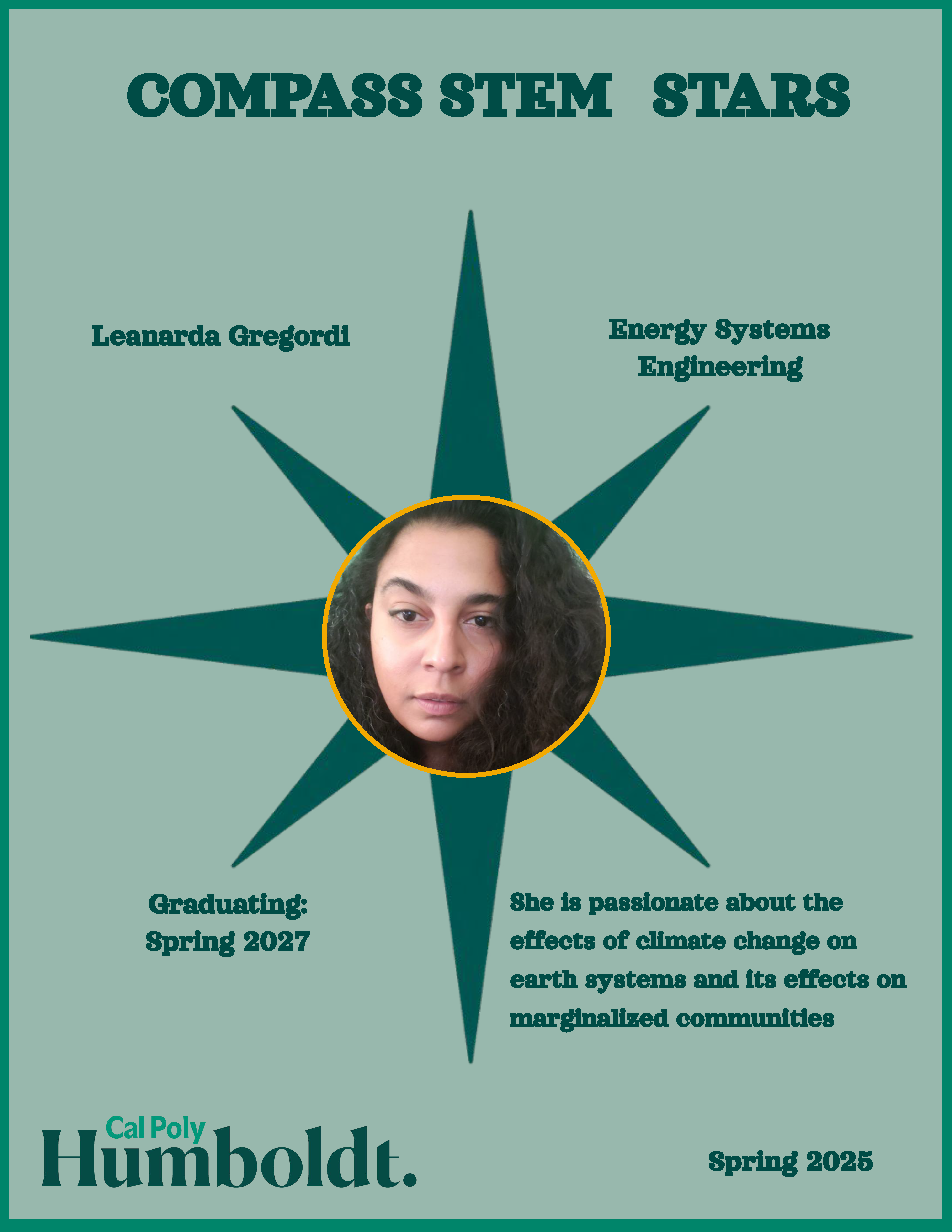
Leanarda Gregordi, Energy Systems Engineering, Graduating Spring 2027: She is passionate about the effects of climate change on earth systems and its effects on marginalized communities.
Computer Science, 2027
Enrique Lopez
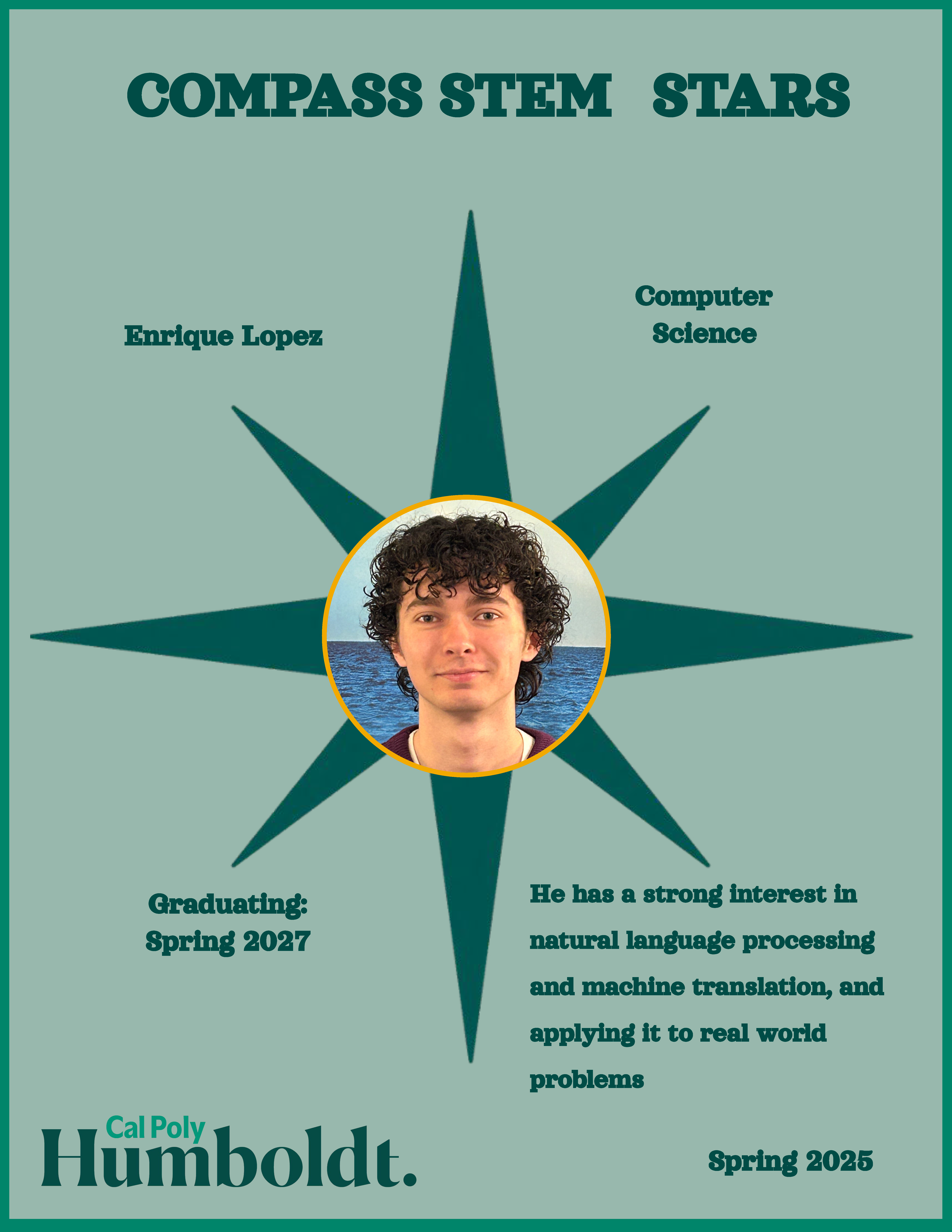
Enrique Lopez, Computer Science, Graduating Spring 2027: He has a strong interest in natural language processing and machine translation, and applying it to real world problems.
Environmental Science Management, 2025
Jimmy Carreras
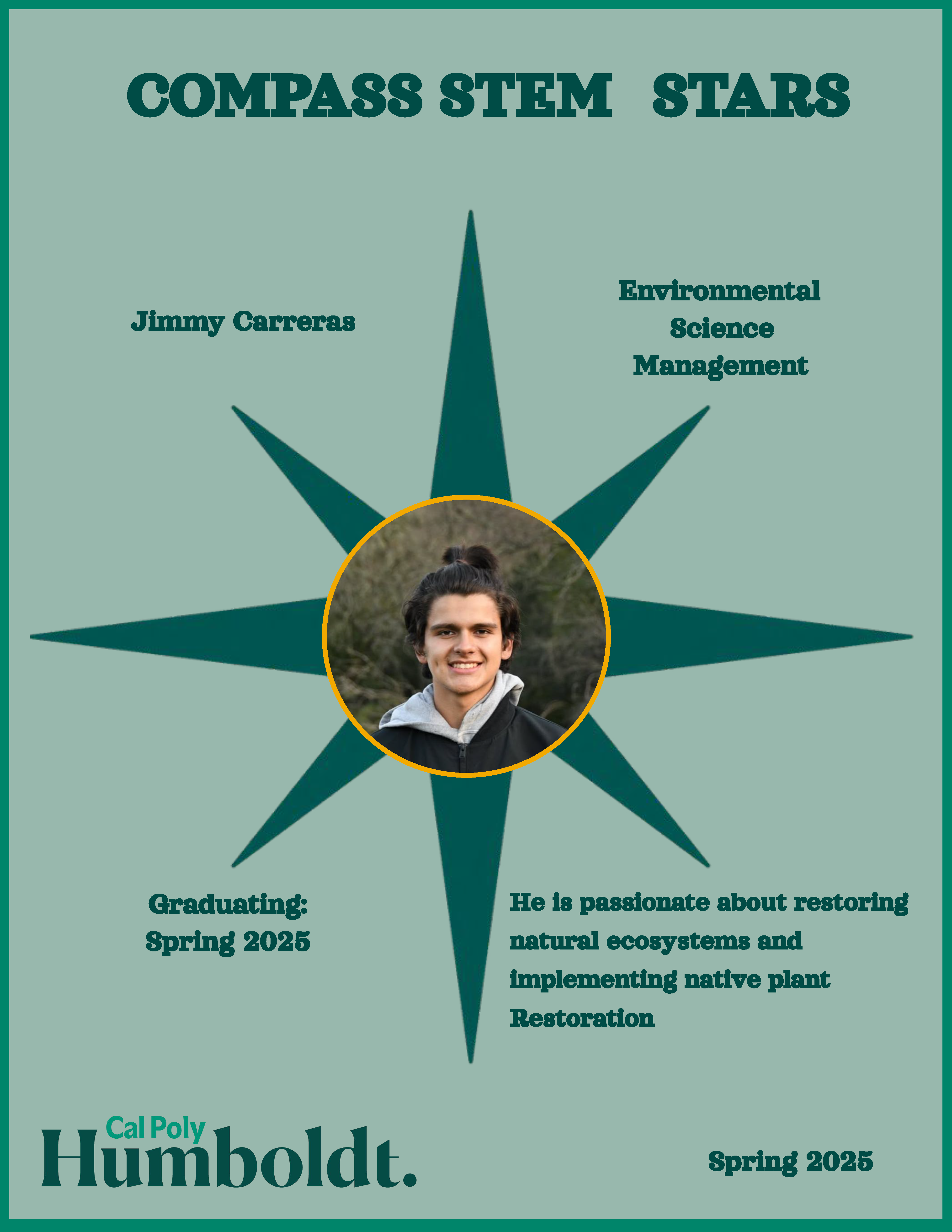
Jimmy Carreras, Environmental Science Management, Graduating Spring, 2025: He is passionate about restoring natural ecosystems and implementing native plant restoration.
Oceanography, 2025
Vanessa Pacheco
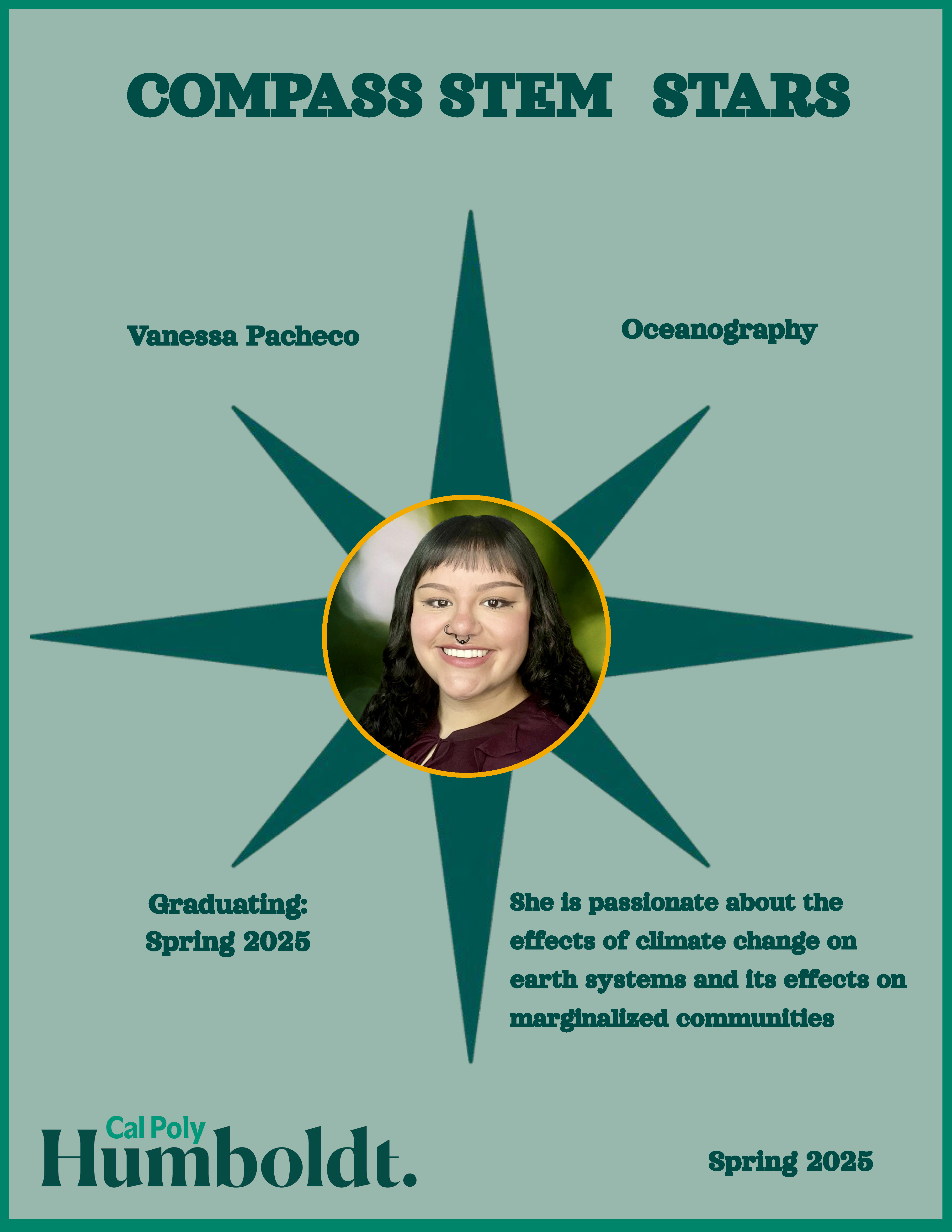
Vanessa Pacheco, Oceanography, Graduating Spring, 2025: She is passionate about the effects of climate change on earth systems and its effects on marginalized communities.
Fisheries Biology (Aquaculture), 2025
Alicia Lizarraga
Alicia Lizarraga, Fisheries Biology (Aquaculture), Graduating Spring 2025: She is passionate about marine systems, commercial production, conservation and restoration, and hopes to improve balanced marine food production.
Natural Resources (Fisheries), 2025
Raven McAdams
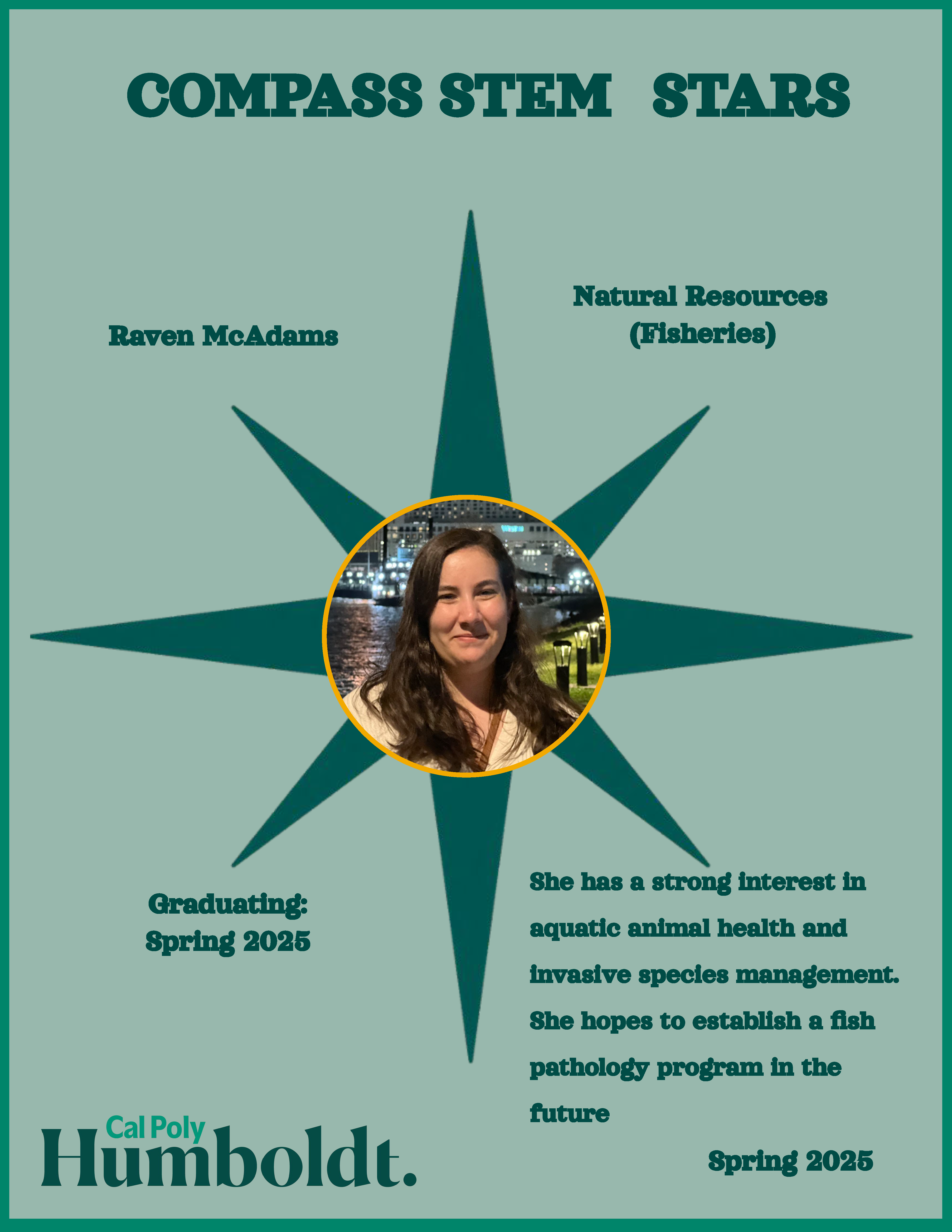
Raven McAdams, Natural Resources (Fisheries), Graduating Spring 2025: She has a strong interest in aquatic animal health and invasive species management. She hopes to establish a fish pathology program in the future.
Environmental Science Management, 2027
Isis Kees
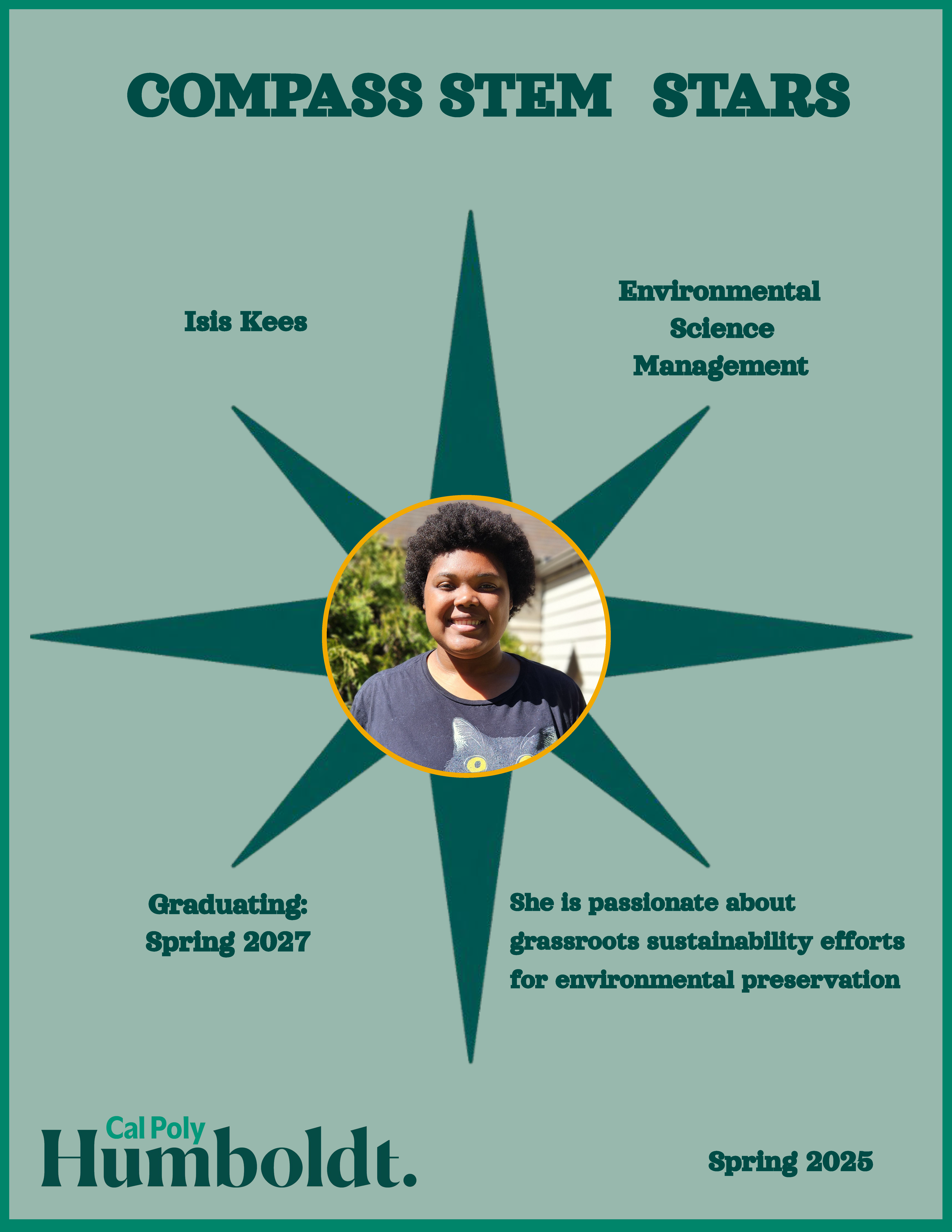
Isis Kees, Environmental Science Management, Graduating Spring 2027: She is passionate about grassroots sustainability efforts for environmental preservation.
Rangeland Resource Science, 2025
Dabid Garcia
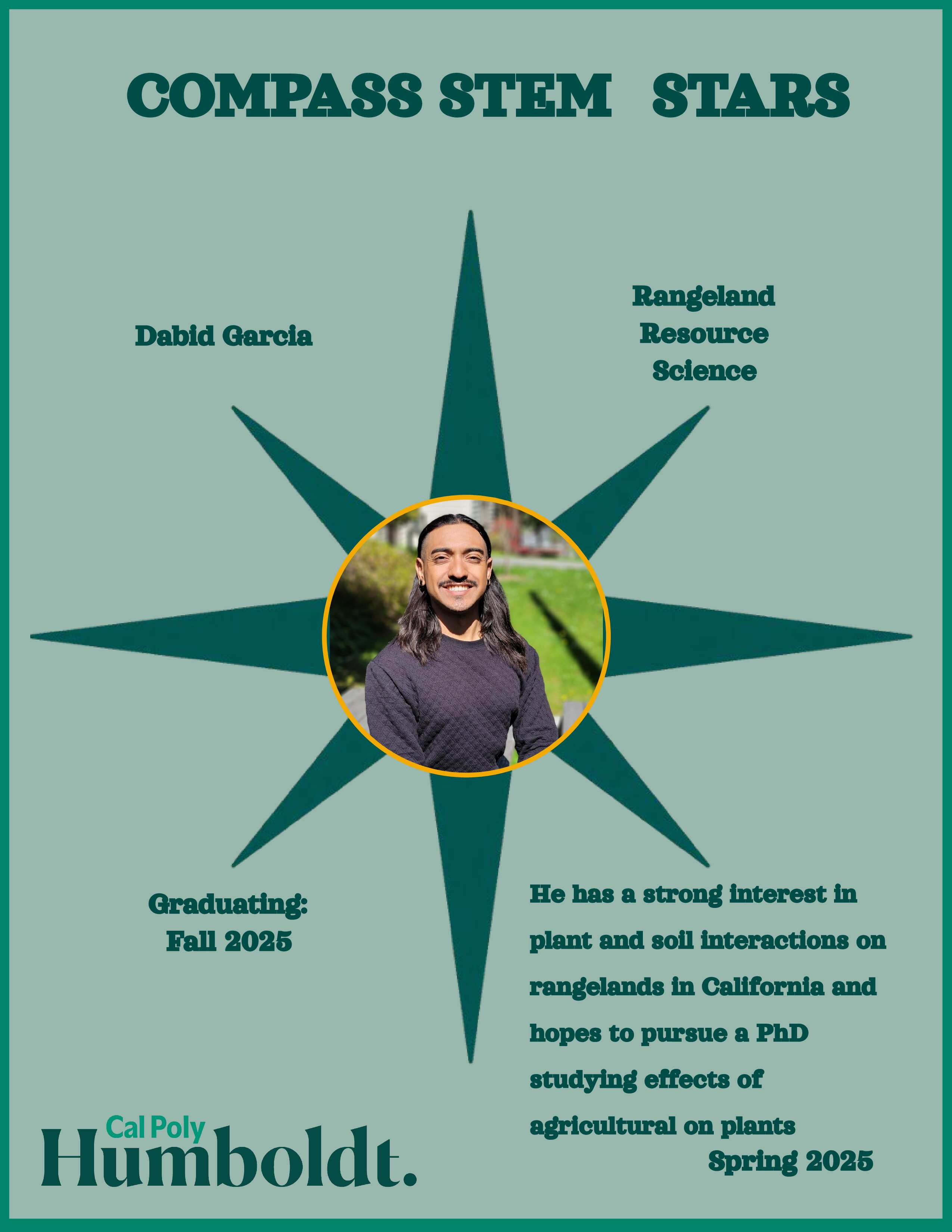
Dabid Garcia, Rangeland Resource Science, Graduating Fall 2025: He has a strong interest in plant and soil interactions on rangelands in California and hopes to pursue a PhD studying effects of agricultural on plants.
Biology, 2027
Isis Kees
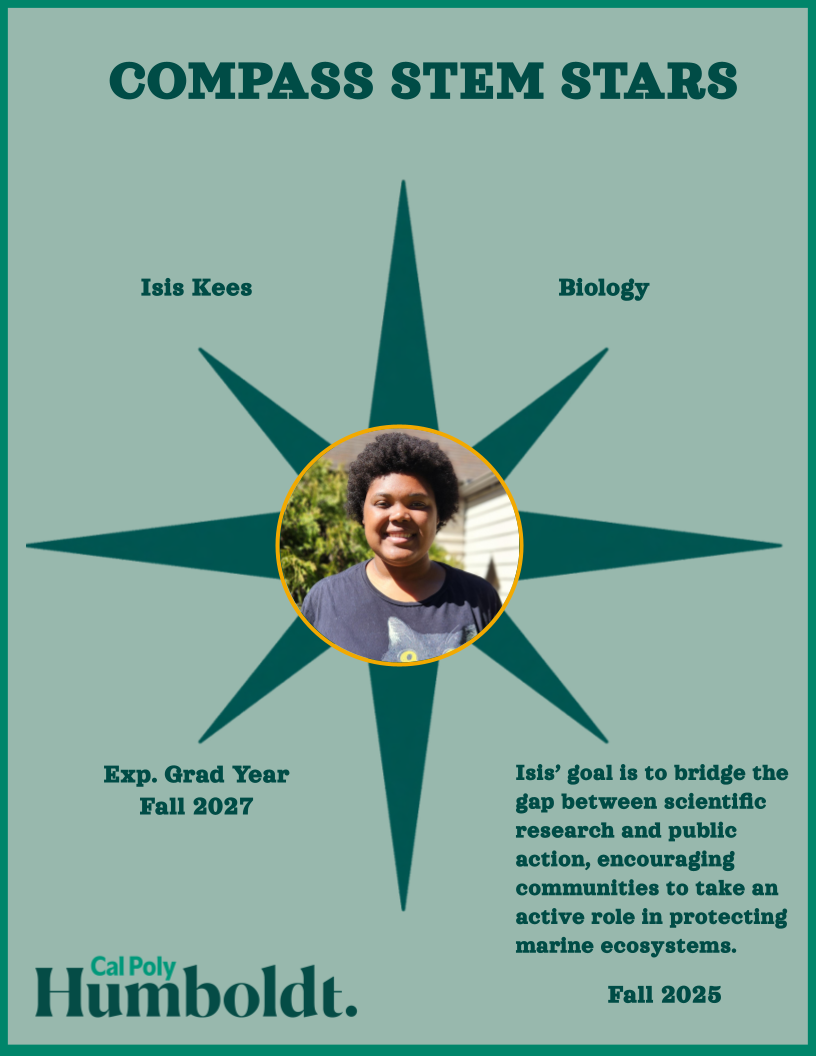
Isis’ goal is to bridge the gap between scientific research and public action, encouraging communities to take an active role in protecting marine ecosystems.
Data Science and Economics, 2027
Jonathan Juarez
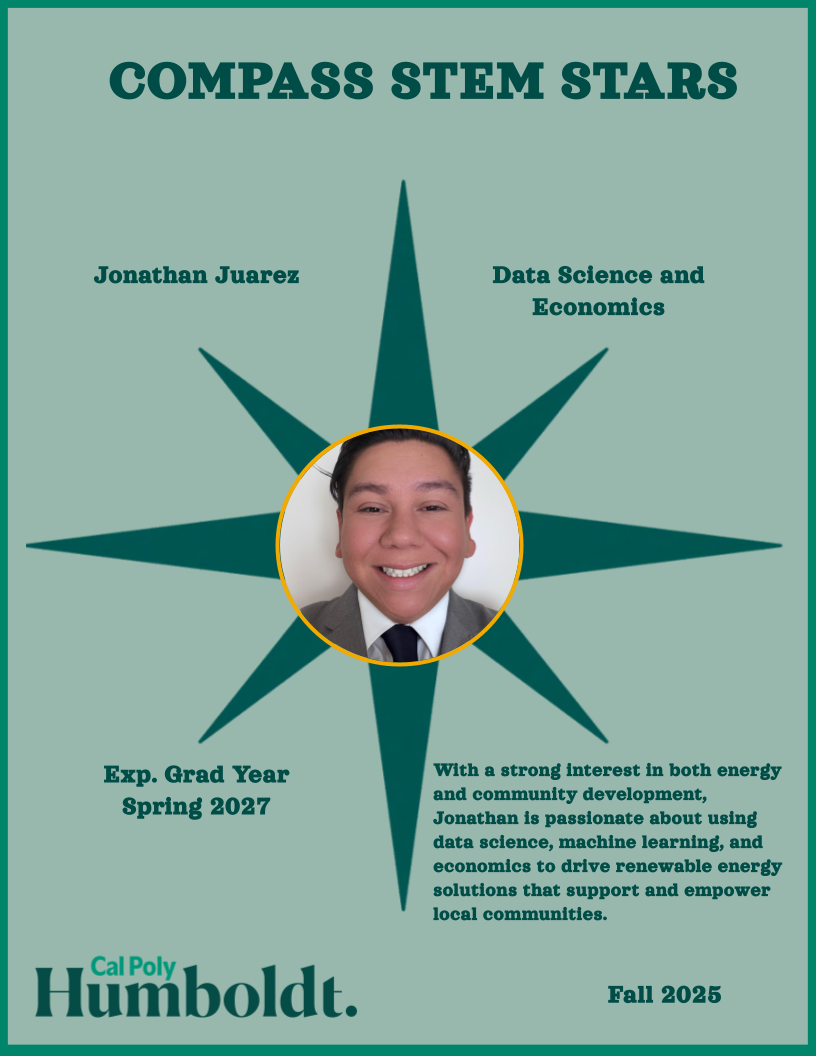
With a strong interest in both energy and community development, Jonathan is passionate about using data science, machine learning, and economics to drive renewable energy solutions that support and empower local communities.
Wildlife Management and Conservation, 2025
Andrea Cazares
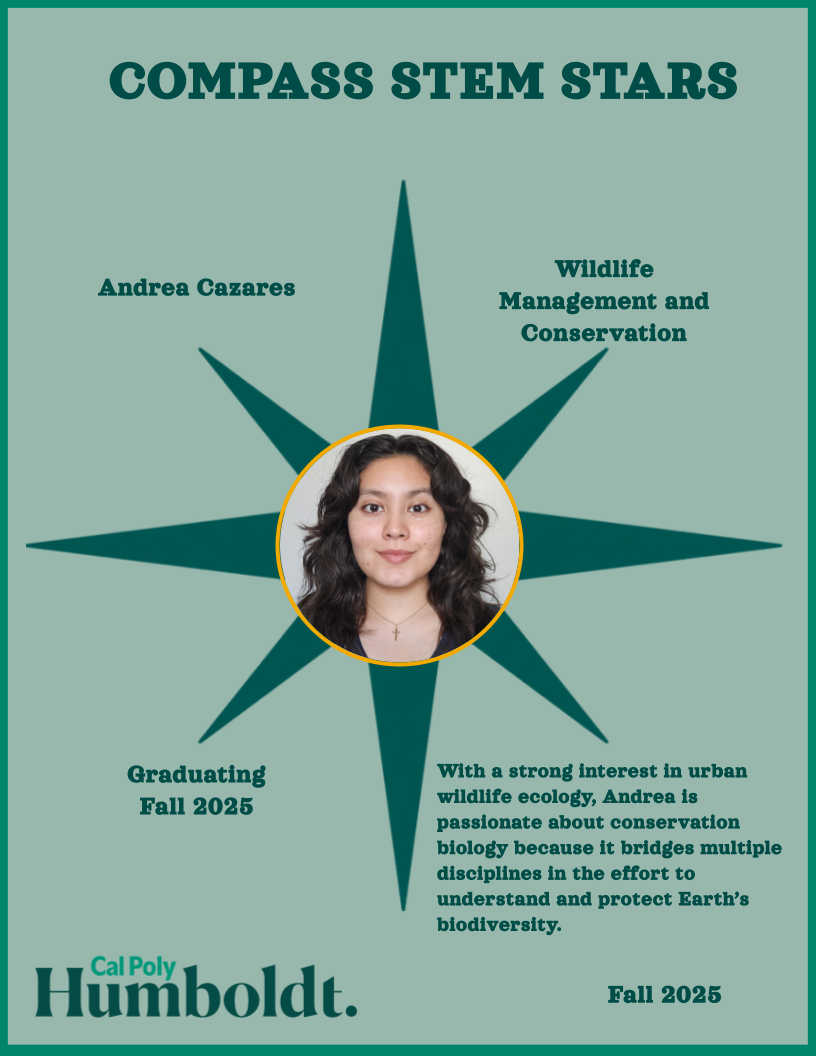
With a strong interest in urban wildlife ecology, Andrea is passionate about conservation biology because it bridges multiple disciplines in the effort to understand and protect Earth’s biodiversity.
Mechanical Engineering, 2027
Chloe Melendez
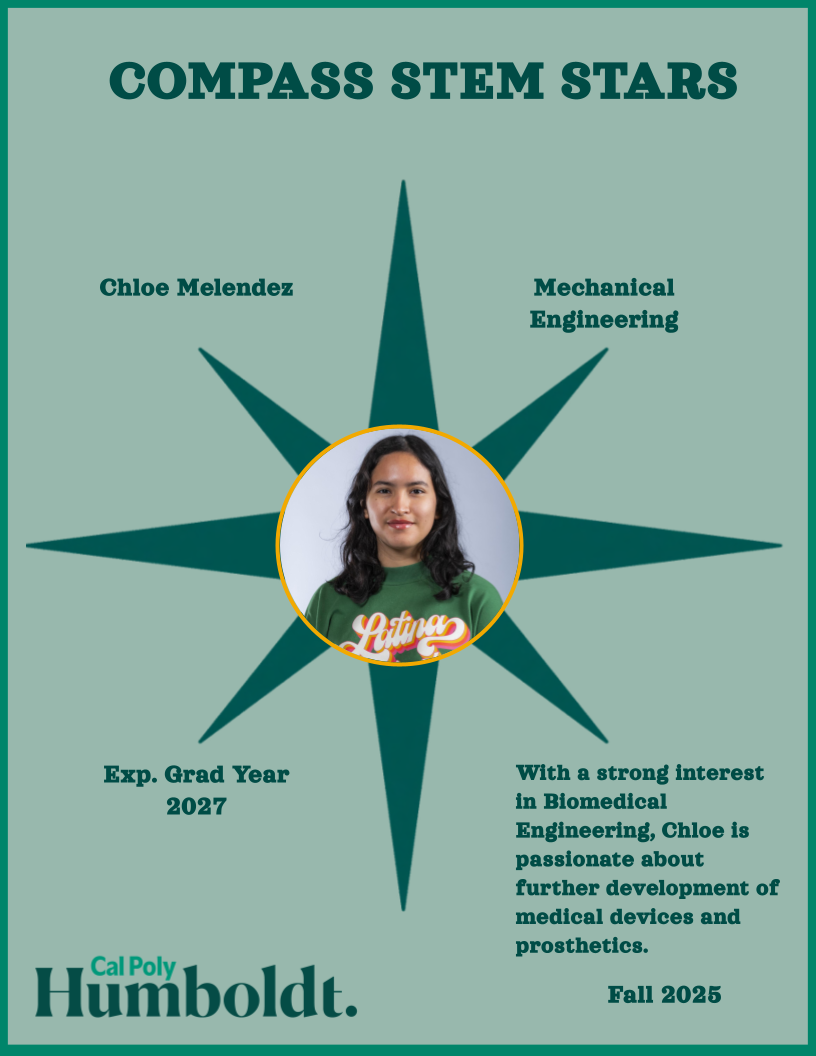
With a strong interest in Biomedical Engineering, Chloe is passionate about further development of medical devices and prosthetics.
Environmental Resources Engineering, 2026
Iris Perla
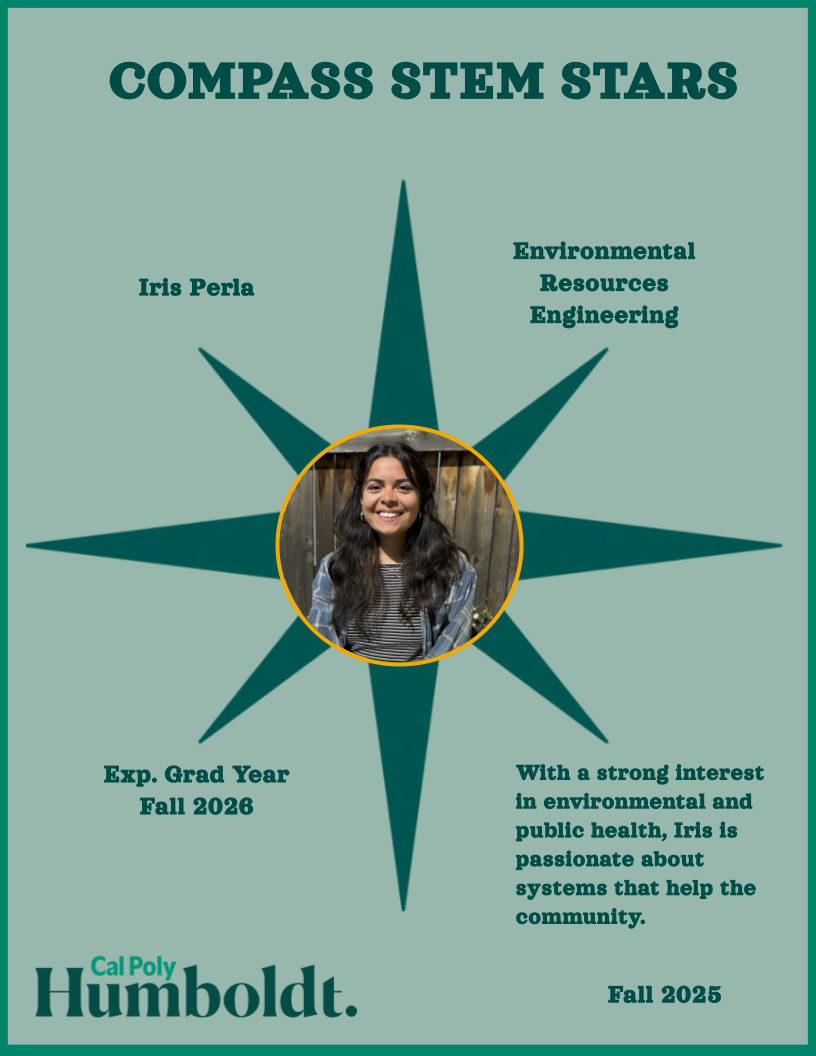
With a strong interest in environmental and public health, Iris is passionate about systems that help the community.
Wildlife Ecology, Conservation, and Management, 2025
Isamar Lopez-Argueta
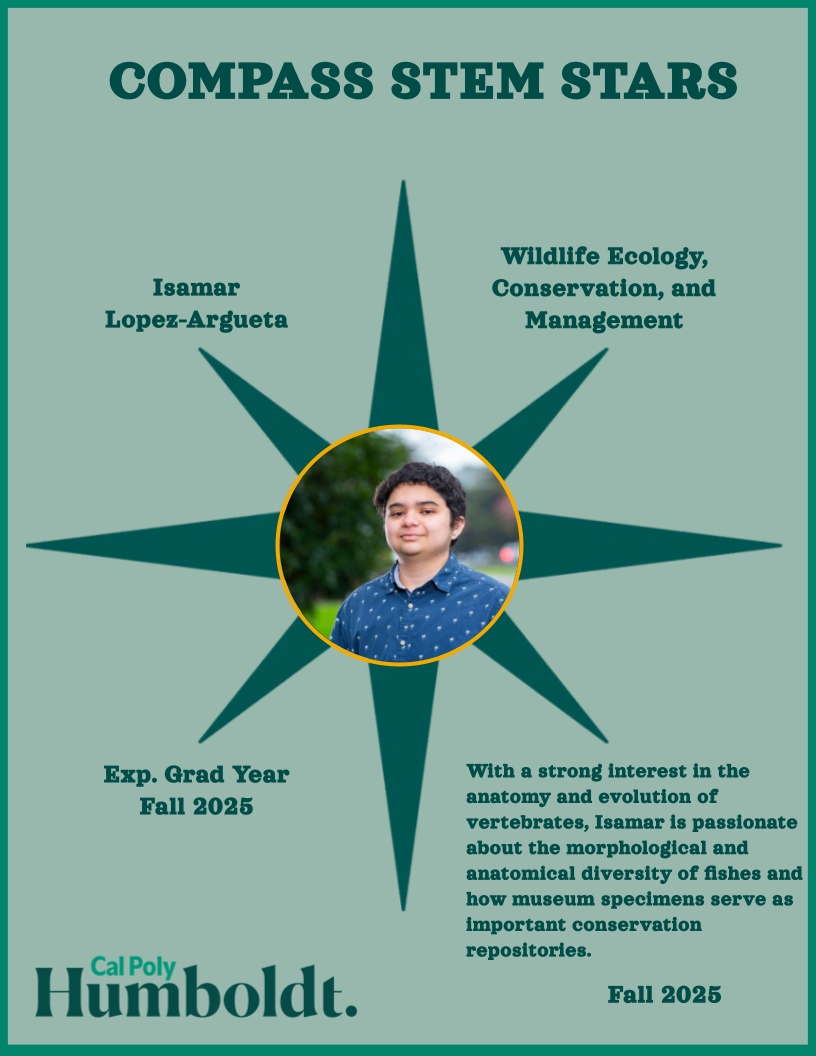
With a strong interest in the anatomy and evolution of vertebrates, Isamar is passionate about the morphological and anatomical diversity of fishes and how museum specimens serve as important conservation repositories.
Energy Systems Engineering
Leanarda Gregordi
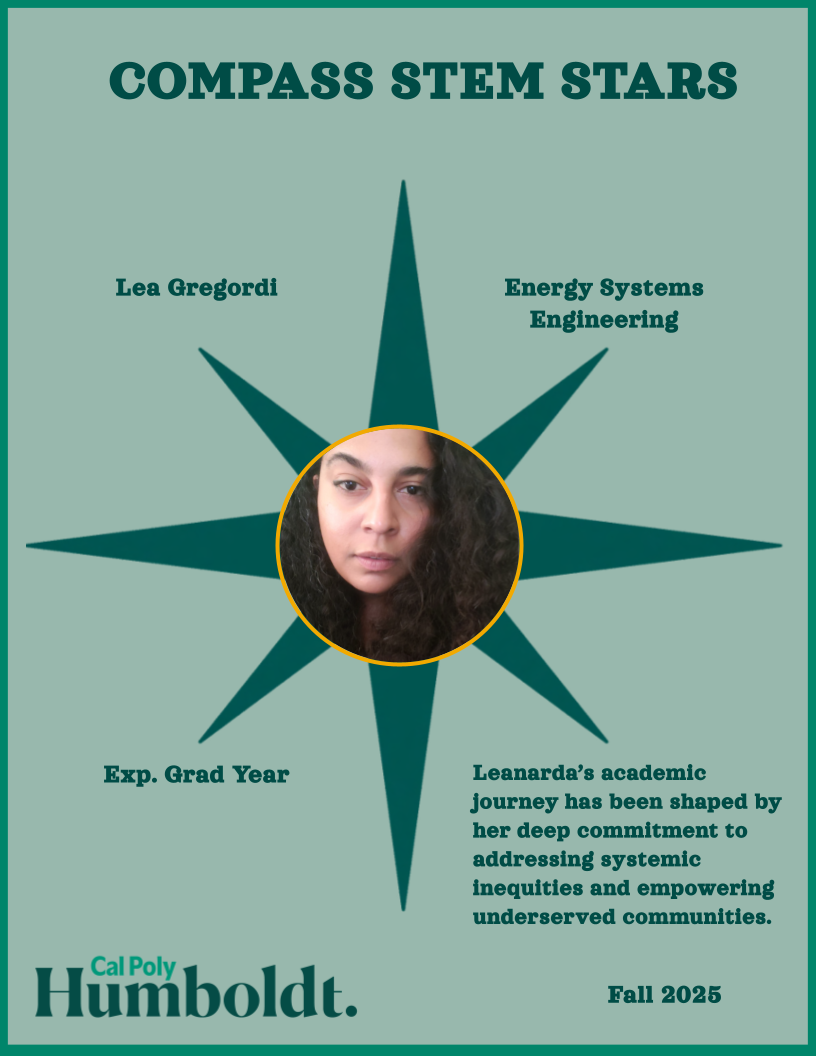
Leanarda’s academic journey has been shaped by her deep commitment to addressing systemic inequities and empowering underserved communities.
Environmental Resources Engineering
Neeshelle Jaimes
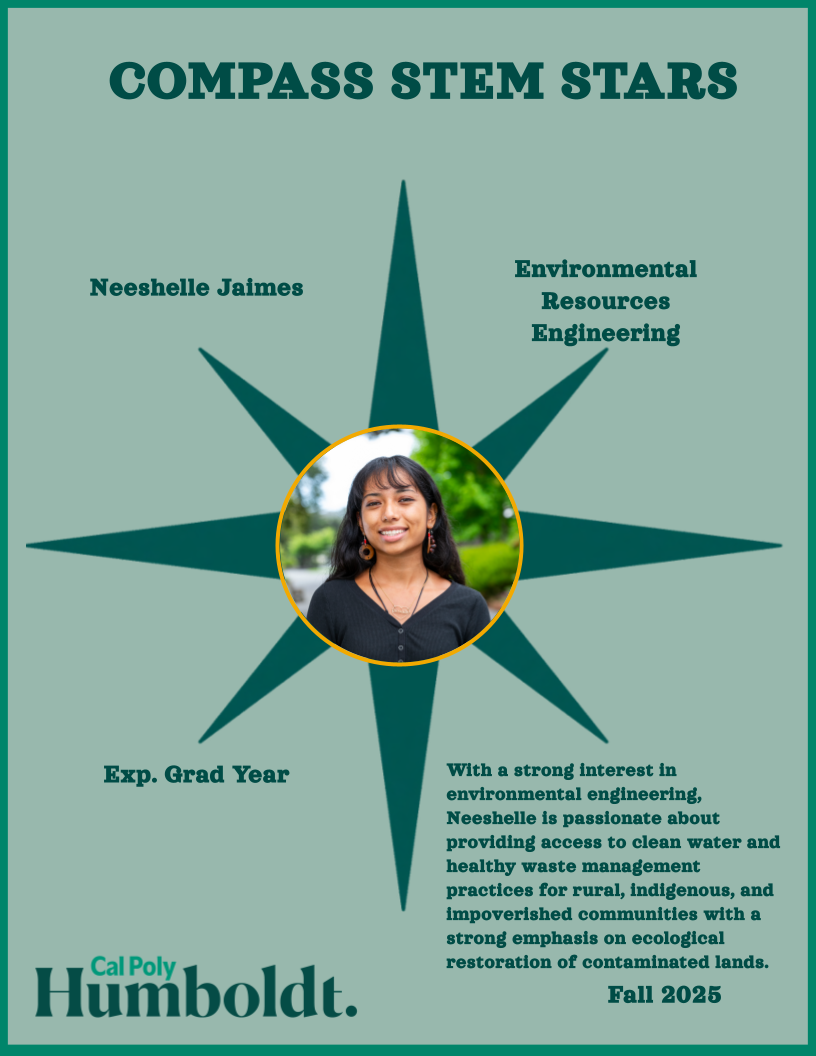
With a strong interest in environmental engineering, Neeshelle is passionate about providing access to clean water and healthy waste management practices for rural, indigenous, and impoverished communities with a strong emphasis on ecological restoration of contaminated lands.
Biology Graduate Program, 2026
Pricilla Ceja
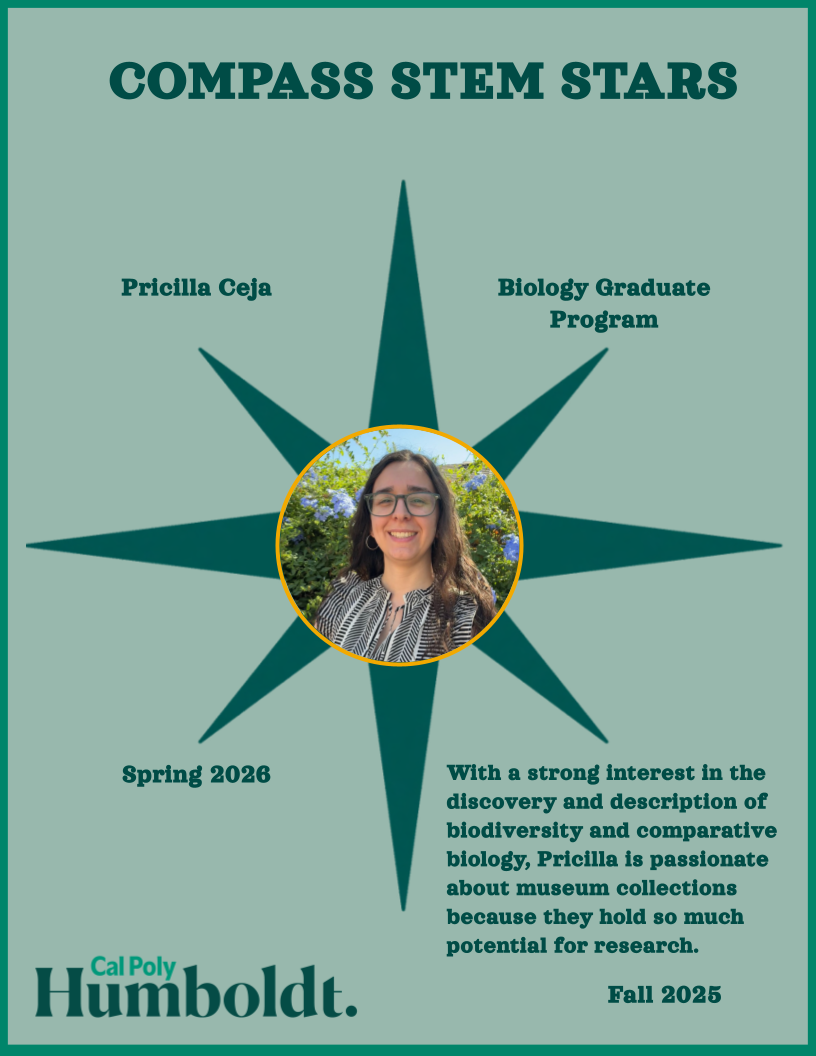
With a strong interest in the discovery and description of biodiversity and comparative biology, Pricilla is passionate about museum collections because they hold so much potential for research.
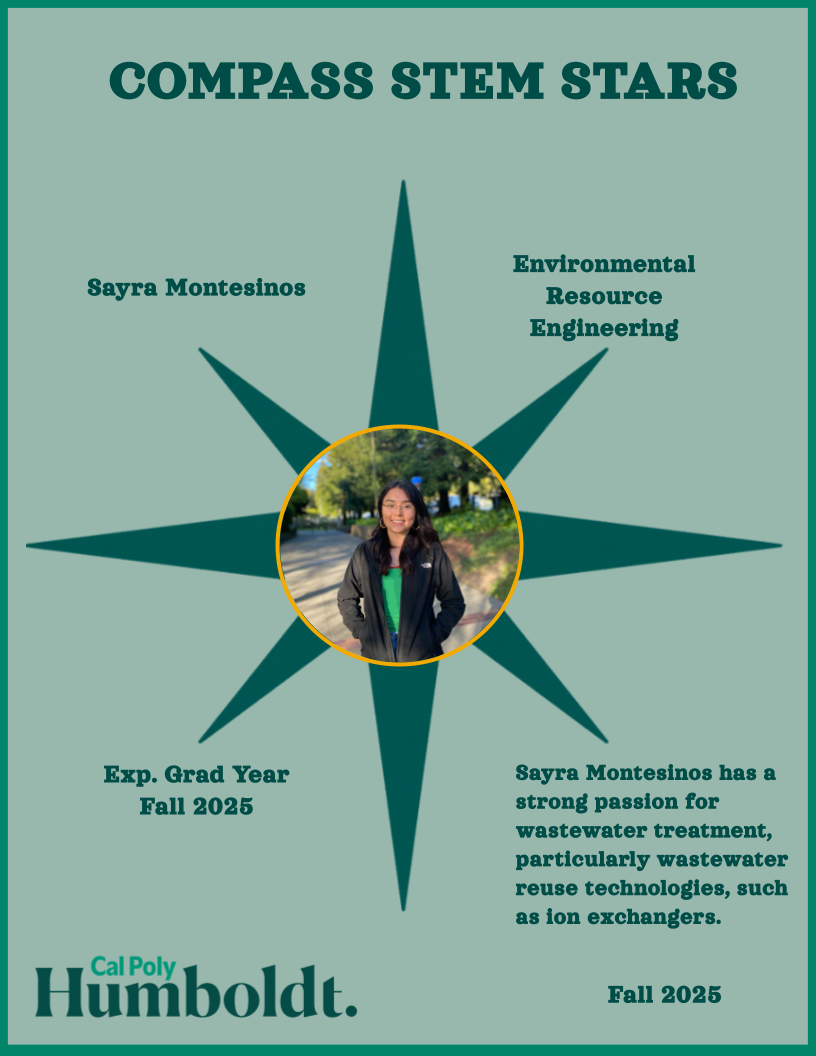
Environmental Resource Engineering, 2025
Sayra Montesinos