


Breadcrumb
Certificates & Curriculum
The Gerontology program offers a pathway of stackable certificates that build on each other.
You can begin with the Certificate of Study in Gerontology and put it to work. Then you can return to the program when you are ready, and proceed to the Advanced Certificate of Study in Gerontology Leadership, and/or the Bachelor of Professional Studies in Gerontology. Every unit you earn carries forward into the next program.
A pathway that grows with you
NOTE: Program names, requirements, and availability are subject to change. The Certificate of Study in Gerontology and the Advanced Certificate of Study in Gerontology Leadership are planned to launch in fall 2027, pending approval by the university's Integrated Curriculum Committee. The Bachelor of Professional Studies in Gerontology is planned to launch in fall 2029, pending approval by the California State University Chancellor's Office and the university's Integrated Curriculum Committee.
Certificate of Study in Gerontology
12 UNITS
Exposure and recognition — you build introductory knowledge of aging, learn to identify the issues older adults face, and develop basic skills in communication and collaboration.
Advanced Certificate of Study in Gerontology Leadership
24 UNITS
Analysis and application — you evaluate issues, apply frameworks to real situations, advocate for older adults, and practice collaborative problem-solving.
Bachelor of Professional Studies in Gerontology
90 UNITS PLANNED
Integration and leadership — you design interventions, develop policy solutions, lead collaborations, and conduct independent inquiry.
What you will learn
By completing the program, you will be able to:
- Apply major frameworks of aging to understand the lives of older adults across biological, psychological, and social dimensions.
- Recognize elder mistreatment and understand your professional reporting responsibilities.
- Help older adults and families understand what benefits and services they may be eligible for, and how to reach them.
- Assess how well a community supports healthy aging and identify where the gaps are.
- Communicate about aging issues clearly and professionally, in writing and in person.
- Lead and collaborate with others to plan, improve, and evaluate services for older adults in rural communities.
- Reflect honestly on your own attitudes toward aging and approach older adults with respect and cultural humility.
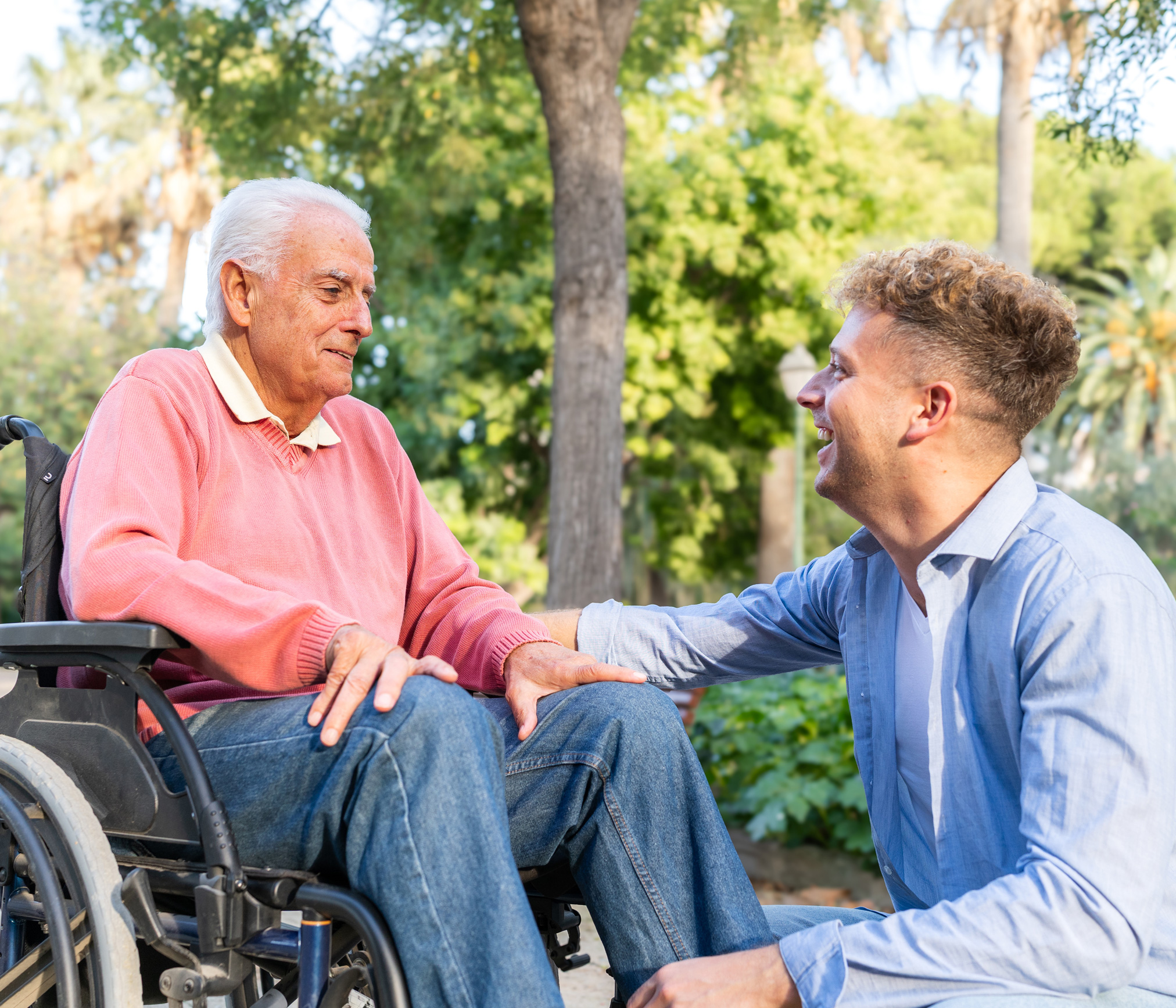
Certificate of Study in Gerontology
The Certificate of Study in Gerontology introduces you to the interdisciplinary field of aging, with an emphasis on rural communities. You will build a foundation in the biological, psychological, and social dimensions of aging, and you will apply what you learn in your own community through a documented community engagement component in every course.
This certificate is designed to stand on its own. It prepares you for work in aging services, health, and social services, and it gives working professionals a formal credential for the knowledge they use every day.
Across the four courses, you will build the practical foundation a new practitioner needs: recognizing elder mistreatment and understanding reporting duties; navigating Medicare, Medi-Cal, In-Home Supportive Services, and Older Americans Act programs; understanding end-of-life planning, including hospice eligibility, advance directives, and POLST; knowing the long-term care continuum; and understanding dementia and family caregiving.
Total units: 12. Designed to be completed in one or two academic semesters.
Prerequisites: High school diploma or equivalent.
Applicants whose first language is not English must demonstrate English proficiency by examination (TOEFL). This requirement is waived for applicants who have completed college-level English composition with a grade of C or better at a regionally accredited U.S. institution, or who hold a degree from such an institution.
Courses: Certificate of Study in Gerontology
Total units: 12. Designed to be completed in one or two academic semesters. Course sequence: GERO 301 is the gateway course and must be completed before, or taken at the same time as, any other GERO courses, except GERO 305. GERO 301 is also offered every summer. Courses are offered in rotation, so you can complete the certificate within one year of entry.
GERO 301: Foundations in Rural Gerontology
3 units
This is where the program begins. You will be introduced to the many lenses gerontology draws on and what makes aging different in rural places.
You will also build the essential knowledge every practitioner needs: professional ethics, recognizing elder mistreatment, the long-term care continuum, and the realities of dementia and family caregiving.
From the first week, you will begin an Elder Life History Interview, two conversations with an older adult in your own community that unfold across the full eight weeks. Many students find this relationship is what stays with them longest.
GERO 305: Healthy Aging & Society
3 units
This course explores the physical side of aging through a whole-person lens that includes personal, environmental, and social factors.
Over eight weeks, you will design a Healthy Aging Program Plan for a real older adult in your community, built around their goals and grounded in a walk-through assessment of the neighborhood where they live.
You will look closely at rural health access, nutrition and food access, and how health programs can be adapted to fit the cultures and circumstances of the people they serve.
GERO 305 is open to students from any major. It also meets a general education requirement — Upper Division Area 2/5: Composed of Area 2 Mathematics or Area 5: Physical or Biological Science, pending review by GEAR/ICC.
GERO 311W: Aging, Community, & Social Change
3 units
This course turns from the individual to the community. You will study the social forces and policies that shape how rural elders experience aging, and you will learn to navigate the service systems a practitioner works within every day: Medicare, Medi-Cal, In-Home Supportive Services, Older Americans Act programs, and end-of-life planning.
You will map the services and gaps in your own community and write a professional advocacy message to an agency or decision maker who could act on what you found.
This is a writing intensive course, with drafting, peer review, and revision built into the work.
GERO 321: Psychological Aspects of Aging
3 units
This course explores how thinking, emotion, memory, and well-being change across later life, and how culture, income, environment, and history shape those changes.
You will examine stereotypes about aging, the diversity of aging experiences, mental health and brain health, and what it means to age well.
You will ground this study in a consented observation visit with an older adult and create a digital poster about what aging well looks like for a population you care about.
The course also addresses conversations about end-of-life wishes and decision-making as cognition changes.
Advanced Certificate of Study in Gerontology Leadership
The Advanced Certificate of Study in Gerontology Leadership builds on the foundation of the Certificate of Study in Gerontology with coursework in end-of-life care, organizational leadership in aging services, supervised professional practice, and integrative synthesis. It prepares you for coordinator, supervisory, and program management roles in aging services, with an emphasis on rural practice.
You will complete a supervised 135-hour practicum in an aging services organization and a capstone portfolio that brings together the applied work you have done throughout the program. Across this advanced certificate of study, you will document 230 hours of community engagement and supervised field experience.

Courses: Advanced Certificate of Study in Gerontology Leadership
Total units: 24, including the 12 units of the Certificate of Study in Gerontology. Designed to be completed in one or two academic years. Course sequence: GERO 301 is the gateway course and must be completed before, or taken at the same time as, all other GERO coursework. GERO 455S requires successful completion of GERO 301, 305, 311W, and 321, and instructor approval. GERO 471 requires completion of, or enrollment at the same time in, any other required GERO courses.
GERO 441: Thanatology, Death & Dying
3 units
This course considers how individuals and communities across cultures and faith traditions have understood dying, grief, and what comes after.
You will reflect on your own experiences with loss and mortality and bring them into conversation with literature, philosophy, and religious thought.
You will also interview a working end-of-life care professional in your community, such as a hospice nurse, chaplain, or bereavement counselor, and bring that practitioner's voice into your final work.
GERO 451: Leadership in Aging
3 units
This course prepares you to lead. You will study organizational leadership, workforce development, program planning and evaluation, policy advocacy, and how to work across county, state, health system, and tribal lines.
Leadership in a two-person rural senior services office looks very different from leadership in a large urban agency, and this course takes that difference seriously.
You will analyze a real aging services organization and write a professional assessment with a recommendation its leadership could act on.
GERO 455S: Professional Practicum in Gerontology
3 units
This is your bridge from study to practice. Over eight weeks, you will complete 135 hours with an aging services organization or community program, under faculty and on-site supervision.
Each placement is built as a partnership: your learning goals and a need the site has identified are both part of the agreement.
You will build a portfolio of evidence showing the professional competencies you have developed. This course is designated Service Learning.
GERO 471: Capstone in Gerontology
3 units
In your final course, you return to the older adult you met in your first week of GERO 301, now with the whole program behind you.
You will revise and bring together your work from every course into one professional portfolio that tells the story of aging in your community: how it serves or falls short of the people growing old there, and what you would change.
You will present your portfolio to faculty, peers, and, where possible, a community partner.
Sample Certificate Completion Plans
Each 16-week semester has two eight-week sessions. Session 1 covers the first half of the semester and Session 2 covers the second half. You can take one or two courses per session.
The Certificate of Study in Gerontology is made up of the first four courses. The Advanced Certificate of Study in Gerontology Leadership adds four more, and every certificate course counts toward it.
Accelerated pace: Two courses per session
Finish the Certificate of Study in Gerontology in one semester and the Advanced Certificate of Study in Gerontology Leadership in one academic year.
Fall semester: Certificate of Study in Gerontology
- Session 1: GERO 301, Foundations in Rural Gerontology, and GERO 321, Psychological Aspects of Aging
- Session 2: GERO 311W, Aging, Community, and Social Change, and GERO 305, Healthy Aging and Society
Spring semester: Advanced Certificate of Study in Gerontology Leadership
- Session 1: GERO 441, Thanatology: Death and Dying, and GERO 451, Leadership in Aging
- Session 2: GERO 455S, Professional Practicum in Gerontology, and GERO 471, Capstone in Gerontology
The final session combines the 135-hour practicum with the capstone, so plan for a full schedule during those eight weeks.
Standard pace: One course per session
Finish the Certificate of Study in Gerontology in one academic year and the Advanced Certificate of Study in Gerontology Leadership in two academic years.
Year 1: Certificate of Study in Gerontology
- Fall, Session 1: GERO 301, Foundations in Rural Gerontology
- Fall, Session 2: GERO 311W, Aging, Community, and Social Change
- Spring, Session 1: GERO 321, Psychological Aspects of Aging
- Spring, Session 2: GERO 305, Healthy Aging and Society
Year 2: Advanced Certificate of Study in Gerontology Leadership
- Fall, Session 1: GERO 441, Thanatology: Death and Dying
- Fall, Session 2: GERO 455S, Professional Practicum in Gerontology
- Spring, Session 1: GERO 451, Leadership in Aging
- Spring, Session 2: GERO 471, Capstone in Gerontology
You can also begin in spring, or start with GERO 301 in the summer. An advisor can help you choose a pace that fits your work and family commitments.

Learning in your own community
Every course includes a signature assignment with a community engagement component. These assignments are where the coursework becomes personal. They connect you with the older adults, families, and providers in the place where you live, and each one builds on the last. In the capstone, you bring them together into a single professional portfolio.
- GERO 301, Elder Life History Interview: 20 hours
- GERO 305, Healthy Aging Program Plan with Community Environment Audit: 15 hours
- GERO 311W, Community Aging Readiness Scan and Advocacy Communication: 15 hours
- GERO 321, Aging Well Population Poster with Elder Observation: 10 hours
- GERO 441, Death and Dying Autobiography with End-of-Life Practitioner Interview: 10 hours
- GERO 451, Aging Organization Leadership Analysis: 25 hours
- GERO 455S, Practicum Competency Portfolio: 135 hours
- GERO 471, Integrative Professional Portfolio: brings together the work of the full program
Certificate of Study in Gerontology students document 60 hours. Advanced Certificate of Study in Gerontology Leadership students document 230 hours.
Outside the practicum, no formal placement contracts are required. The program provides interview guides, consent forms, and an ethics and community engagement readiness module to prepare you before you reach out to anyone.
Looking Ahead: Bachelor of Professional Studies in Gerontology
The Bachelor of Professional Studies in Gerontology is a planned degree completion program for adults who have already earned a minimum of 60 CSU-transferable college units, often through community college, and want to finish a bachelor's degree in a field with real need in their communities.
The degree totals 90 units: a minimum of 60 CSU-transferable units, the eight GERO courses (24 units), and two upper-division general education courses. Because all 24 units of the certificates apply toward the degree, students who begin with a certificate will already be well on their way to earning their bachelor's degree.
The degree is planned to launch in fall 2029, pending approval by the California State University Chancellor's Office and the university's Integrated Curriculum Committee.
If you are interested, please request information and we will keep you informed as the degree moves forward.