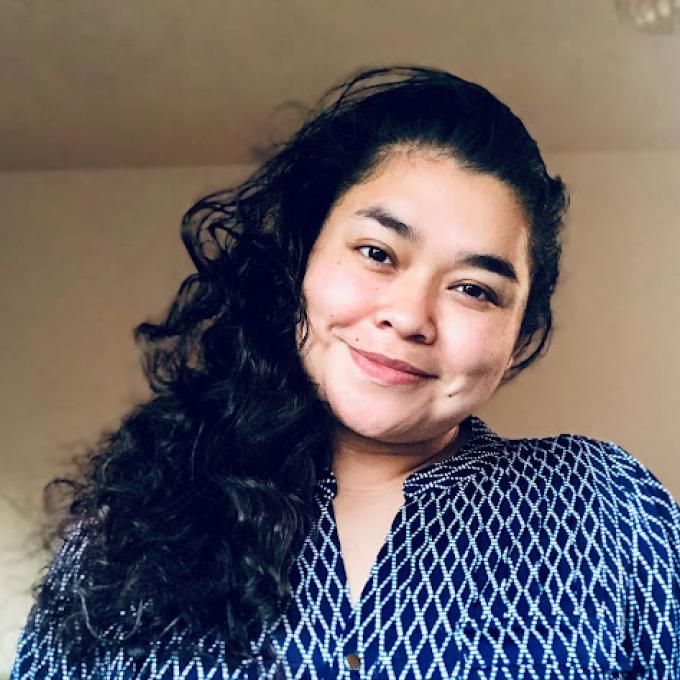
Samantha Webb
Breadcrumb
Advisor
Frank FogartySamantha Webb,
Thesis:Oak obligate breeding birds responses to oak restoration efforts
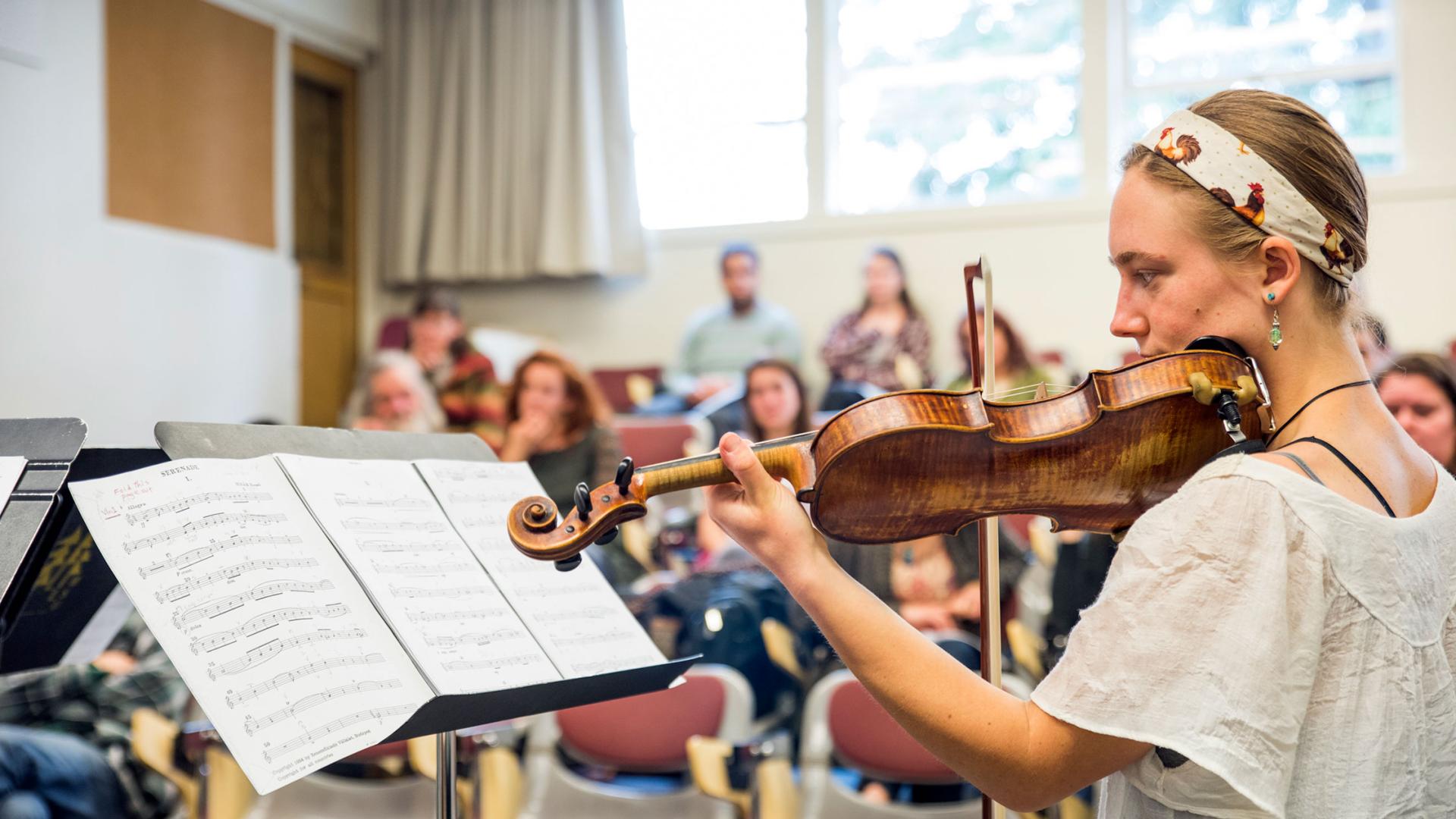
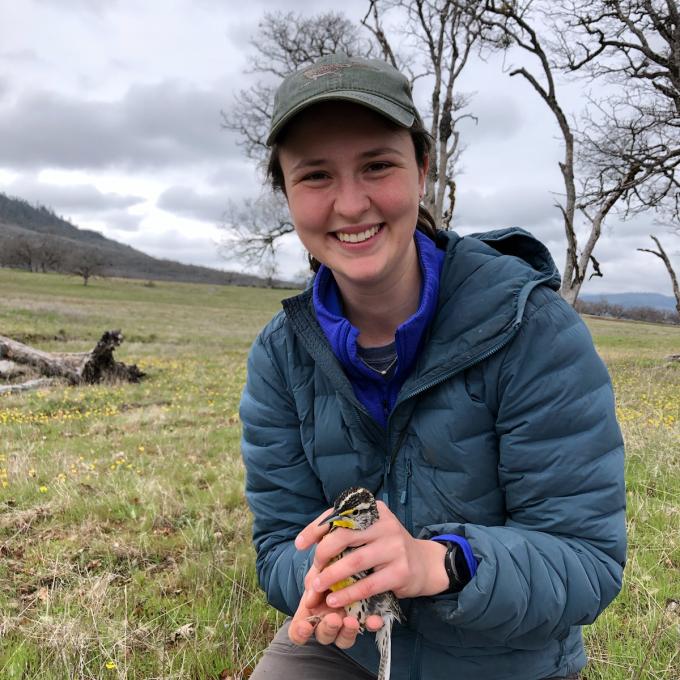
Hello! I grew up in Portland, Oregon, and received my B.S. in Biology from Portland State University in 2020. Since then, I’ve lived across the country pursuing various bird-related field jobs including working with Golden-cheeked Warblers in southern Texas, Nelson’s Sparrows in Maine, and migratory birds on Southeast Farallon Island. After working several years for Klamath Bird Observatory in southern Oregon I developed an interest in understanding how oak obligate breeding birds respond to restoration efforts in the Rogue Valley. I am interested in the reproductive success, productivity, and density of White-breasted Nuthatch, Western Bluebird, Oak Titmouse, and Ash-throated Flycatcher in restored and unrestored oak woodlands and the role of restoration in oak obligate breeding birds population dynamics.
Amida Verhey
Breadcrumb
Advisor
Ho Yi WanAmida Verhey, 2026
Thesis:Impacts of the Dixie Fire on Mammalian Carnivore Interactions
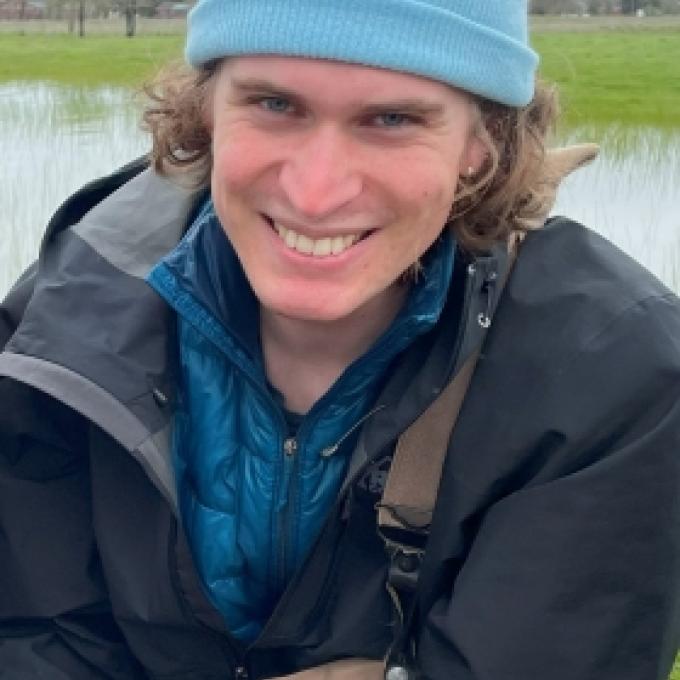
Amida (Ami) grew up in Lake County, CA, and graduated from UC Davis with a B.S. in Environmental Science and Management (concentration in Ecology, Biodiversity, and Conservation). During his time there, he researched the impacts of urban development and interference competition of coyotes on gray fox space use in the Santa Monica Mountains. Prior to starting his M.S. at Cal Poly Humboldt, he worked for the California Department of Fish and Wildlife in Lake and Streambed Alteration permitting in the Bay Area and Greater Los Angeles. His thesis research will examine the impacts of the Dixie Fire on interactions between mammalian carnivores in Lassen National Forest to uncover mechanisms that drive wildlife responses to fire. During his free time, he likes to stroll through nature, mix music, eat delicious food, and play games with friends.
D. Mac Wilson
Breadcrumb
Advisor
Matthew JohnsonD. Mac Wilson, 2026
Thesis:Bird, bee, and bat community composition on licensed cannabis farms in Humboldt County, California and responses to hedgerow habitat enhancements
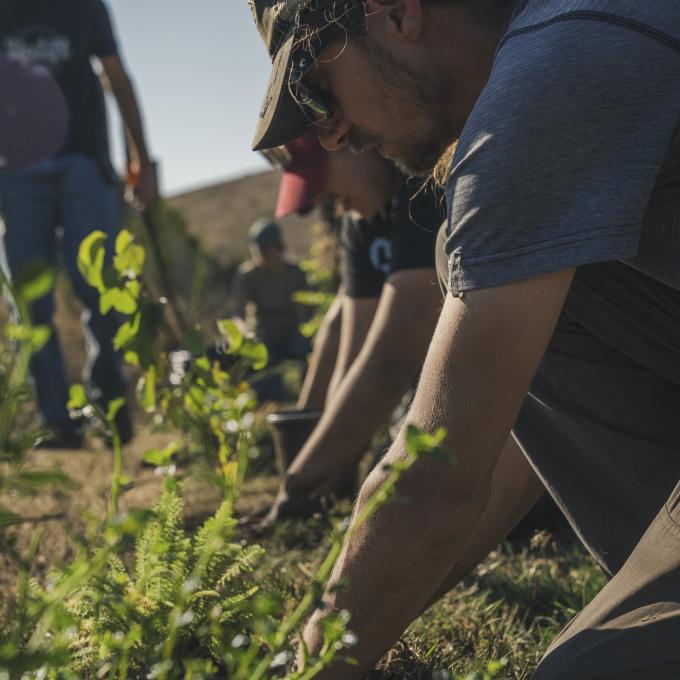
I graduated from Rhodes College in Memphis, TN in 2017, and later worked on several wildlife projects, gaining interest in wildlife and working landscape in general, and the impacts of cannabis cultivation in particular. I joined the lab in 2022, and I am interested incorporating more community ecology and additional taxa (especially bees and bats) into group's research. Collaborating with farmers and the NGO Cannabis for Conservation, I'll be examining how these taxa respond to wildlife enhancements installed on small-scale sustainable cannabis farms in the Emerald Triangle.
Lauren Jackson
Breadcrumb
Advisor
Matthew JohnsonLauren Jackson, 2026
Thesis:
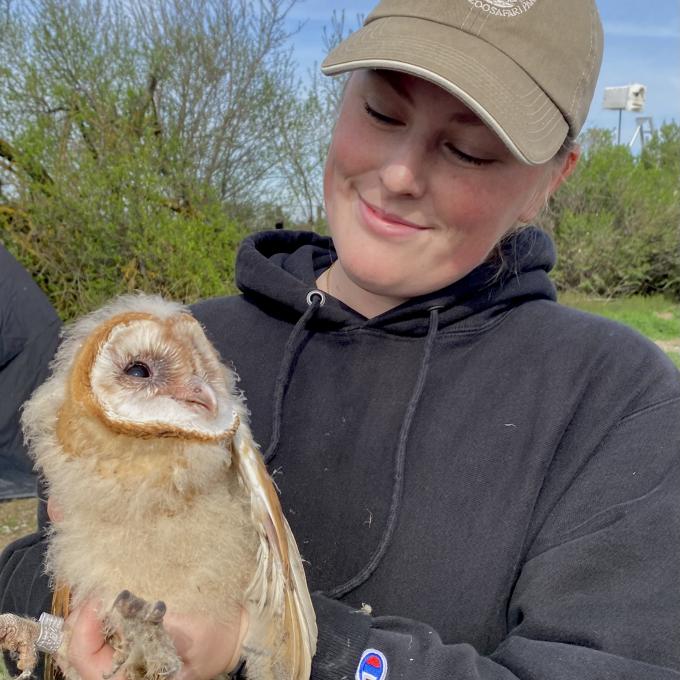
Lauren is from Central Oregon, where she originally found her passion for wildlife and exploring the outdoors. She developed a love for ornithology and avian research during her undergraduate studies at McGill University, and has continued to work with birds ever since. Her master’s thesis work was based in Central California, and focused on investigating the effects of personality and individual movement strategies on ecosystem service potential provided by barn owls in winegrape vineyards. Outside of work, Lauren enjoys spending time outdoors, birding, creating art, or relaxing with a good book.
Deirdre Replinger
Breadcrumb
Advisor
Ho Yi WanDeirdre Replinger, 2026
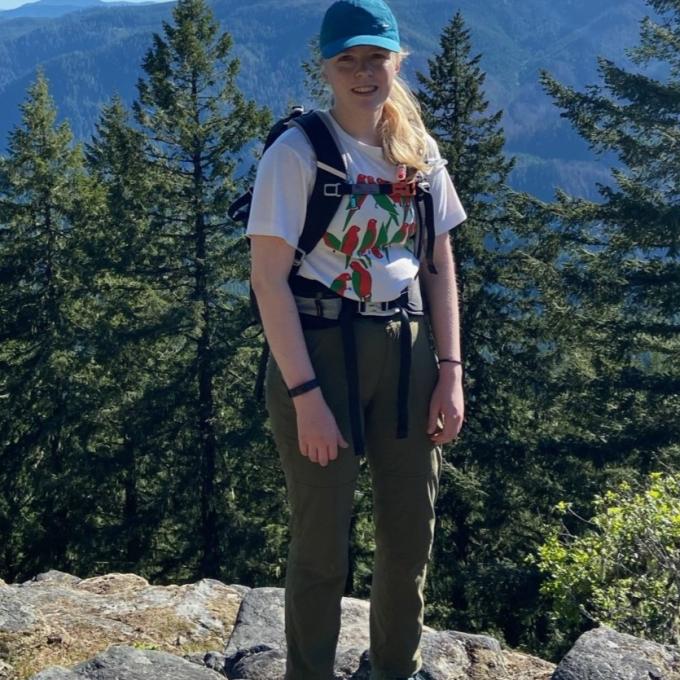
Thesis:Postfire habitat use and density of Pacific martens in Lassen National Forest, California
Cameron Piper
Breadcrumb
Advisor
Frank FogartyCameron Piper, 2025
Thesis:
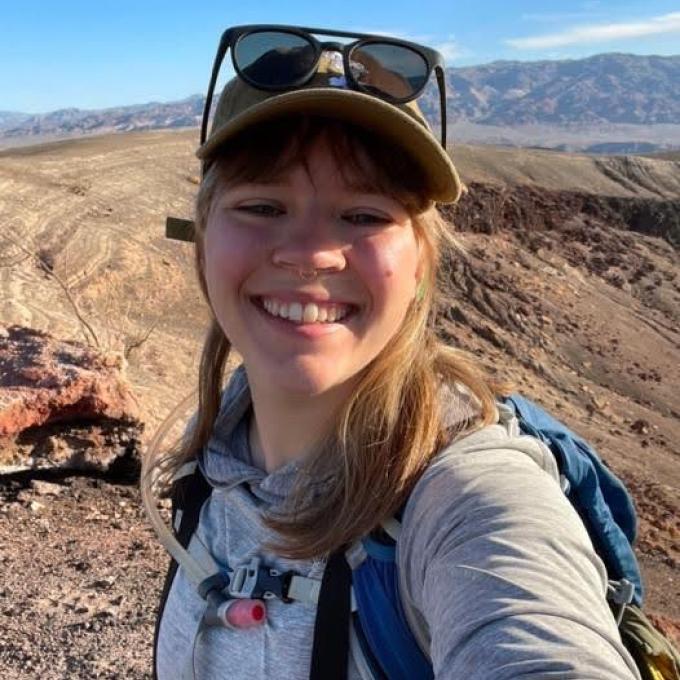
Hiya! My name is Cameron! I grew up in Denver, Colorado, and completed my bachelor's in Conservation Biology from SUNY College of Environmental Science & Forestry. Since graduating, I have been lucky to work as a field scientist and environmental educator in some of the most beautiful places around the world like Mongolia, Yellowstone, the Northern Mariana Islands, the Sierra Nevada, and the White Mountains. I have worked with many different taxa, but birds stole my heart after my first field job studying red-headed woodpeckers. I am very excited to return to the wild world of woodpeckers with Dr. Frank Fogarty and Dr.Ho Yi Wan by studying Lewis’s Woodpecker migration and spatial ecology in the eastern Cascades of Oregon. When not running around after birds, you can find me cooking/baking, hiking, crafting, playing board games, listening to music, or backpacking.
Erisan Villafana Torres
Breadcrumb