




Breadcrumb
Department of Fisheries Biology
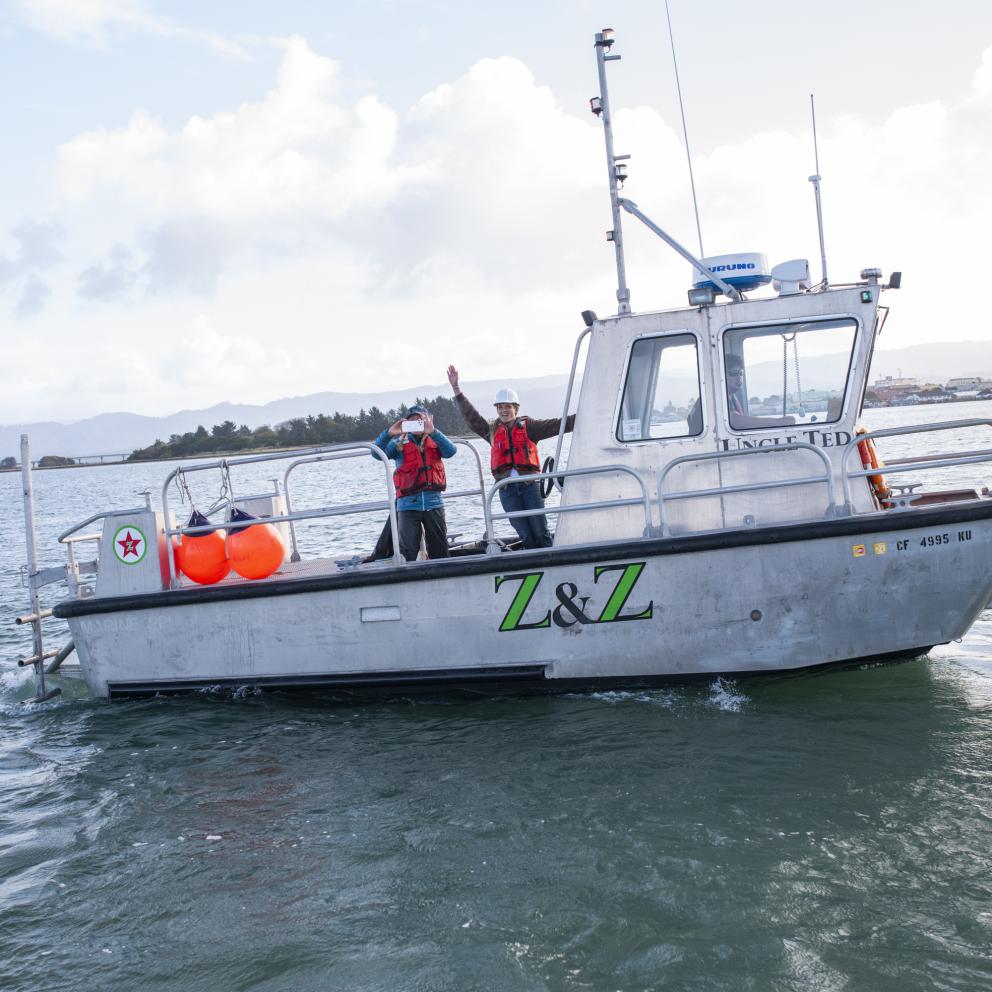
Our program is all about learning by doing. The nearby ocean, bay, rivers, and lagoons play an important role in your education, and resources like our on-campus fish hatchery and ocean-going vessel, along with passionate professors, give you cutting-edge knowledge and hands-on learning to help you excel in your career.
Programs
Fisheries Biology, B.S.
Our Bachelor of Science degree program explores the relationships between fishes and the habitats they depend on.
You’ll choose between marine, freshwater, and aquaculture concentrations that will allow you to become knowledgeable and practiced in conservation, fishery management, water pollution biology, fish health management, and habitat restoration. We’re also home to the only Fisheries Biology program in California.
Natural Resources, M.S. with a concentration in Fisheries
Humboldt's Masters degree in Natural Resources offers a Fisheries concentration.
You will enroll for at least four semesters of coursework, and must complete a research thesis and public thesis defense.
Fisheries Biology Minor
Spectacular Setting
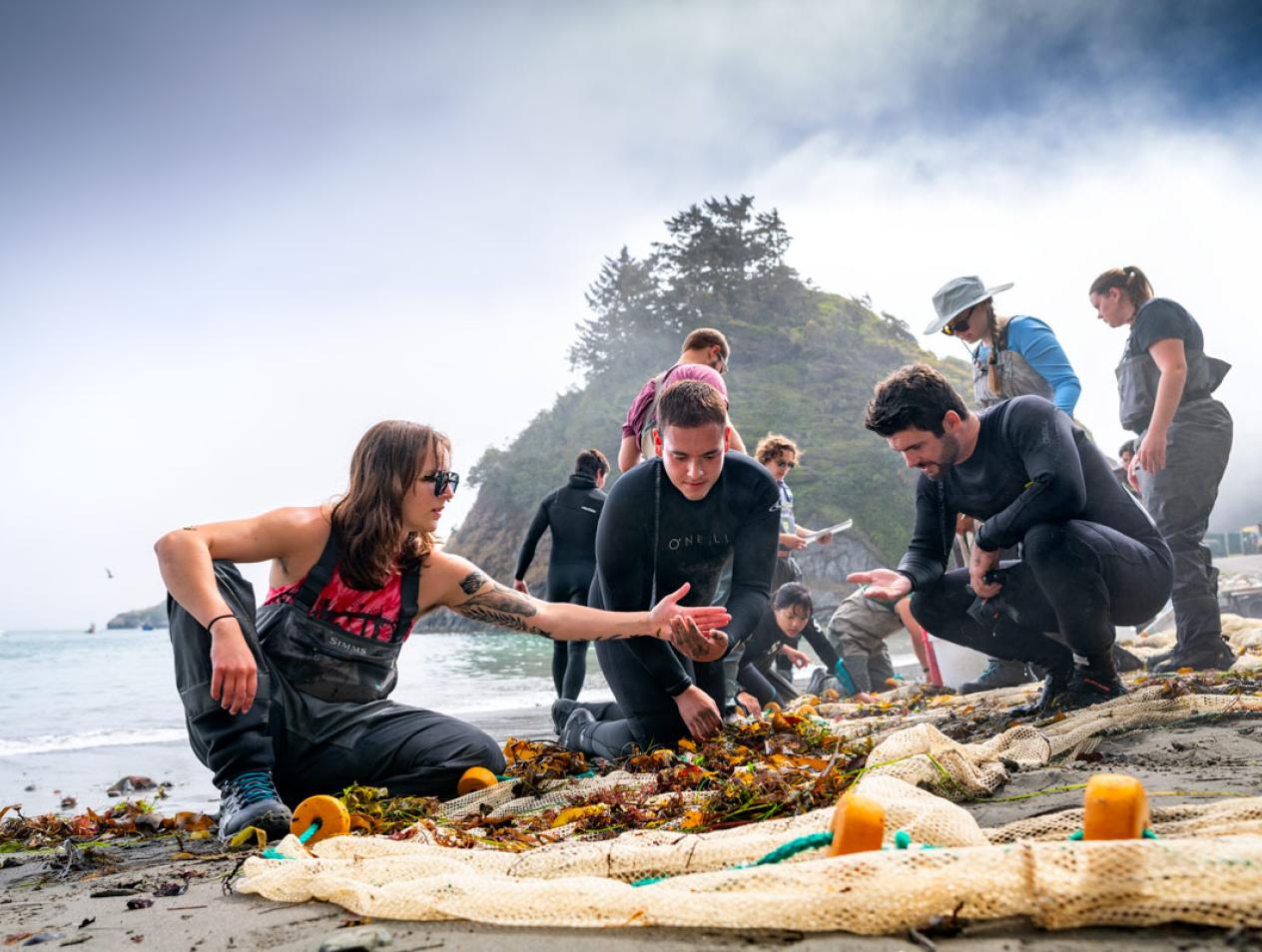
Cal Poly Humboldt is a neighbor to the Pacific Ocean, Humboldt Bay, and major coastal rivers and lagoons. We share these resources with a strong commercial fishing fleet and aquaculture industry, as well as countless recreational anglers.
Hands-on learning in these freshwater and marine environments gives you real-world experience and prepares you for a successful career.
Unmatched Facilities
Our program’s resources will give you the experiences of a lifetime.
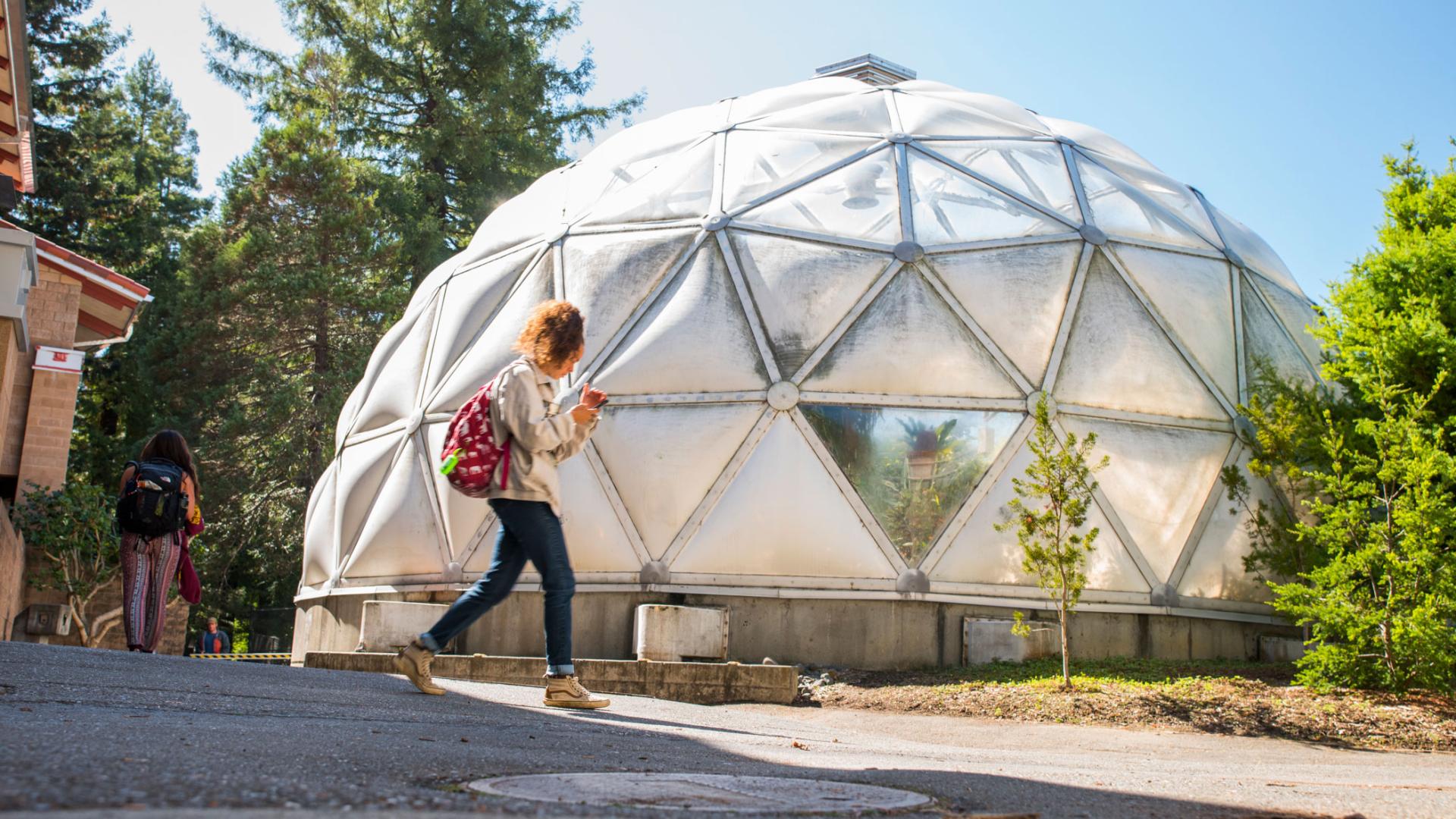
Our on-campus fish hatchery is a unique classroom setting that gives undergraduate students research opportunities and familiarity with aquaculture technology and systems.
The Fish Collection, housed in the Wildlife & Fisheries Building, contains more than 50,000 specimens, with more than 1,200 catalogued species. The collection emphasizes northwestern California but there are holdings from throughout the world, including marine and freshwater specimens that are all searchable on a computerized database.
And just north of campus is the Telonicher Marine Lab. The lab has specialized facilities including a wet lab with high-quality seawater, an aquarium, a culture room, research-grade equipment, and mor
Get your Hands Wet
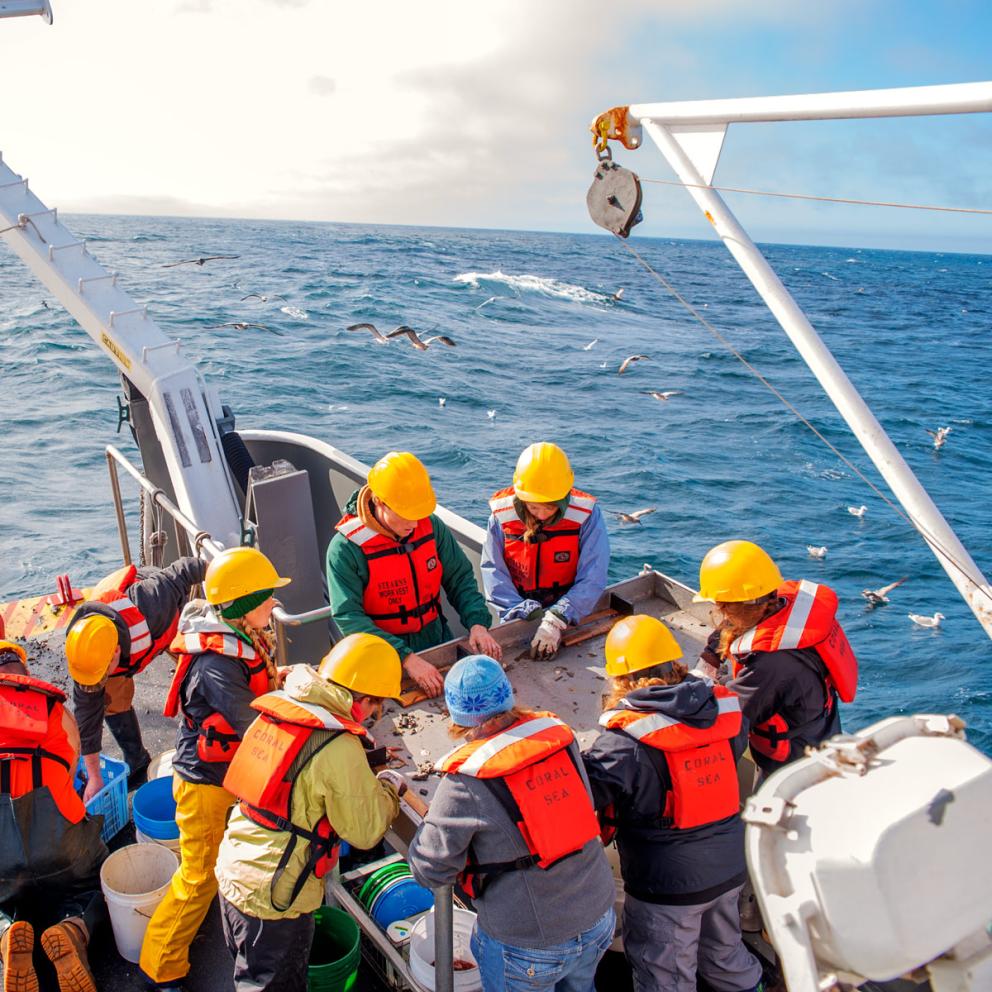
Our facilities and local resources set the scene for a crucial part of our Fisheries Biology program: fieldwork. You’ll get out on the water, putting your classroom knowledge into practice in a way that few programs do.
We stress development of a field-based understanding of the relationships between freshwater and marine fishes and the habitats upon which they depend, and the hands-on work you’ll do provides specialized training as well.
Freshmen Learning Community
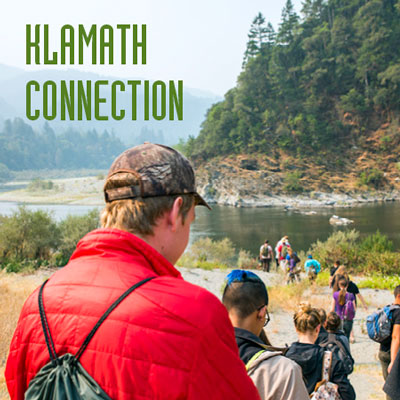
As a Fisheries Biology major, you will participate in a free science program called the Klamath Connection. For one year, freshmen in specific science majors will explore the relationships between science, traditional ecological knowledge, the environment, and Native American communities all through the lens of California’s second largest river, the Klamath River. You’ll gain confidence and be more prepared for your future studies at Humboldt. You’ll also find the support to navigate college life, all while making new friends.
Career Options
Our graduates are known throughout the country for being highly prepared for the job market and have gone on to pursue a variety of careers. Here are a few examples of career fields.
- Aquatic Biologist
- Environmental Specialist
- Fish Culturist
- Fish Hatchery Manager
- Fish & Game Warden
- Fisheries Biologist
- Habitat Restoration Specialist
- Marine Biologist
- Marine Extension Agent
- Research Biologist
- Water Quality Advisor
- Watershed Restoration Specialist
Featured Alumni
Achievements
Find out what our students, faculty, and staff are being recognized for.
Andre Buchheister, Nick Som, Marisa McGrew
Fisheries Biology
Dr. Andre Buchheister, Dr. Nick Som, and new graduate student Marisa McGrew have received funding to study Pacific lamprey in the Eel River ahead of planned dam removals. Although often overlooked, Pacific lamprey are an ecologically and culturally important species that play a vital role in river ecosystems and Tribal foodways. The project will examine lamprey migration, habitat use, and seasonal movement to better understand the species before dam removal begins. Findings will help inform restoration planning, improve conservation efforts, and support future management of the Eel River ecosystem.
Funding comes from CalTrout.
Jose Marin Jarrin, Michelle Schuiteman
Fisheries Biology
Dr. Jose Marin Jarrin and Michelle Schuiteman have received funding to study the status and vulnerability of four culturally important coastal fish species in Northern California. Working in partnership with Trinidad Rancheria, Pulikla Tribe of Yurok People, Tolowa Dee-ni' Nation, and Blue Lake Rancheria, the project will help address critical data gaps for fisheries that lack formal assessment. The research will support tribal stewardship of marine resources while providing professional development opportunities for tribal staff, students, and researchers. Findings will help inform long-term fisheries management and climate resilience.
Funding comes from California Sea Grant.
Darren Ward, Allison Bronson, and Matthew Hurst
Fisheries Biology
Drs. Darren Ward, Allison Bronson, and Matthew Hurst have received funding to study how copper from fungicides used in lily bulb farming near the Smith River may run off into waterways and affect salmon and other aquatic species. The project will examine whether dissolved copper affects salmon sensory function, behavior, and tissue health through water quality monitoring, laboratory toxicity testing, and fish behavior studies. Findings will help improve tools used to predict pollution impacts and support the protection of salmon habitat in one of California’s most ecologically important salmon habitats.
Funding comes from the California Department of Pesticide Regulation.