Registration Status
Registration closed
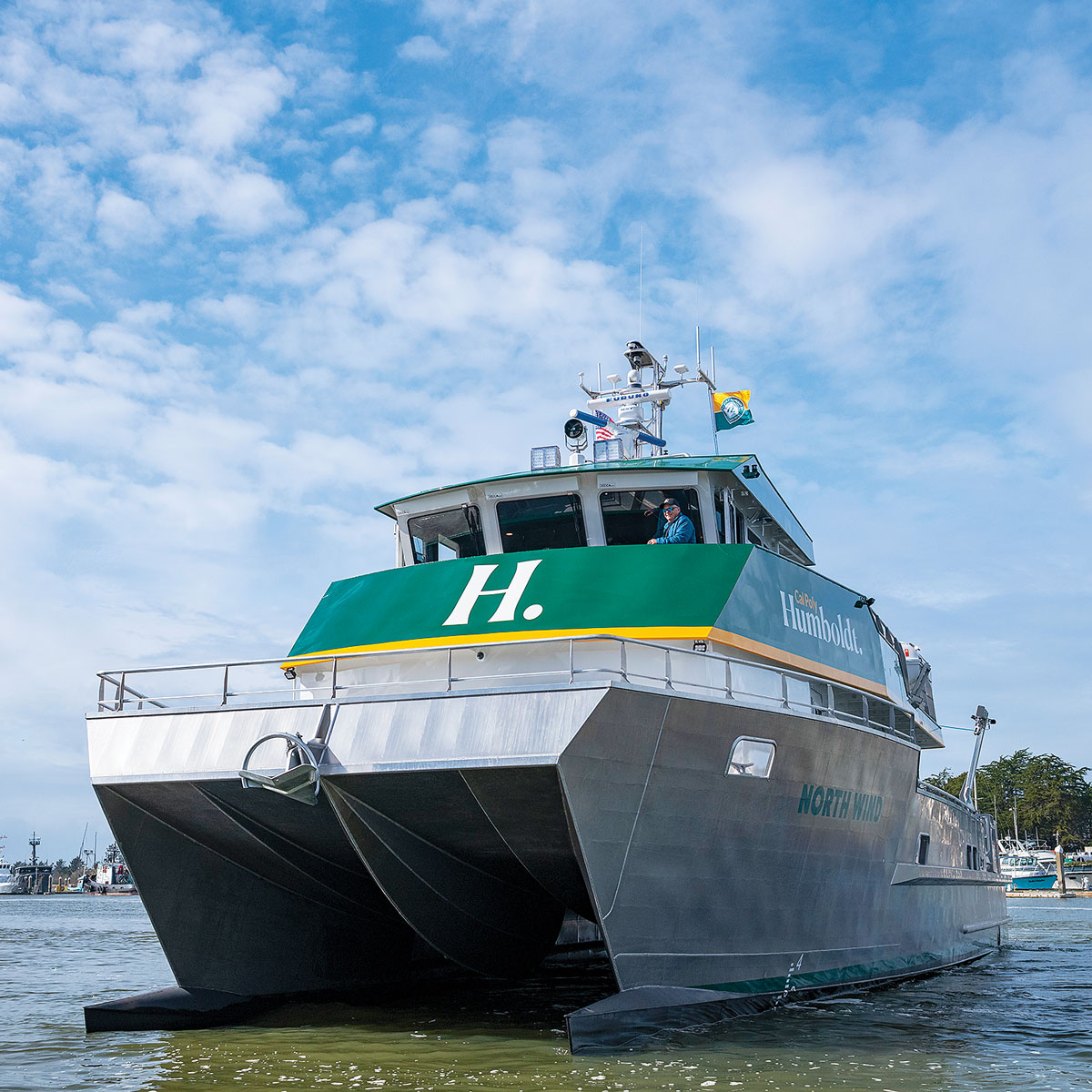
Studying the Sea on the R/V North Wind (Option 1)
Sat., Feb. 28 & Tues., March 3, 1-4 p.m.
Time: 1-4 p.m.
Location: In person: Trinidad & Eureka
Cost: $85
With Eric Bjorkstedt, Interim Director of Marine Operations, & Kyle Weiss, Interim Captain
Get an overview of research activities supported by Cal Poly Humboldt’s new research vessel, the R/V North Wind, including how this work contributes to a broader understanding of coastal waters and the California Current ecosystem off Northern California.
The first session will include a presentation and discussion on land, and the second session will feature a tour and short cruise on the R/V North Wind, where we will demonstrate techniques and technologies used by marine scientists studying the physics, chemistry and biology of ocean waters at sea. If weather or research needs interfere, the cruise will be tentatively rescheduled for the following week.
This class is full.
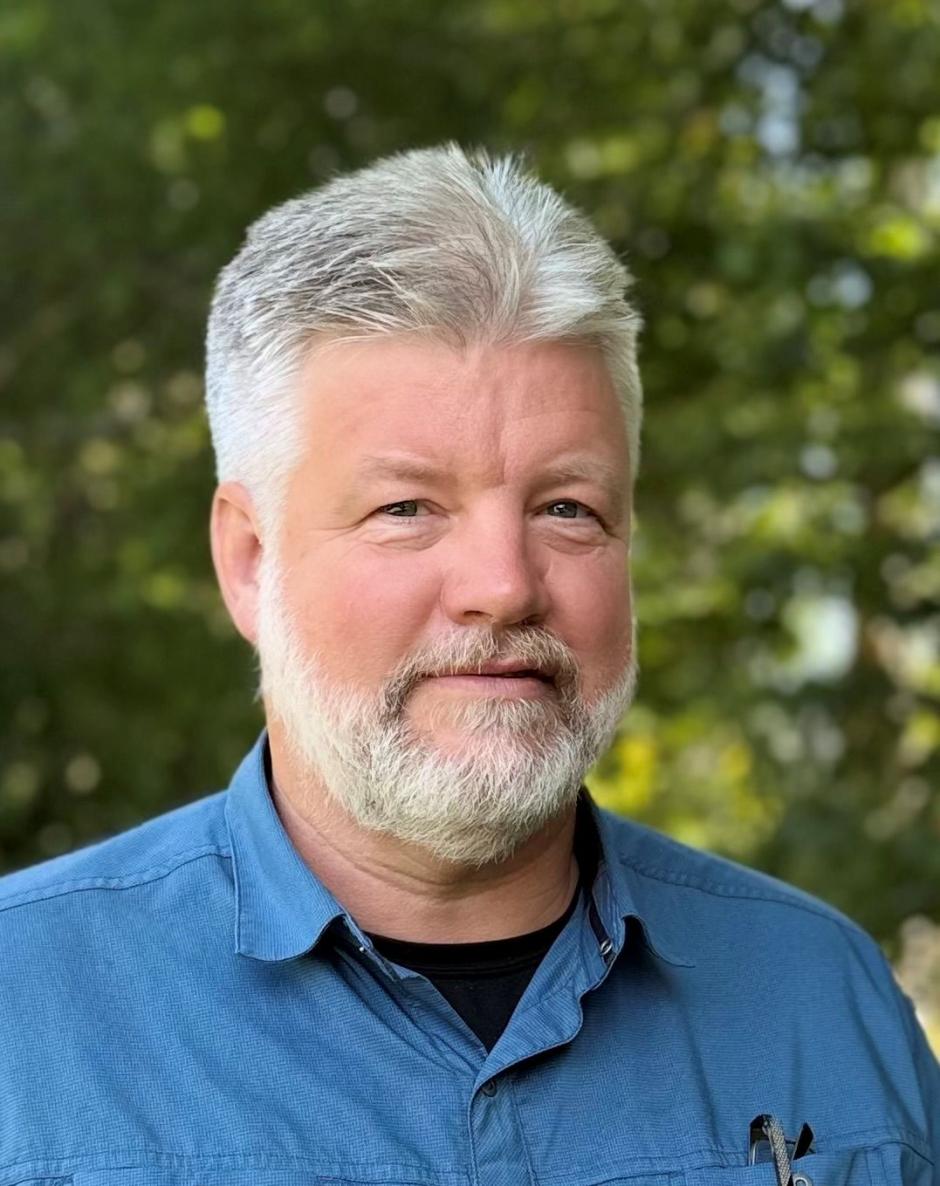
Eric Bjorkstedt
As a fisheries oceanographer, I conduct research to understand how ocean dynamics and biological processes generate structure and variability in marine populations and ecosystems, with the goal of translating insights from this work into effective conservation and management of marine fisheries in a changing ocean. Much of my work focuses on oceanographic and ecological factors that influence ecosystem productivity in the California Current and recruitment (i.e., growth and survival of early life history stages) in rockfishes and salmon. My research program integrates observations and samples from ship-based ocean surveys, laboratory analysis and experiments, remote sensing, fisheries data, and a variety of quantitative modeling approaches.