background 0background 1background 2background 3

Immigration Rights and Resources for the Campus Community

Exercising Your Rights to Free Speech

Elizabeth Morata

Breadcrumb

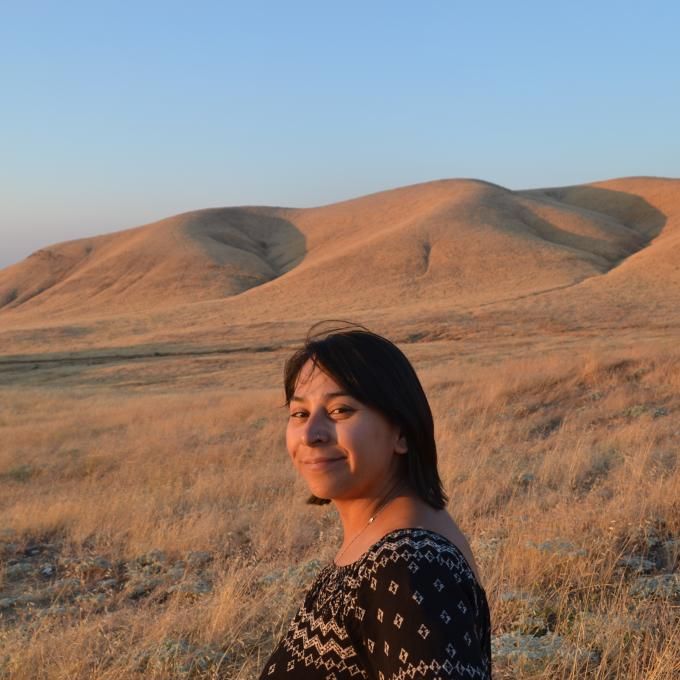
Portrait of Elizabeth Morata

Advisor

Jeff Black

Elizabeth Morata, 2018

Thesis:

GIS Specialist III, Division of Wildlife, Georgia Department of Natural Resources

Kachina Rowland

Breadcrumb

Trinity Tippin

Breadcrumb

Portrait of Trinity Tippin

Advisor

Jeff Black

Trinity Tippin, 2017

Thesis:

Wildlife Biologist, US Fish & Wildlife Service

Jeff Zirpoli

Breadcrumb

Portrait of Jeff Zirpoli

Advisor

Jeff Black

Jeff Zirpoli, 2011

Thesis:

Wildlife Biologist, Environmental Consultant

Emily Bjerre

Breadcrumb

Portrait of Emily Bjerre

Advisor

Jeff Black

Emily Bjerre, 2007

Thesis:

Wildlife Biologist, US Fish and Wildlife Service

Gina Culver

Breadcrumb

Portrait of Gina Culver

Advisor

Jeff Black

Gina Culver, 2025

Thesis:
North American river otter (Lontra canadensis) seasonal prey selection of waterbirds based on availability and vulnerability

This study will build on previous and ongoing research aimed at understanding prey selection of waterbirds by river otters and patch level predation pressure within wetland marshes on the shores of Humboldt Bay, California.Based on the seasonal abundance hypothesis we will investigate whether otters are taking certain types of birds in relation to their seasonal availability in the environment. We will do so by comparing capture success determined from identification of feathers in scat samples with numbers and types of birds present in the study area. Based on the ease of capture hypothesis we propose to measure vulnerability by understanding the occurrence of antipredator tactics in terms avoiding predation by river otters in the primary targeted species reported by Cosby and Szykman Gunther (2014): American coot, bufflehead, and dabbling ducks, (Anas and Spatula sp.). We will test whether otters capture and consume birds according to birds’ vulnerability using factors like readiness to take flight (flight-initiation distance), use of cover, group defense (clustering), or alarm calling. In addition to indicating how many and what type of birds are taken by river otters, we will describe the birds’ response to predation events in terms of patch use and recovery time after predation events. Primary consumers, including predators in a wetland ecosystem play an important role in total wetland functionality (Moore and Schmitz 2021). Our goal is to understand more about predator-prey dynamics between river otters and waterbirds in wetland systems.

Began Fall 2022.

Kelly Commons

Breadcrumb

Portrait of Kelly Commons

Advisor

Jeff Black

Kelly Commons, 2017

Thesis:

Wildlife Biologist

Susannah Ferson

Breadcrumb

Portrait of Susannah Ferson

Advisor

Jeff Black

Susannah Ferson, 2008

Thesis:

Division Director, Natural Resources Services (NRS), Redwood Community Action Agency (RCAA), Eureka, CA

Dominic Bachman

Breadcrumb

Portrait of Dominic Bachman

Advisor

Jeff Black

Dominic Bachman, 2008

Thesis:

Aquatic Health Coordinator, High Desert Partnership; Previously, Wildlife Biologist, US Fish & Wildlife Service (Refuges)

Derek Harvey

Breadcrumb

Portrait of Derek Harvey

Advisor

Jeff Black

Derek Harvey, 2015

Thesis:

Wildlife Biologist, Bureau of Land Management, Medford, OR

Subscribe to