




Breadcrumb
About Us
What began as the Campus Recycling Program (CRP) in 1987 has now evolved into the Waste Reduction and Resource Awareness Program (WRRAP)!
The University did not Recycle until Students Organized and Built the Program!
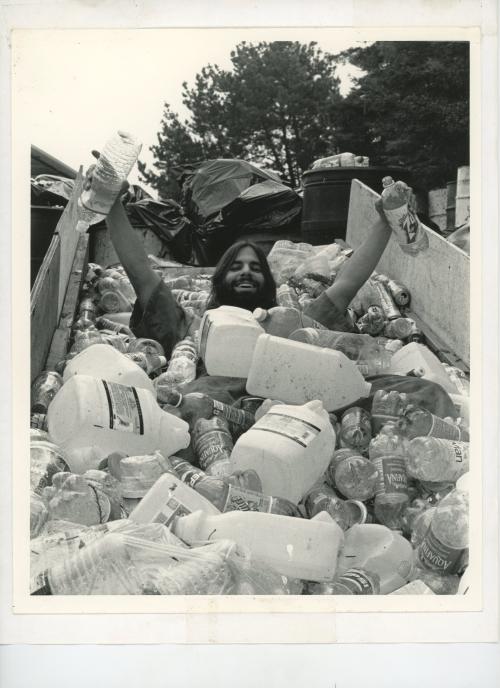
The CRP started out as a volunteer program run off-campus, but by 1989 it began receiving funding from Associated Students. Warren House 53, a house on campus, became the CRP headquarters. The program purchased a 1956 Chevy truck with revenue gained from recycling bottles and cans. This allowed them to be more efficient at collecting and diverting Humboldt's waste, and to further expand. By the end of the year, CRP managed to divert over 8,000 pounds of material out of landfills. Facilities Management eventually took on the responsibility of maintaining proper recycling on campus, allowing the CRP to branch out beyond general recycling, including starting compost, reuse and resident move-out waste reduction. Today, CRP has developed into a multi-faceted program now known as the Waste Reduction and Resource Awareness Program (WRRAP) that officially took its place on campus in Spring 2010. We continue to divert Humboldt’s waste from the landfill and foster a culture of waste reduction with the Reusable Office Supply Exchange (R.O.S.E.), Donation Dash, the Zero-Waste Conference and numerous other zero waste activities.
We were also the First to start Composting!
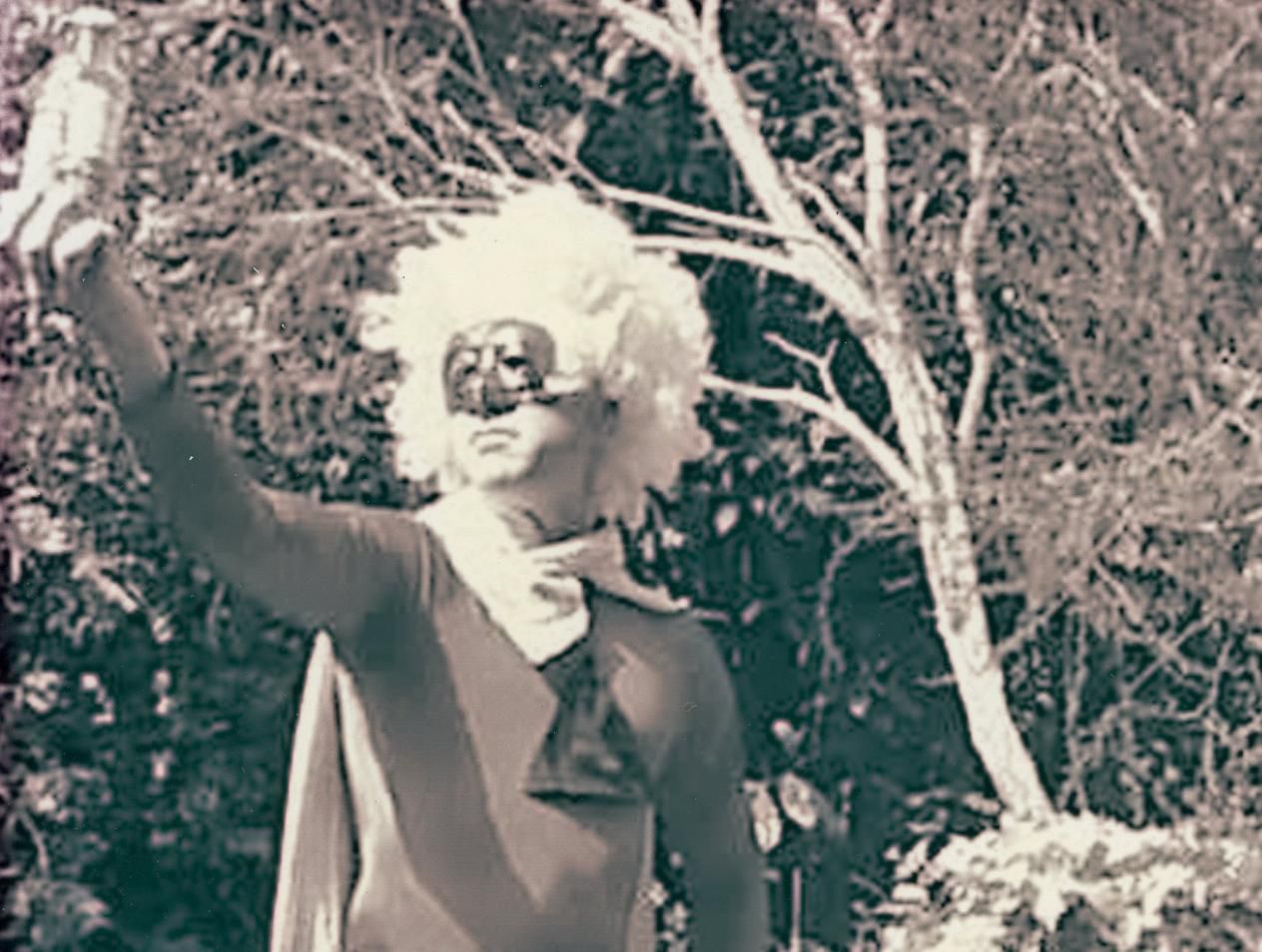
The Compost branch developed a compost demonstration site on campus, diverting some of Humboldt's food waste from entering landfills while educating the campus community. First the CRP and then WRRAP collected food scraps from core locations across campus, expanding to include departmental breakrooms, campus events and campus residents. In 2013 WRRAP acquired the Earth Tub, a three cubic yard aerobic composter, to replace its row of inefficient cold-compost bins. In 2019 WRRAP began using a Radburro electric cargo trike, funded by the Sustainable Humboldt Innovative Futures Trust, to collect five gallon buckets of food scraps across campus. Before that, transportation methods included a small electric golf cart (acquired with the cooperation of Facilities Management), a ’99 Ford F150 truck (purchased in part with Associated Student unallocated funds and in part with university funds), and the Ecocycle, a two-person, human-powered, kinetic recycling vehicle, originally built for the Kinetic Sculpture Race, which was purchased from its builder, Mark Mueller in 1992. It served as a great tool for the campus, gaining much publicity, hauling heavy loads, and using raw human power. In Spring 2006, the Ecocycle was finally put to rest as the racing gears could not keep up with the heavy hauls.
And We were the First to Get Hydration Stations on Campus and to Phase Out Bottled Water Sales!
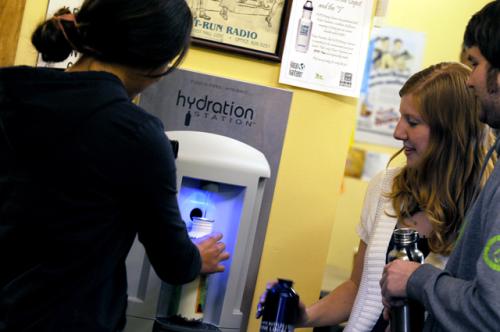
WRRAP's chapter of Take Back The Tap promoted the elimination of bottled water on campus by providing reusable water bottles and bottle refilling stations where the campus community can access free, clean, great-tasting tap water. Thanks to their efforts, the university phased out the sale of single-use plastic bottled water (see this article), and Facilities Management has installed additional bottle filling stations across campus!
Why WRRAP?
The Waste Reduction and Resource Awareness Program (WRRAP) at Cal Poly Humboldt in Arcata, California strives to encourage alternative perspectives on consumption and provide a means for landfill substitution in our campus community. The program offers a diverse outlet for hands-on learning experiences to help the campus community take responsibility for the campus’ waste flow and make a positive contribution to the quality of our campus environment. WRRAP endeavors to bridge awareness and action through all of its programs.
WRRAP receives requests for information and advice from other university recycling programs around the world. Due to the innovative nature of WRRAP, Humboldt was chosen by the California Integrated Waste Management Board in 1992 to be one of three model campus recycling programs for the CSU and UC systems, and of the three model programs, Humboldt was judged to be the most in-depth and extensive campus. Even more, the Integrated Waste Management Act (AB939), which mandated every city in California reduce its waste 50% by the year 2000, excluded state institutions. Humboldt set the same goal of 50% waste reduction at the urging of WRRAP and is proud to say we reached the goal of 50% waste reduction in 1996. Since then, new legislation (e.g., AB75) has extended the same diversion mandates to state agencies.
As an organization, we look with pride to the several commendations we have received from local governments and state agencies. WRRAP has received several Humboldt County Waste Reduction Awards, over the years for "Most Effective Composting Activity". WRRAP was also recognized with a California Resource Recovery Association Public Education Award and has received numerous Cooperative Community Foundation grants for excellent community contribution. WRRAP has been reported in nation-wide industry journals including Bio-Cycle, EPA News, and Resource Recycling, and recognized by then State Senator Mike Thompson, Assemblywoman Virginia Strom-Martin, the Humboldt County Board of Supervisors, and the City of Arcata. Because of this recognition, we have received requests for information and advice from other university waste reduction programs around the world. Due to the innovative nature of WRRAP's program, we expect this success to continue.
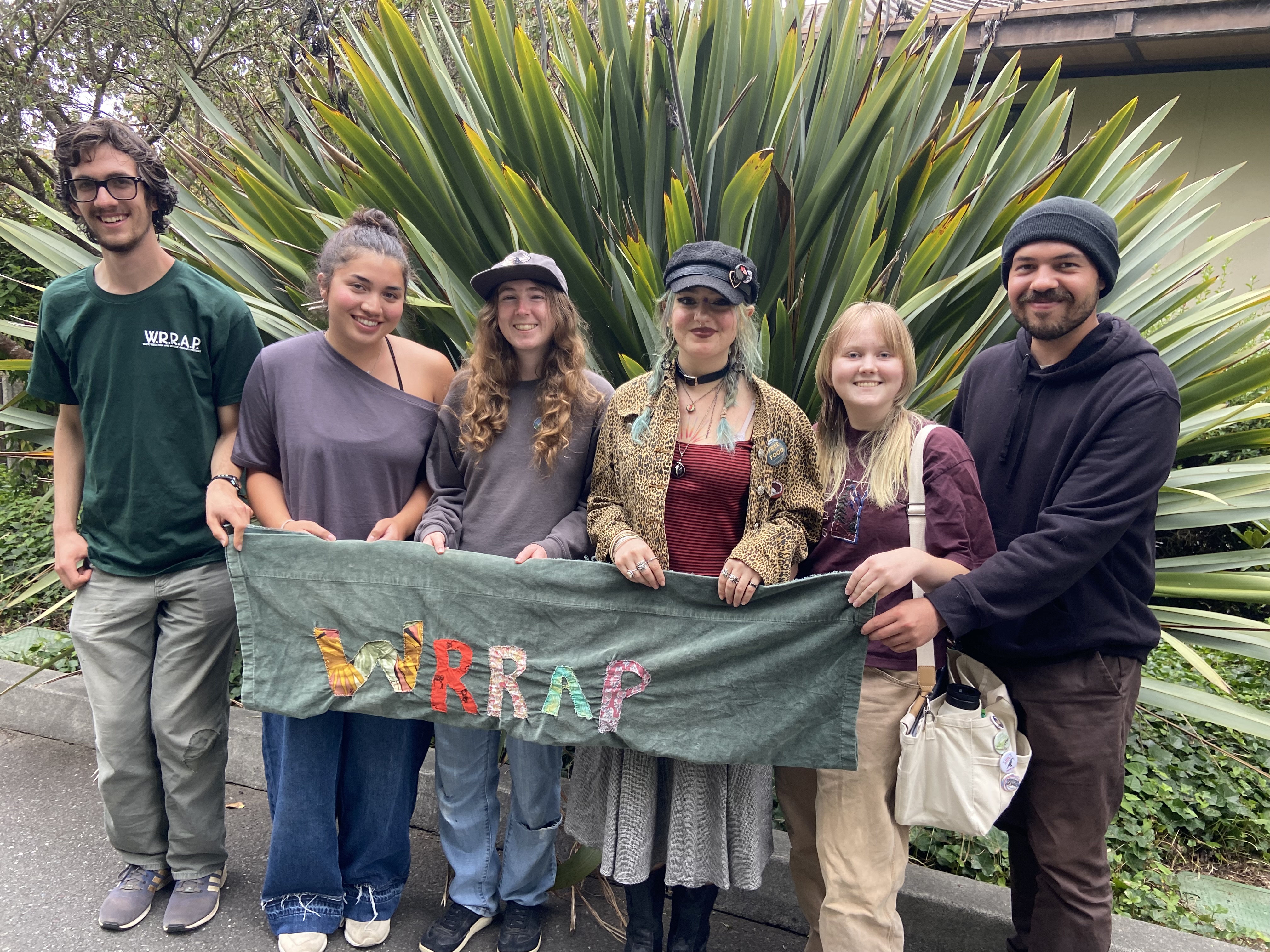
Fall 2026 WRRAP team: (L to R) Spencer Hoyt, Jasmine Andrea, August Givens, Annagrace Curtiss, Eve Ramsey, Noe Araiza.