



Breadcrumb
Archaeology
Archaeology studies past and present cultures and cultural heritage preservation by unearthing, documenting, and analyzing materials.
Archaeologists study the things that people leave behind, including artifacts such as tools and vessels, features such as hearths and buildings, and ecofacts such as animal bones and even tiny remnants of pollen. Think of the items in your own home that may still be around in a few hundred or even thousands of years! Archaeologists study material remains in context, and use that information to ascertain things about the culture that left them behind. What kind of food did they eat? What kind of tools did they make, and how did they make them? What sort of structures did they build? What did their artwork and symbols mean? Archaeologists study the material remains of cultures from millions of years ago to the recent past.
Courses in Archaeology
- ANTH 105: Archaeology & World Prehistory
- ANTH 300: Method & Theory in Archaeology
- ANTH 307: World Heritage & Archaeology
- ANTH 351: Artifact Analysis
- ANTH 352: Experimental Archaeology
- ANTH 354/654: Cultural Resources Management
- ANTH 357: Field Archaeology
- ANTH 358: Archaeology Lab
- ANTH 359/559: Variable Topics in Archaeology
- ANTH 394: Archaeology of North America Regions
- ANTH 395: Mesoamerican Archaeology
- See the catalog for course descriptions
Archaeology Lab
The Geospatial Archaeology Research Laboratory is a research facility dedicated to the scholarly pursuit of knowledge about past cultures within California, nearby, and international areas. As part of the Anthropology Program of Cal Poly Humboldt, the laboratory supports the archaeological research and instructional activities of the faculty. The laboratory provides unique learning and directed-research opportunities for Humboldt students, as well as educational outreach programs within the local community.
Cultural Resources Facility
The cultural resources facility (CRF) offers students hands-on training opportunities in cultural resources management and heritage preservation, a major career area in applied archaeology. Students work with professional archaeologists, architectural historians, and other specialists, while receiving training project inventory, site mapping, excavation, historical research, identification and management of cultural resources, and navigating federal, state, and local historic preservation laws and regulations.
Belize Archaeology Field Program
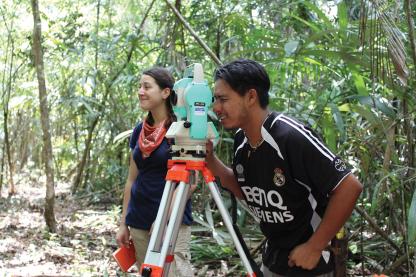
The field school program involves survey, excavation at several Maya sites, and laboratory experience working directly with excavated Maya artifacts. Field techniques, lectures on Maya culture history and instruction concerning artifact analysis are provided during each session.
Macedonia Archaeology Research Project
The Macedonia archeology research project is an international collaboration between researchers in the US and Macedonia. The project focuses on the Hellenistic, or Macedonian, era and into the Roman conquest.
Cultural Resource Management Certificate
Cultural resource management (CRM) is an applied approach to heritage management that focuses on identifying, documenting, assessing, and managing cultural resources, both tangible and intangible. The Cultural Resource Management Certificate trains students in field and office practices in the CRM industry, including contemporary methods and the regulatory environment. The program courses also emphasize the importance of applying modern principles to ensure ethical conduct and respectful collaboration with community partners. Certificate holders should have a competitive advantage for both industry jobs and graduate school pursuits.
Maritime Archaeology Certificate
The Maritime Archaeology Certificate provides background information and foundational knowledge in maritime history and archaeology. The certificate will help prepare for graduate education in this field. Upon completion, students will have diving qualifications and basic maritime archaeological skills to assist in maritime archaeological projects.
Simulated Archaeology Site
The Simulated archaeological site (SIM site) is an on-campus site where students practice archaeological methods.