


Breadcrumb
2026 CTL Faculty Scholar Projects
The CTL Scholar Program invites educators to collaborate with the Center for Teaching & Learning (CTL) in advancing campus-wide professional growth.
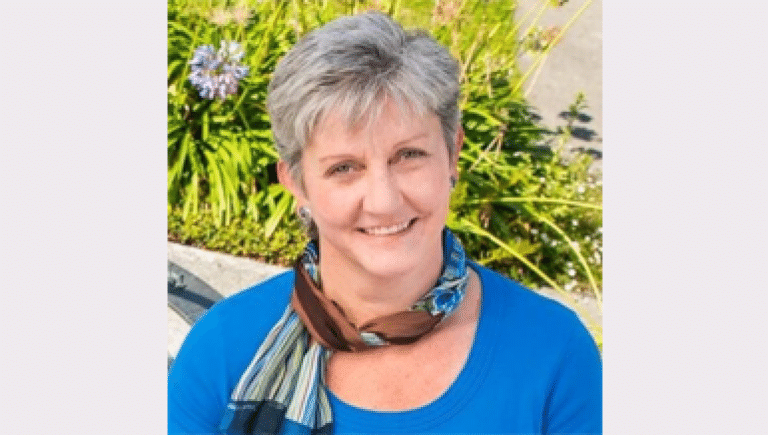
Alison Holmes
Integrating AI into Campus Career Curriculum & Developing AI Career Tools for Student Use develops ethical, practical AI-based career curriculum for Cal Poly Humboldt. Over three semesters, it will research best practices and create student exercises, faculty-ready materials, and SkillShops that help students use AI responsibly for resumes, cover letters, and interviews. The work updates Humboldt’s existing career curriculum, supports faculty integration across disciplines, and advances equitable, workforce-ready student outcomes.

Nicholas Perdue
The Humboldt ArcGIS StoryMap Project will create a Cal Poly Humboldt–specific ArcGIS StoryMaps tutorial, and branded template suite that makes student map-based storytelling more consistent, accessible, and professionally presented across courses. Over the spring semester, we will develop modular student and instructor guides, place-based examples rooted in the North Coast, and campus-hosted templates in ArcGIS Online that emphasize advanced features, ethical media practices, and accessibility.

Kathleen Mercury
Designing Games and Simulations for the Classroom is a semester-long, cross-disciplinary Faculty Learning Community that introduces faculty to game design for teaching. Participants will design, playtest, and refine an educational game aligned to their course, culminating in a classroom implementation plan and a digital portfolio of faculty-created games that support interactive, feedback-rich learning across campus.
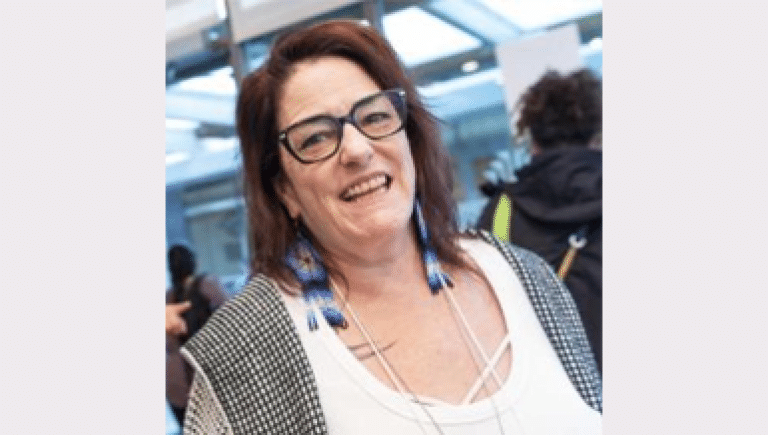
Yatiel Owens
The Voices of Faculty, Departments, Students, and Partners is a two-phase project that centers people and place in distributed and online learning. In Spring 2026, it will assess online student and faculty strengths and needs across departments, with particular attention to gaps in support services. In Fall 2026, a faculty, staff and partner learning community will synthesize findings into a living toolkit of research, resources, and best practices to strengthen equitable online learning support.
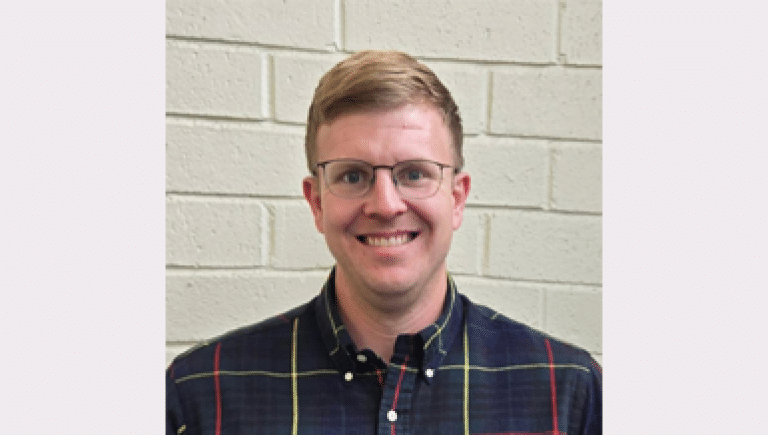
Joshua Steimel
The Hands-On Pedagogy Institute for STEM Instructors is a semester-long Faculty Learning Community that supports STEM faculty in designing equitable, low-cost, and AI-enhanced applied learning. Participants will explore open-source tools and responsible AI use through hands-on demos and collaborative design, culminating in course-ready modules, an open resource repository, and a campus showcase that advances Cal Poly Humboldt’s polytechnic mission.

Shelbi Schroeder
Shelbi Schroeder served as an online facilitator for the CTL Certificate for Online Instruction Academy, bringing a warm-demander approach that balances high expectations with strong relational support. In this role, Shelbi will guide faculty participants through an engaging online learning experience grounded in Backward Design, Universal Design for Learning (UDL), reflection, and well-aligned, equitable curriculum design practices.
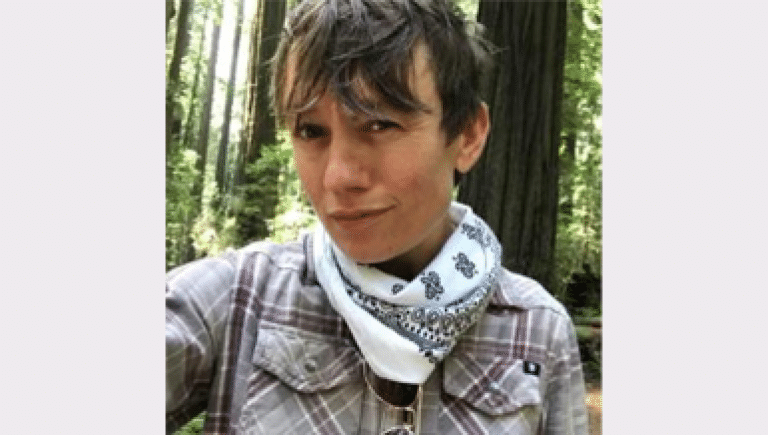
Michelle Cartier
From Conference to Classroom translates innovative hybrid and online teaching practices into actionable faculty development at Cal Poly Humboldt. By presenting at a national teaching conference and bringing back evidence-based strategies—such as “grazing,” qualitative synthesis discussions, and human-centered design—the project supports inclusive, flexible course redesign through workshops and CTL programming, ultimately improving student engagement and success across modalities.
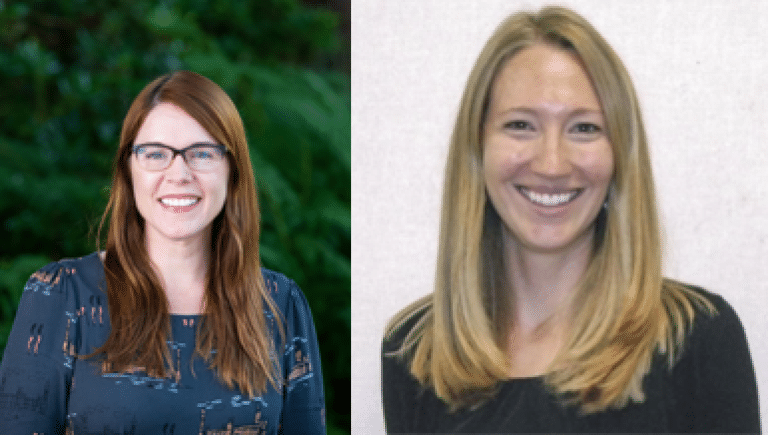
Amanda Dinscore and Libbi Miller
AI Teaching Lab
The AI Teaching Lab is a three-part workshop series embedded in the Teacher Credential Program that prepares pre-service teachers to engage with AI ethically, creatively, and responsibly. Grounded in UNESCO, ISTE, and California TPE frameworks, the project equips future educators with practical strategies for AI-informed lesson design and assessment, while producing a scalable model for AI literacy in teacher education with local and international impact.

Nicolette Amann
Part One: The Writing Hub: Resources for Teaching Writing Across the Curriculum is a Canvas site that includes instructional material on principles and best practices, links to readings and resources, sample activities and lessons, and ongoing discussion forums within each of the following six modules:
- Why Writing Matters Everywhere: Core Concepts of WAC
- Mix It Up: Writing for Varied Purposes to Deepen Learning
- Transparent and Engaging Assignment Design
- Teaching Writing as a Process, Teach Writing Throughout the Process
- Assessment Strategies that Promote Learning and Growth
- What About GenAI?
Part Two: The Writing Hub Live: Principles and Best Practices for Writing Across the Curriculum is a semester-long faculty learning community that accompanies the Writing Hub Canvas site to provide a space for hands-on, guided development of course-specific and immediately usable teaching activities, assignments, and policies. These six interactive sessions prepare faculty to teach writing using contemporary and research-supported strategies that center meaningful human experience as key for writing development.