
Breadcrumb
Leadership Studies Student Spotlight: Tammy Farmer
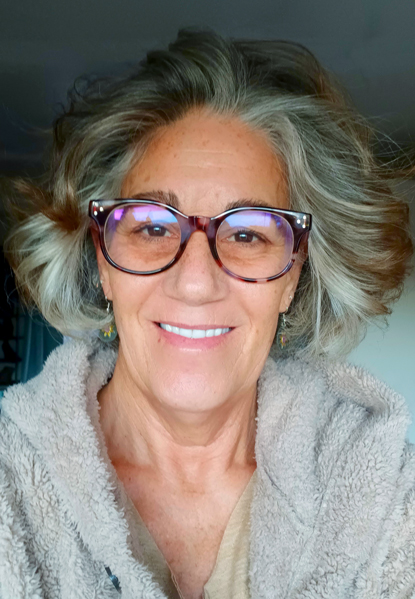
Role: Empowering seniors in Humboldt County
Expected Graduation Date: Summer 2026
Please tell us about yourself.
I’ve always been a systems thinker, someone who seeks to understand the root cause behind a problem before trying to solve it. The Leadership Studies program refined my leadership. I examined my strengths, my leadership style, and how I operate within a team. I learned to lead with my strengths and break down complex challenges into manageable steps.
Then the program asked: What is the biggest idea you would pursue if there were no limits? I would create a structured way for our elders to preserve their stories for future generations in our university archives.
Can you tell us more about your project, “The Oral History Van”?
The Oral History Van is an initiative I developed to bridge the access gap between rural communities and archival preservation. It is based in Humboldt County. Instead of immediately launching a mobile unit, I began by building the foundation. Through my coursework, I secured university approval, developed ethical consent processes, created needs assessments, identified an archival pathway, and wrote a successful transportation grant. The first stationary phase, Empowering Seniors in Humboldt County, allowed me to test the system before expansion (see Humboldt NOW, November 2025).
The next phase is the mobile vision. The future van will function much like the Bookmobile and Bloodmobile already serving Humboldt County, bringing recording access directly into rural community spaces and reducing the distance between lived experience and long-term preservation.
What motivated you to create this project?
Humboldt County is geographically large and rural, and many seniors are aging without structured opportunities to document their stories. Without intentional access, those voices rarely enter shared historical collections. Online platforms are an option, but nothing replaces face-to-face storytelling and the commitment to return to communities regularly. Real human stories are lost every day, and I want to intentionally change that. Leadership, to me, is stewardship. It means taking responsibility to protect what matters before it fades.
What specific experiences in the Leadership Studies program helped you implement this work?
Leadership Studies trained me to think beyond barriers. Leadership builds both projects and people. As this idea developed, I gathered collaborators who care about our elders, history, communication, and community identity. Through coursework in strategic planning, sustainability, and organizational leadership, I gained the discipline and structure needed before expansion. I also presented this work to The Institute for Historical Study in the Bay Area, planting a seed for a more cohesive statewide approach to oral history collection (see IHS Winter Newsletter).
What are your goals for after graduation?
After graduating in summer 2026, I plan to strengthen the pilot phase while preparing for mobile expansion. I have applied to the M.A. in education at Cal Poly Humboldt to deepen this work in adult lifelong learning and community health.