




Breadcrumb
Department of Wildlife
Cal Poly Humboldt's nationally-recognized Wildlife program provides a rigorous curriculum, plus field experience in nearby natural habitats. Our goal: instill a sense of responsibility, appreciation, and expertise, giving students a deeper understanding of managing and conserving wildlife and ecosystems.
For Wildlife students, access to an array of natural habitats and supportive faculty make Cal Poly Humboldt the perfect place to live and learn.
Our Bachelor and Masters of Science degrees in Wildlife focus on
APPLIED VERTEBRATE ECOLOGY.
That means studying the distribution and abundance of species (ecology), with an emphasis on mammals, birds, reptiles, and amphibians (vertebrates). This information is applied to real-world issues to help inform conservation and management decisions for species and their habitats.
Program Overview
The wildlife major has one flexible concentration—Wildlife Ecology, Conservation, and Management—which is academically rigorous and includes ample field research opportunities under the guidance of faculty who are experts in multiple disciplines.
The Master of Science degree focuses on applied vertebrate ecology, as well. With a curriculum founded on scientific principles, the program emphasizes the natural history of terrestrial vertebrates.
Program Options
Wildlife, B.S.
Students receive rigorous academic training in the classroom and in the field through a series of ecology and wildlife management courses that cover large mammals, waterfowl, upland game, and non-game (e.g. herps, shorebirds, or passerines).
The program includes specialized upper-division courses in advanced ornithology, behavioral ecology, conservation biology, animal behavior, population ecology, urban ecology, upland habitats, wetlands, and wildlife diseases. Under the supervision of a professor, students will conduct independent research and complete a senior thesis.
Natural Resources, M.S. - Wildlife option
Cal Poly Humboldt's Wildlife graduate program is an option within the Natural Resources graduate program. It emphasizes research on wildlife species, behavior, and habitat requirements within the complex ecological interactions that govern the outcome of various land use practices.
For information about application procedures for the program, read the general guidelines for graduate school admission. Prospective students are encouraged to contact individual Wildlife faculty members as potential graduate advisors.
Location
Located in Northern California, Cal Poly Humboldt is near the Pacific Ocean and surrounded by ancient redwoods. Nearly five million acres of national forest, parks, and public wilderness lands provide opportunities to study wildlife, ecology, and management. Among those regions: the Humboldt Bay and coastal habitats attract a wealth of the Pacific Flyway’s migratory shorebirds, raptors, and waterfowl. At the Arcata Marsh & Wildlife Sanctuary alone, there are more than 270 species of birds throughout the year. Redwood National and State Parks and Six Rivers National Forest are also home to black bears, river otters, Roosevelt elk, bobcats, and mountain lions, too.
Career
Our Wildlife program graduates are highly trained and in high demand, thanks to a rigorous curriculum and practical experience. You’ll also have several opportunities to meet local professionals such as biologists from U.S. Fish & Wildlife Service, the U.S. Forest Service, and state parks who give guest lectures and attend on-and off-campus meetings.
Faculty
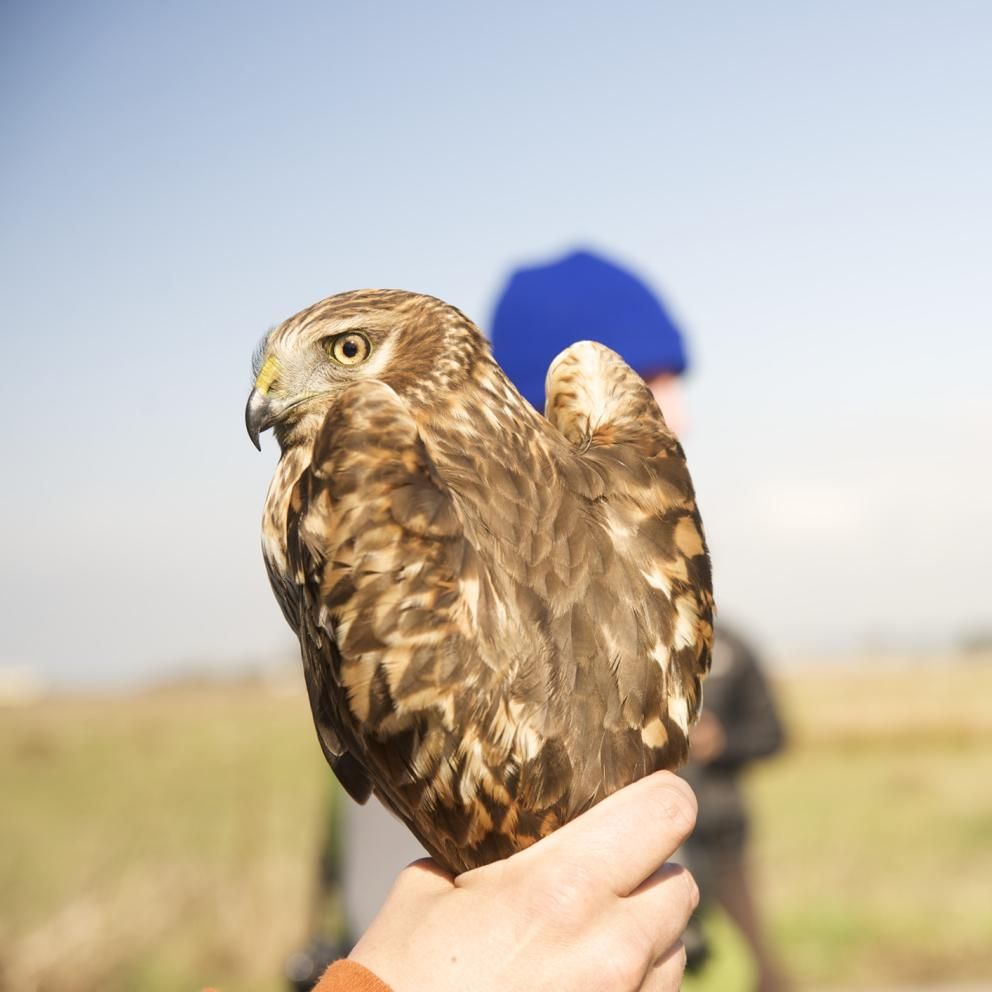
The foundation of our program is our faculty, a team of ornithologists and mammalogists who are committed to your education. They’ll work closely with you in the classroom, in the lab, and in the field, providing the extra support you may need to be successful.
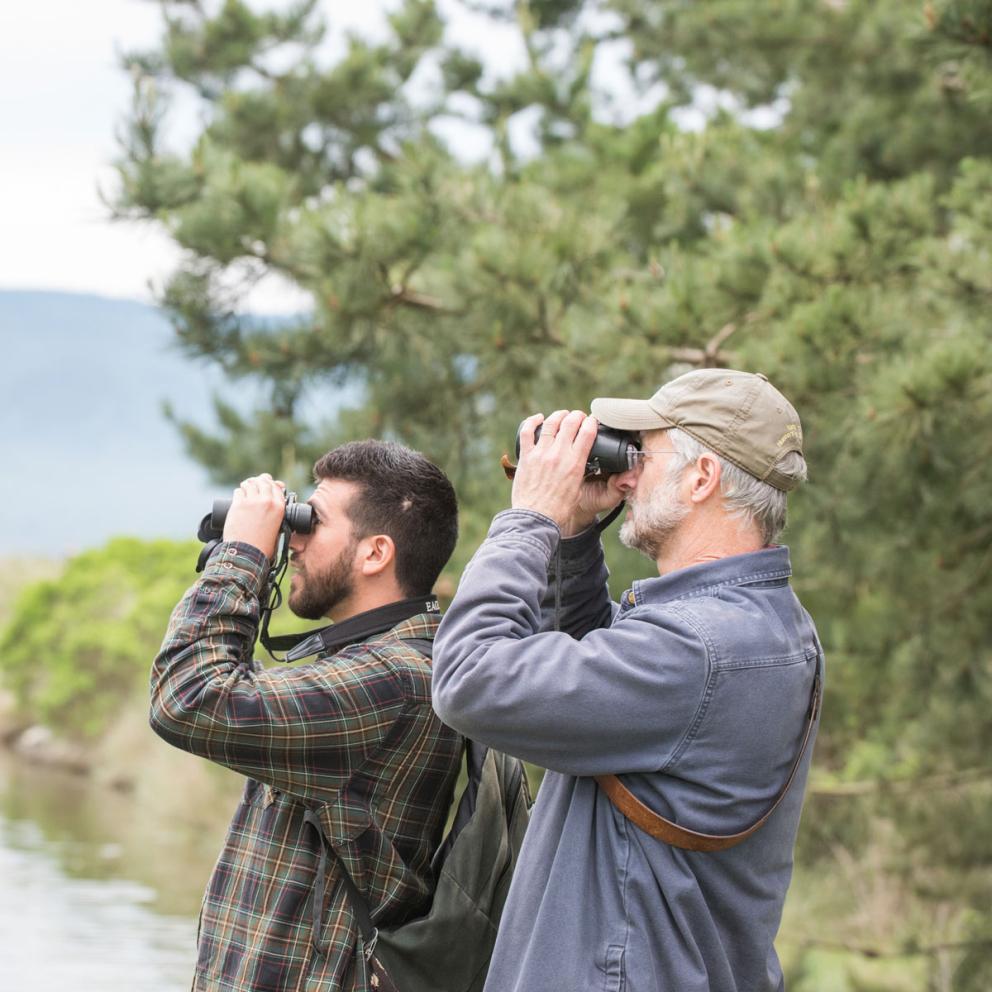
Hands-on Learning
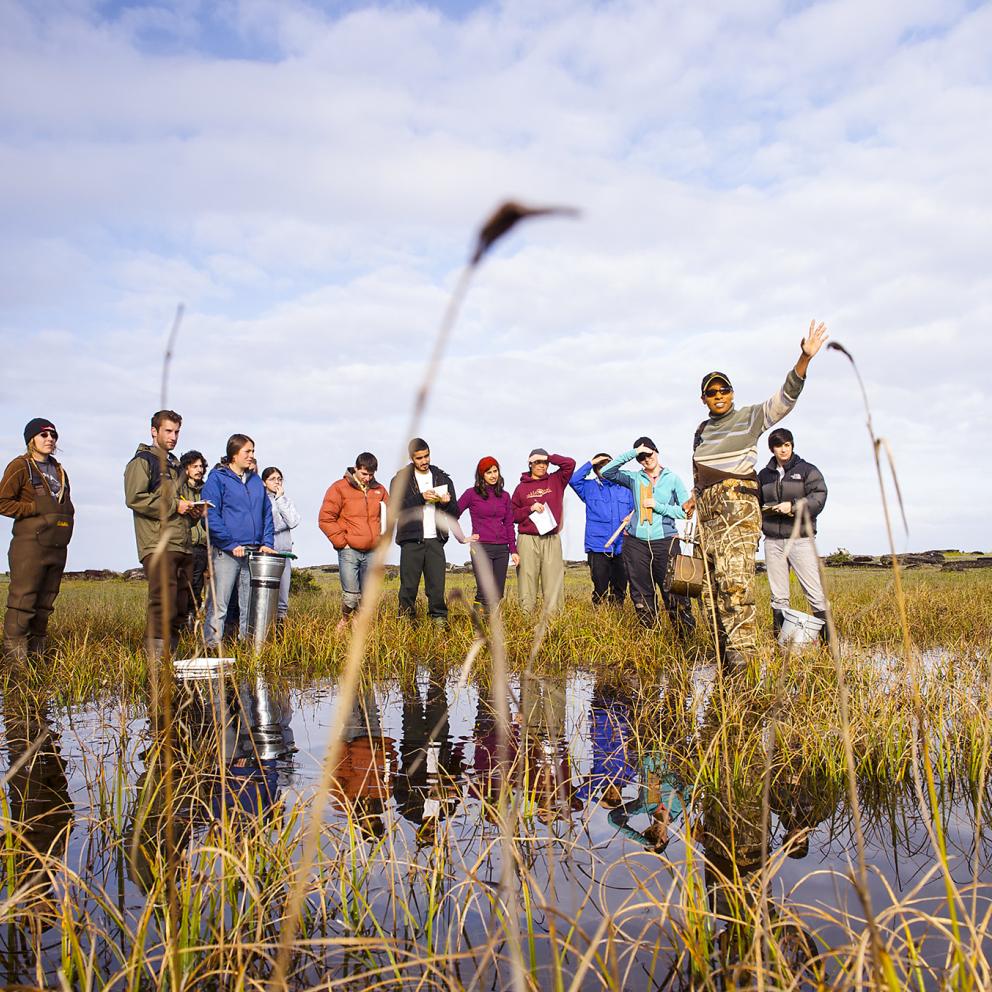
Conduct field research in diverse natural habitats and take weekend camping field trips to practice field techniques. And in your senior year, work on an independent research project under the supervision of a faculty member for your culminating experience.
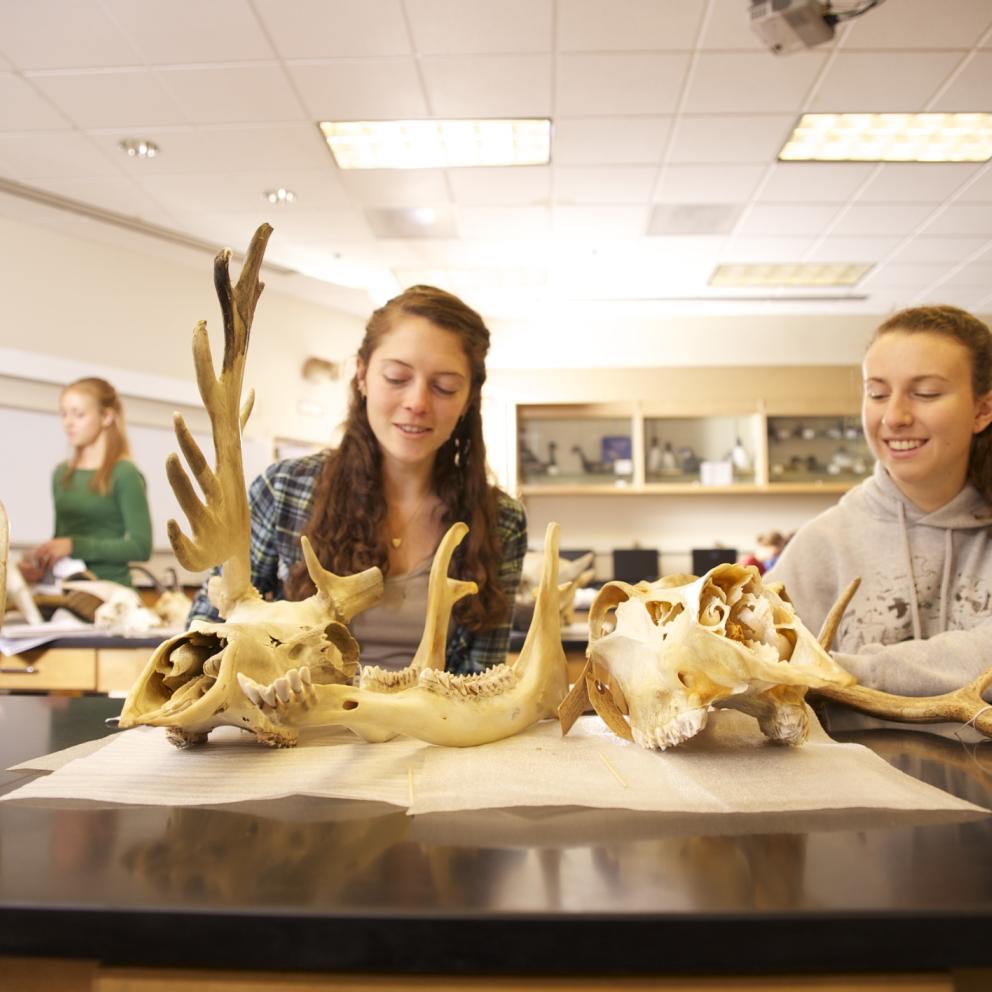

Freshmen Learning Community
As a Wildlife major, you’re also eligible to join a free science program called the Klamath Connection. For one year, freshmen in specific science majors will explore the relationships between science, traditional ecological knowledge, the environment, and Native American communities all through the lens of California’s second largest river, the Klamath. You’ll gain confidence and be more prepared for your future studies at Humboldt. You’ll also find the support to navigate college life, all while making new friends.
Featured Alumni

Career Options
Cal Poly Humboldt Wildlife students graduate with the knowledge and field research skills to pursue several meaningful careers. Many go on to work as wildlife biologists for state and federal natural resource agencies. Others join conservation organizations, private businesses such as ecological consulting firms and timber companies, and zoos and wildlife rehabilitation centers.
Here are a few examples of possible career fields.
- Wildlife Biologists
- Wildlife Refuge Managers
- Biological Consultants
- Park Rangers
- Conservation Scientists
- Fish and Game Wardens
- Forestry Technicians
- Range Conservationists
- Agricultural Planners
Achievements
Find out what our students, faculty, and staff are being recognized for.
Barbara Clucas, Janelle Chojnacki, Alon Averbuj
Wildlife
Protecting California’s threatened western snowy plover starts with understanding one of its primary predators: the common raven. Cal Poly Humboldt researchers tracked ravens along the Humboldt coast using GPS technology and behavioral surveys to identify where they forage and how human resources influence their movements. Ravens were attracted to developed areas and locations with accessible food resources, including agricultural lands and roads. The project also produced public outreach materials to raise awareness of how human actions affect wildlife and how to support future conservation. Learn more about graduate student Janelle Chojnacki’s thesis here and Alon Averbuj’s thesis here.
Matt Johnson
Wildlife
Dr. Matt Johnson has received funding to support long-term bird monitoring, undergraduate training opportunities, and the launch of the Humboldt Ornithology Collective (HOC), a partnership involving Cal Poly Humboldt, the Humboldt Area Foundation, the Integral Ecology Research Center, and the Klamath Bird Observatory. The project will sustain bird banding operations at the Wright Refuge in Eureka while expanding hands-on ornithology training for undergraduate students with little or no prior research experience. The effort also supports revival of the Humboldt Bay Bird Observatory near Lanphere Dunes.
Funding comes from the Humboldt Area Foundation.
Barbara Clucas
Wildlife
Dr. Barbara Clucas and Ryan Matilton (Wildlife masters graduate) have received a grant through the Research and Creative Projects for Equity and Justice (RCPEJ) program. The project will investigate bat diversity and activity along the Klamath River following recent dam removals, contributing to understanding how these changes affect biodiversity. The research will provide important post-dam removal ecological data while also engaging local high school students participating through Humboldt Indian Education Programs. Students will gain hands-on experience in wildlife research. The project advances both ecological knowledge and educational opportunities connected to the Klamath River.