


Breadcrumb
Fire, Forest, Fish & Facilities: Building the Redwood Region's Restoration Workforce
Regional collaboration is helping turn bold ideas into lasting impact for communities across the Redwood Region. Funded through California Jobs First and endorsed by the Redwood Region RISE Collaborative, strategic investments and strengthened regional partnerships are helping to build local capacity, supporting community-led projects from vision to implementation. Career Pathways: Fire, Forest, Fish & Facilities, a project of the Rural Resilience Partnership, is a great example of how that approach is creating opportunities for local residents while preparing the workforce needed to care for our region's forests, watersheds, and working lands.
Firefighters, prescribed fire practitioners, weather personnel, and other emergency response partners certified to date
USDA grant secured for wildfire defense and fuels reduction work
Total restoration and resilience investment supported across the region
Brought into the local Southern Humboldt economy last year through strike teams
A Coalition for Restoration
Led by Trees Foundation, Career Pathways brings together Mid Klamath Watershed Council, Mattole Restoration Council, Mattole Salmon Group, Mattole Valley Community Center, Native Health in Native Hands, Northern Mendocino – Ecosystem Recovery Alliance, Southern Humboldt Fire & Rescue, Tribal EcoRestoration Alliance, Tribal governments, workforce organizations, educational institutions, and other regional partners to create paid, locally accessible pathways into forestry, wildfire resilience, watershed restoration, native plant restoration, and related careers.
The partnership is built around a foundational belief: the people who call this region home should have the opportunity to help care for it.
Building Career Pathways Close to Home
Across the Redwood Region, many of the fastest-growing career opportunities are tied to restoring forests, improving watershed health, reducing wildfire risk, and strengthening community resilience. Yet for many rural and Tribal residents, accessing the certifications and experience needed to enter those careers has required long commutes, lost wages, or leaving their communities altogether.
The Career Pathways project was designed to remove those barriers. The initiative prioritizes Tribal citizens, youth, rural residents, and low-income households while bringing paid training directly into the communities where people live. Participants gain experience in ecological restoration, cultural and prescribed fire, forestry, fisheries, native plant restoration, and emergency response while building careers that support both their families and the long-term health of the places they call home.
The partnership was launched with the goal of training 200 participants and placing 50 people into living-wage careers through standardized curriculum, employer partnerships, and clearly defined career pathways. Since then, the initiative has continued to expand both its reach and its impact.
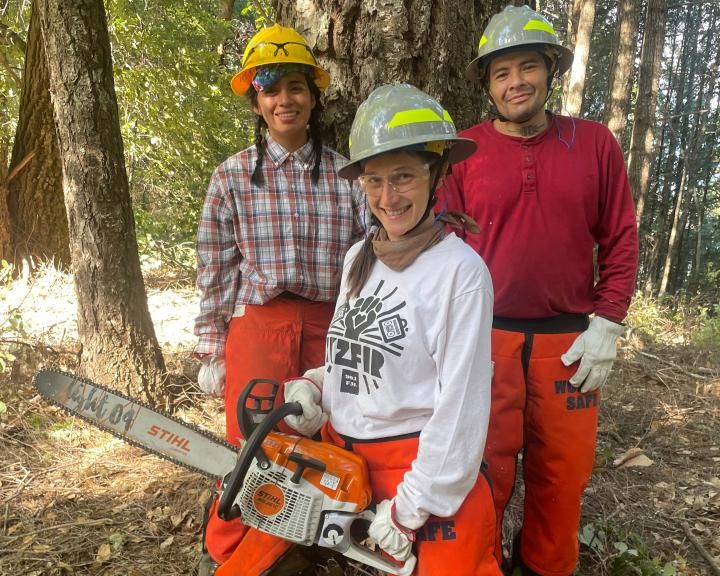
A Partnership Built Through Collaboration
Trees Foundation has worked in this landscape for more than 35 years, but the Rural Resilience Partnership represents something larger than any single organization.
Partners contribute different strengths. Restoration organizations provide field experience. Tribal partners help guide stewardship rooted in Traditional Ecological Knowledge (TEK) while expanding access to Native communities. Fire agencies, workforce organizations, and educational institutions help participants earn certifications, gain experience, and connect with employers.
As Trees Foundation Executive Director Damien Roomets describes it, the organization's role is often to "lead from behind"—helping connect and strengthen work already happening throughout the region.
“The Funding Glue"
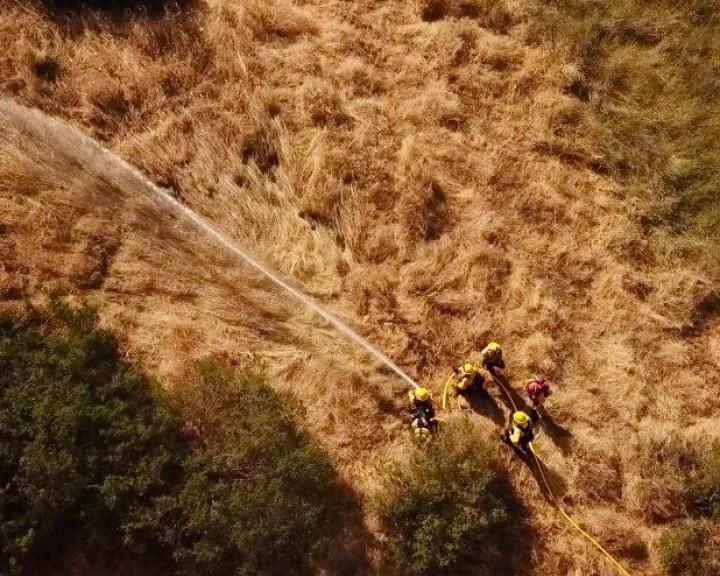
That collaborative approach was on full display during a prescribed burn at Mail Ridge this spring. Over three days, more than 45 firefighters from Southern Humboldt volunteer departments worked twelve-hour shifts conducting prescribed fire across 140 acres as part of a forest health project. CAL FIRE contributed engines, hand crews, aviation resources, and command staff. Native Cultural Resource Advisors helped identify and protect culturally significant sites. Behind the scenes, weeks of planning, coordination, and logistics made the operation possible, and as is becoming more frequently the case, everyone involved was earning a good paycheck. Roomets:
"It felt really good to see it coming together is powerful, to know that the support from RRRISE helped make it happen... it has been the funding glue that's brought us all together."
For Roomets, the prescribed burn represented more than a successful project. It demonstrated what becomes possible when organizations have the time, relationships, and capacity to plan together. Fire agencies, Tribal partners, restoration organizations, and state resources were all working toward the same goal, each contributing different expertise.
The prescribed burn also reflected another challenge the partnership is helping address. Volunteer fire departments across the rural Redwood Region have struggled to recruit new members as long-time volunteers retire. Several departments in Southern Humboldt had dwindled to just one or two active firefighters, with some facing the possibility of closing their doors altogether. By creating new training opportunities and career pathways, partners are helping rebuild that local capacity while preparing the next generation of firefighters and restoration practitioners.
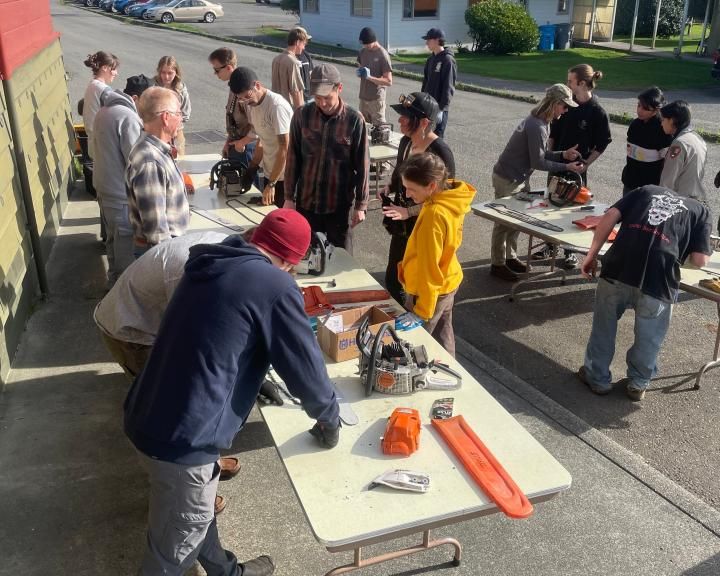
Early Results Are Building Momentum
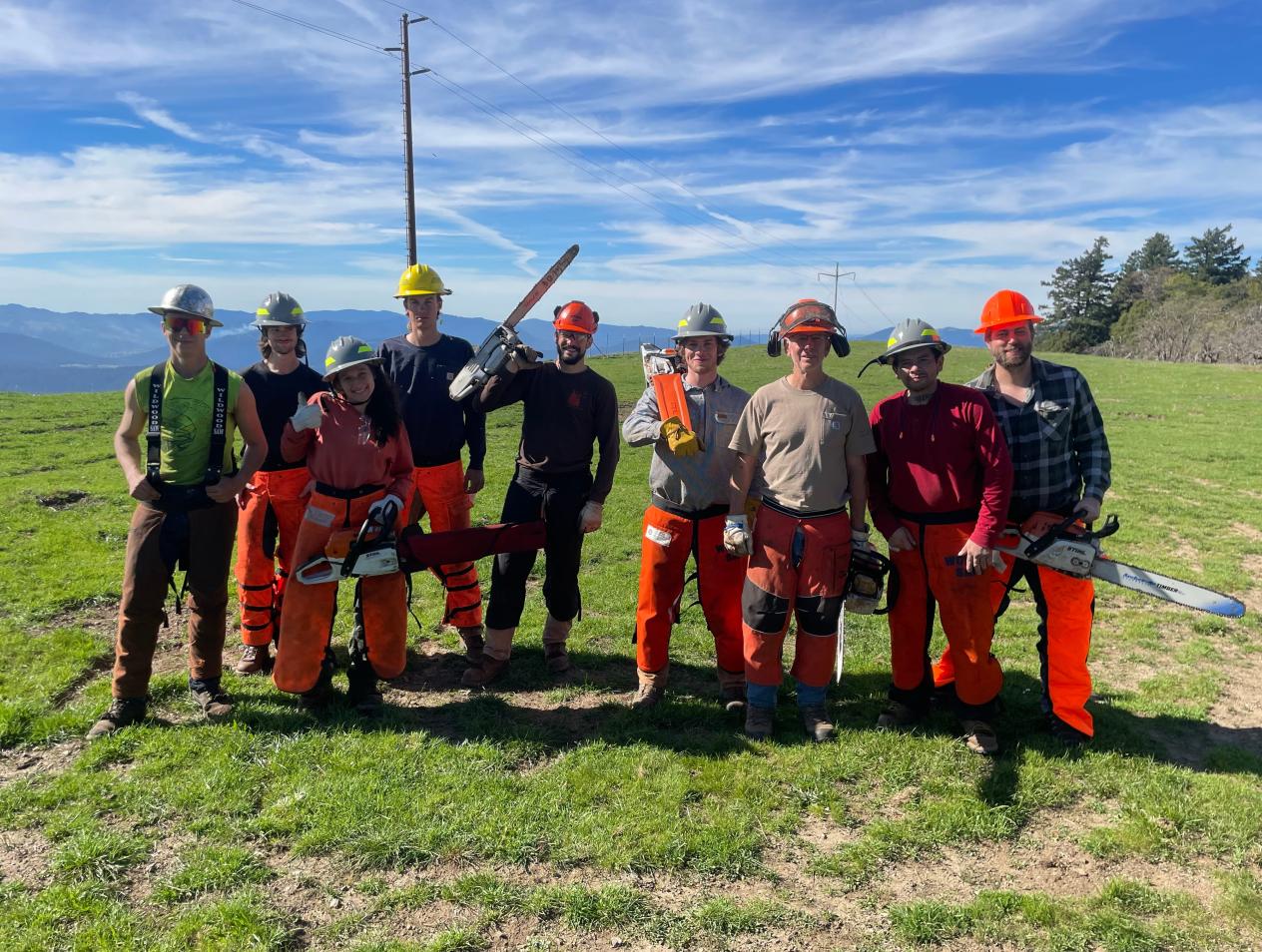
This year, Career Pathways has supported 182 RT-130 firefighter certifications and during this grant period has certified 478 firefighters, prescribed fire practitioners, weather personnel, and other emergency response partners in courses including: Resource Advising, Field Observation and Fire Effects Monitoring, Intermediate Fire Weather, Chainsaw Operations, Wildland Firefighter Academy, and Engine Boss Academy. The partnership has also expanded fisheries and restoration workforce training through Dual-Frequency Identification Sonar (DIDSON) sonar deployment and swift water rescue certification, established a three-month Early Career Internship program, helped develop three regional training and research facilities, and hired a Community Equity Coordinator to help connect more Tribal and rural residents with workforce opportunities. Additionally, the Rural Resilience Partnership has supported cultural trainings in Tule weaving, basket making, redwood canoe carving, and cultural fire, attended by over 100 Native participants centering focus on Native people’s inherent relationship to the land.
Another milestone came in December 2025, when Southern Humboldt Fire & Rescue officially became a Joint Powers Authority. What began as an idea supported largely through volunteer effort is now a permanent regional institution capable of coordinating training, sharing resources, pursuing new funding opportunities, and supporting workforce development across thirteen participating rural fire agencies.
For Damien Roomets, those accomplishments are important because they create opportunities for local people to better learn how to serve their place and build careers without leaving the communities they call home.
Tucker is one example. Growing up in Briceland, he joined a local fire department's Explorer program in high school, allowing him to pursue fire training for a career in the fire service. After completing his training this year, he was hired onto the Briceland Fire Fuels Crew, soon to be the Southern Humboldt Fire & Rescue Fuels Crew, while continuing to build a career in the community where he grew up.
"Having that training and the refreshers have made it so I could pursue a career in this and feel confident in the knowledge and skills that I have going in. I feel better doing it for the community I've been in for so long than anywhere else"
Roomets describes Tucker as "a glowing example of what we're hoping to accomplish"—a young person who can build a meaningful career while helping strengthen the community that raised him.
The same approach is creating opportunities in watershed restoration and fisheries.
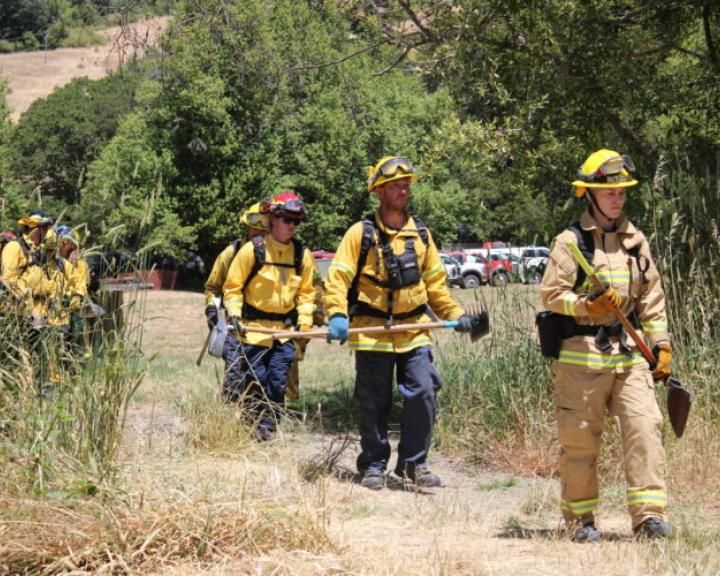
Growing the Next Generation of Stewards
Autumn, a Karuk Tribal member who first participated in Mid Klamath Watershed Council youth programs as a child, now rotates through native plants, fire and forestry, and fisheries as part of the Early Career Internship program. Autumn:
"I've never really had a job different from this one. I've always done work in the forest."
For Carol Earnest, Associate Director of Mid Klamath Watershed Council, one moment captured the value of that experience. During a visit to Cal Poly Humboldt, one young fisheries technician who had spent years monitoring streams upstream of a natural fish barrier held a juvenile green sturgeon for the first time. Earnest recalled just how happy the fisheries technician was in that moment. For Earnest, experiences like that are about more than technical training. They help young people imagine new educational pathways, build confidence, and see futures that may have previously felt out of reach.
Investing in Collaboration Unlocks Opportunity
Career Pathways is helping prepare workers for projects that are already reshaping the region.
Working alongside the Humboldt County Resource Conservation District, the partnership helped secure a $9.8 million USDA Community Wildfire Defense Grant supporting fuels reduction, prescribed fire, and community safety work. Combined with additional state and local investments—including a $7 million Mail Ridge forest health project and a $6.2 million wildfire resilience project serving more than 500 homes in Shelter Cove—the partnership is helping support more than $40 million in restoration and resilience work across the region.
When Career Pathways received Catalyst funding through Redwood Region RISE, Southern Humboldt Fire & Rescue was still an idea supported largely through volunteer effort. There was no formal regional fire authority, little dedicated staff time, and no sustainable structure for coordinating workforce development across participating agencies.
Catalytic investment through RRRISE helped change that by giving partners the time and capacity to build governance structures, coordinate trainings, develop operational systems, and strengthen relationships across organizations. As Roomets explained, that support became the "funding glue" that allowed long-standing partnerships to grow into lasting regional institutions.
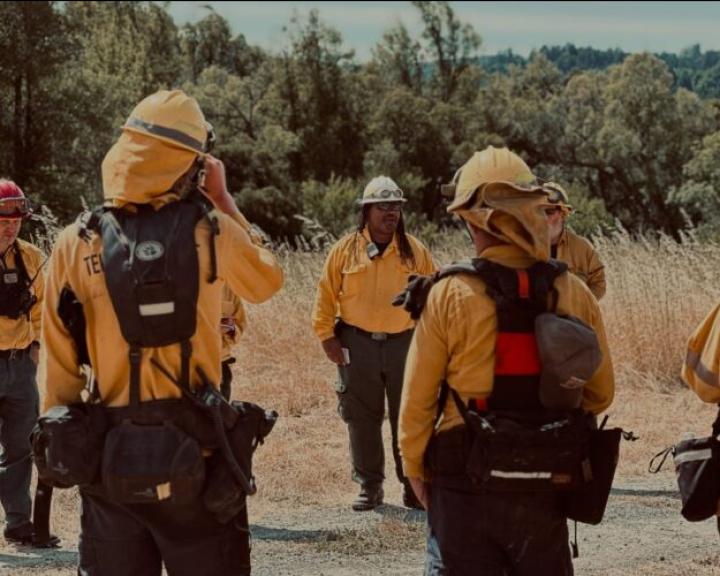
Building Lasting Regional Capacity
Today, Southern Humboldt Fire & Rescue has a Board of Directors, is establishing its own financial systems, and is positioned to pursue additional funding while supporting year-round workforce development across the region.
That collaborative approach continues to shape how partners work together. When the Mattole Restoration Council was running short on time to fully utilize a CAL FIRE Workforce Development Grant before the deadline, it partnered with Southern Humboldt Fire & Rescue so prescribed fire trainings could continue, ensuring resources continued benefiting the region rather than sitting unused.
The impact is already being felt across Southern Humboldt. Regional strike teams coordinated through Southern Humboldt Fire & Rescue brought approximately $1 million back into the local economy last year while supporting wildfire response across California. At least one volunteer fire department that had been on the verge of shutting down has rebuilt its roster, and others are beginning to grow as new training opportunities become available.
Looking Ahead
As investment in climate resilience and forest restoration continues to grow, Career Pathways is helping ensure those opportunities stay rooted in the Redwood Region.
By investing in local people, regional partnerships, and long-term capacity, the initiative is preparing communities not only to respond to today's challenges, but to lead the work of restoring and stewarding the region's forests, watersheds, and working lands for generations to come. For the latest, follow Trees Foundation’s Rural Resilience Partnership.

Career Pathways: Fire, Forest, Fish & Facilities is led by Trees Foundation in collaboration with Mid Klamath Watershed Council, Mattole Restoration Council, Mattole Salmon Group, Mattole Valley Community Center, Native Health in Native Hands, Northern Mendocino – Ecosystem Recovery Alliance, Southern Humboldt Fire & Rescue, Tribal EcoRestoration Alliance, Tribal governments, workforce organizations, educational institutions, and additional regional partners. The initiative was selected as a Catalyst Awardee by the Redwood Region RISE Collaborative, funded through California Jobs First and convened by North Edge and the California Center for Rural Policy at Cal Poly Humboldt.
Navigate Back to Resource Hub
Explore other Redwood Region RISE resources