


Breadcrumb
Elements of Learning
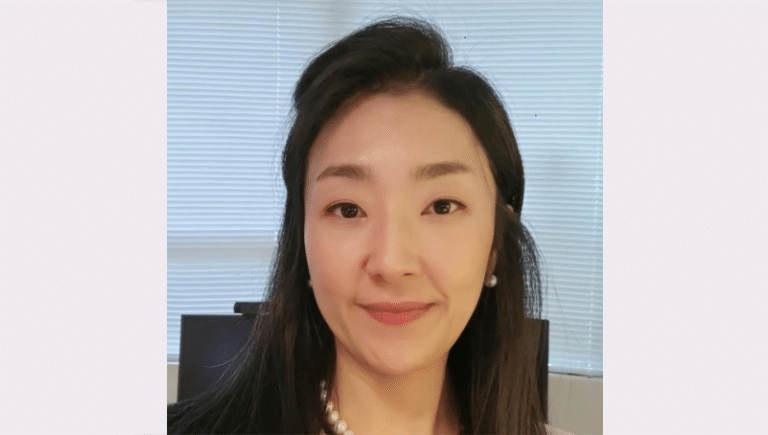
JuEun Lee
Advancing Engineering Education Through Hands-On Learning and Open Educational Resources
In this presentation, Dr. JuEun Lee explores how hands-on engineering experiences can bridge the gap between theory and practice, fostering curiosity and deeper understanding. Drawing on real-world manufacturing challenges, she demonstrates how image processing and an innovative, nondestructive molding technique can make complex engineering problems accessible to student exploration. She also highlights her freely available engineering textbooks and instructional videos, which support self-paced learning, reduce financial barriers, and expand access to engineering education.
Supplemental Instruction
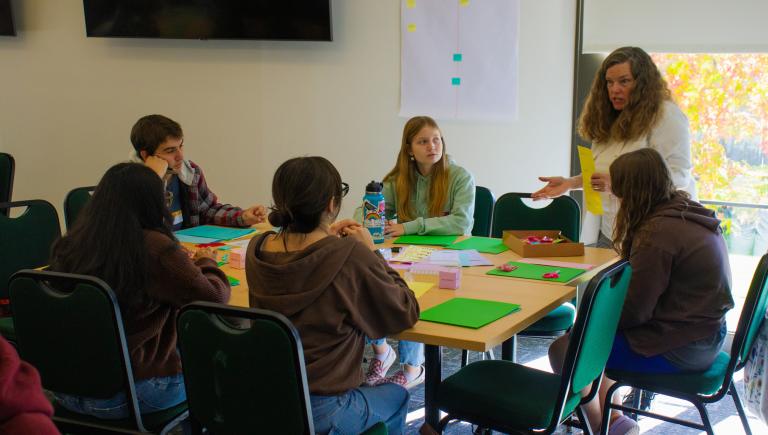
The Supplemental Instruction Program (SI) offers a variety of 1-unit CR/NC classes open to all students who would like to be a part of an engaging, organized, and friendly environment to review course content. Held twice weekly from the first week of the semester, this research-supported approach shows that students who receive credit in SI earn higher grades.
Interactive self-checks in Canvas
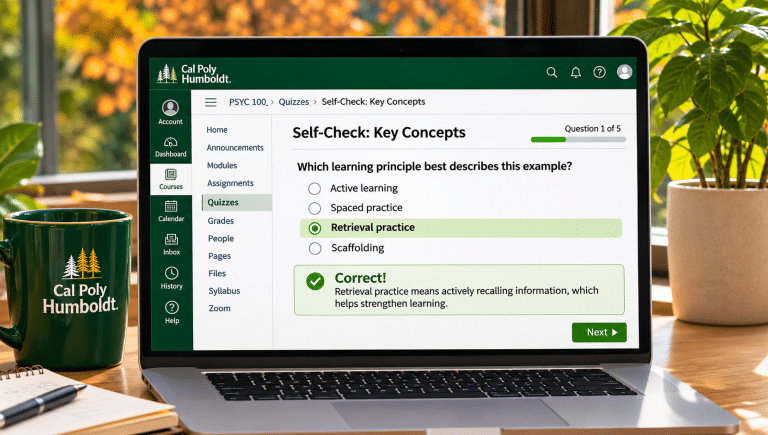
Roxie Christensen and Elise Hazel created this series of quick how-to videos on using interactive tools in Canvas through DesignPLUS. In each short video, you’ll learn simple ways to make learning more active and engaging, from quick checks for understanding to interactive flashcards.
The Learning Center
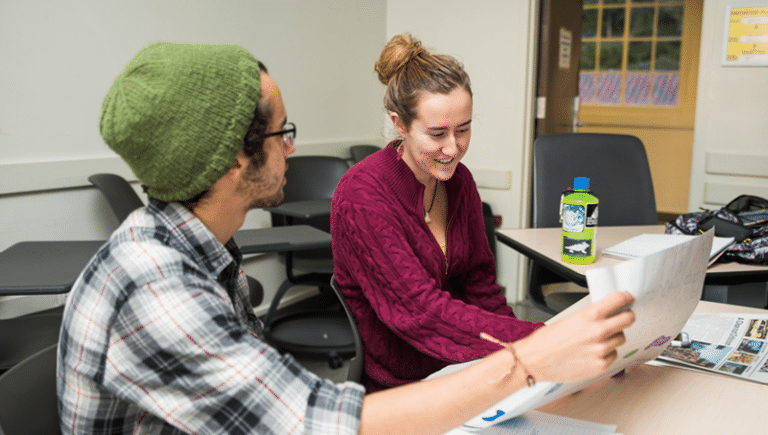
The Learning Center advances student learning, achievement, and metacognitive development through collaborative peer learning and professional staff support.
Jianmin Zhong
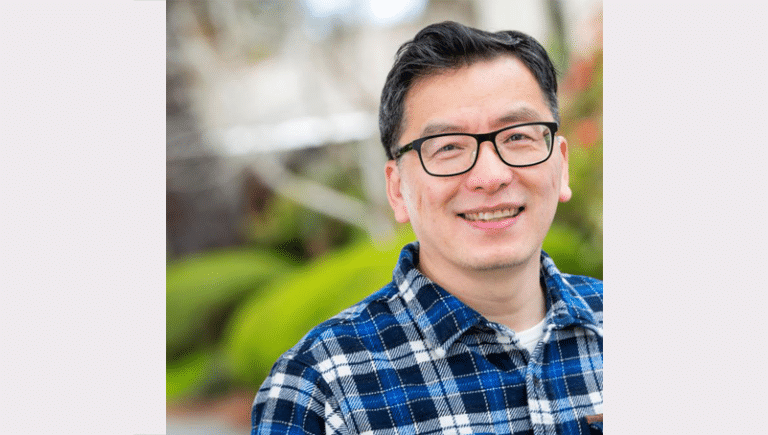
Our project, funded by the National Institutes of Health, studies 11 tick-borne pathogens in northwestern California, pathogens that can cause disease. We’re doing this work with the Karuk Tribe, the California Department of Public Health, the Cal Poly Humboldt Vertebrate Museum, and the Integral Ecology Research Center. Our goal is to help protect rural and Tribal Communities.
For students, this research is a chance to learn science by doing it. Over the four-year project period, our plan is to support 18 Cal Poly Humboldt students, including 12 undergraduates and six graduate students. They’ll gain hands-on experience in studying diseases that affect animals and people, collecting wildlife and tick samples, and using lab assays to identify germs. Students will also develop skills beyond the lab.