





Breadcrumb
People & Partners
Steering Committee
Partners

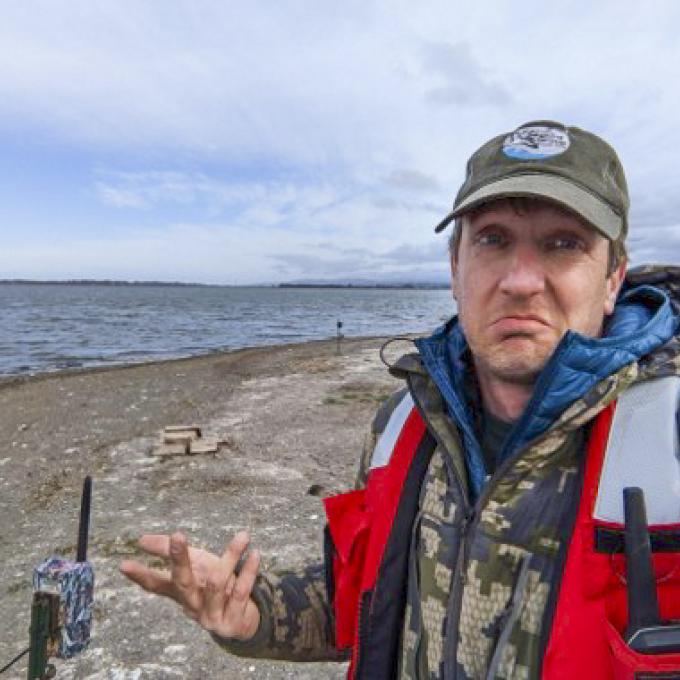
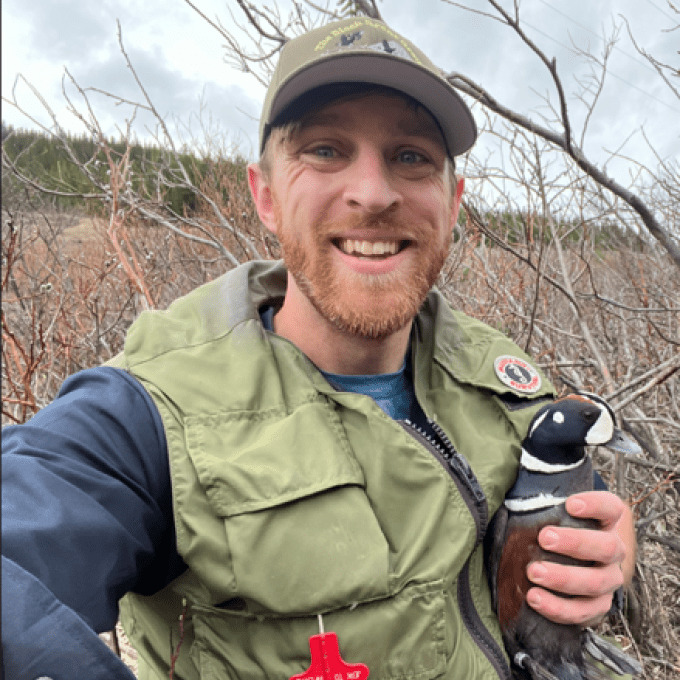
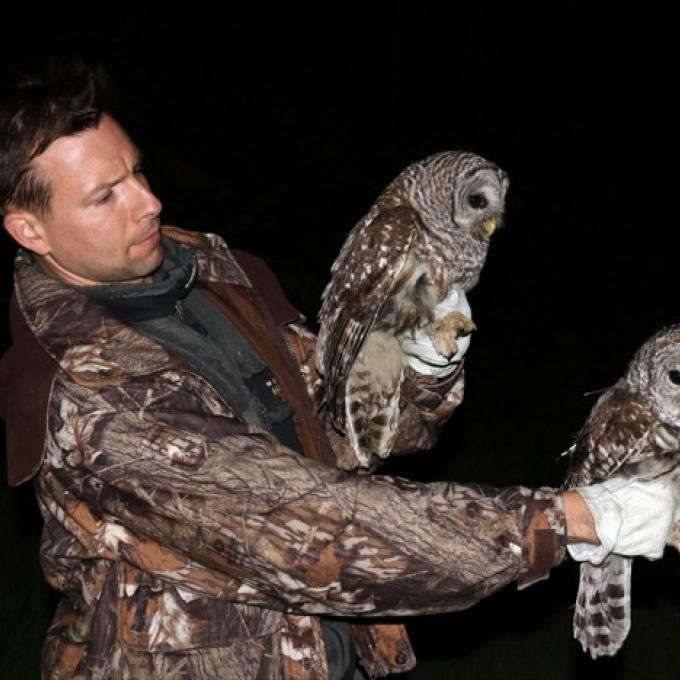
IERC is a non-profit organization dedicated to the research and conservation of wildlife and their ecosystems. Founded in 2004, IERC has conducted and continues research on several sensitive wildlife species, with the ultimate goal of providing knowledge and understanding towards the conservation of these species and their habitats.
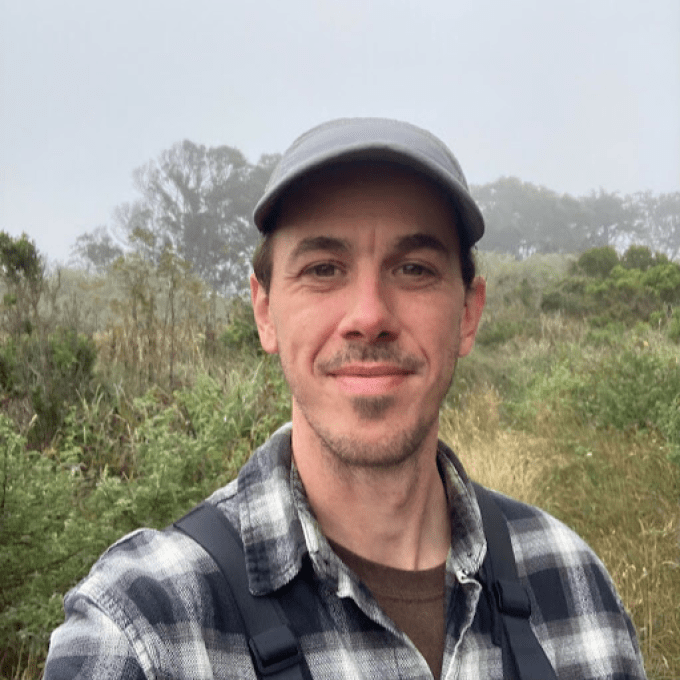
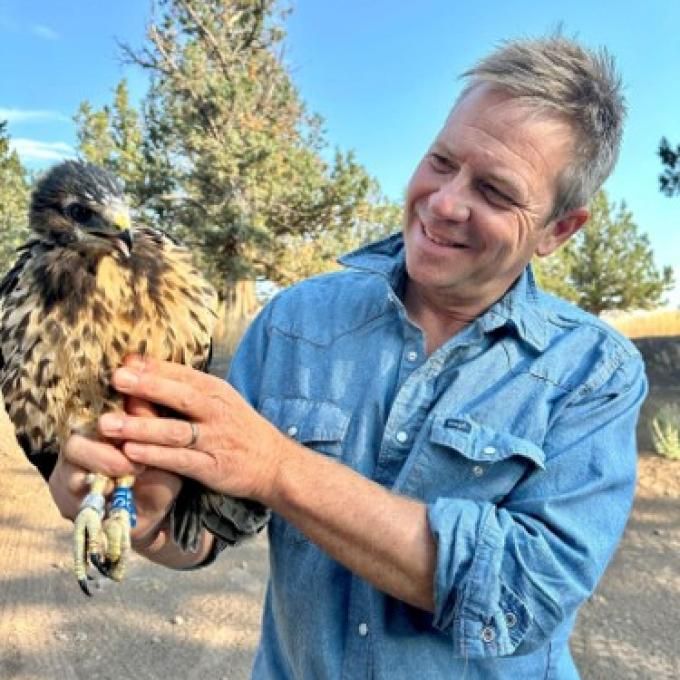
Klamath Bird Observatory is a non-profit organization that achieves bird conservation in the Pacific Northwest and throughout the ranges of our migratory birds. Emphasizing high-caliber science and the role of birds as indicators, we inform and improve natural resource management.
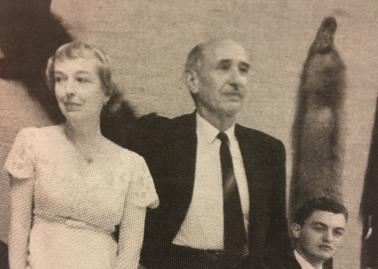
History of Ornithology at Cal Poly Humboldt
For more than eight decades, Cal Poly Humboldt has been a center for ornithology on California's North Coast. What began as a program focused largely on game bird management has evolved into an internationally recognized tradition of research, conservation, and field-based education spanning every aspect of avian biology.
The roots of this tradition extend to the founding of the Wildlife Department in 1940, when the California Department of Fish and Game partnered with Humboldt to establish facilities for raising game birds for conservation and management. At the same time, the University's broader vision for natural resources education was shaped by pioneers such as Hortense Lanphere, whose leadership in developing natural resources programs helped lay the foundation for conservation education on campus. Today, the Lanphere Dunes Unit of the Humboldt Bay National Wildlife Refuge stands as a lasting tribute to her legacy.
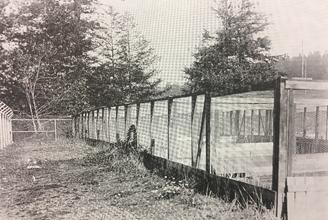
The University's first Ornithology course was offered in 1941 and quickly became a cornerstone of the curriculum. From the beginning, students learned birds by observing them in the field—a philosophy that remains central to ornithological education at Cal Poly Humboldt. The remarkable diversity of habitats surrounding campus, from ancient redwood forests and offshore islands to Humboldt Bay wetlands and Pacific beaches, has long served as an unparalleled outdoor laboratory.
A defining chapter in Humboldt's ornithological history began with the arrival of Dr. Stanley "Doc" Harris in 1959. Harris transformed ornithology at Humboldt by expanding the University's teaching collections, developing new courses in ornithology and bird identification, and establishing long-term bird banding projects, including studies of storm-petrels and Band-tailed Pigeons. Beyond the classroom, he inspired generations of students and helped cultivate what would become one of the most active birding communities in California. His book, Northwestern California Birds, remains an important reference for the region and helped establish northwest California as a premier destination for birders.
The 1960s through the 1980s marked a golden era for California birding, as observers across the state documented rare birds and dramatically expanded knowledge of migration and vagrancy. Humboldt County became one of the epicenters of this movement. Visiting birders, local naturalists, and Humboldt students explored the region's exceptional diversity, a period immortalized in Kenn Kaufman's Kingbird Highway. This vibrant birding culture attracted aspiring ornithologists from across North America and strengthened the University's growing reputation for avian science.
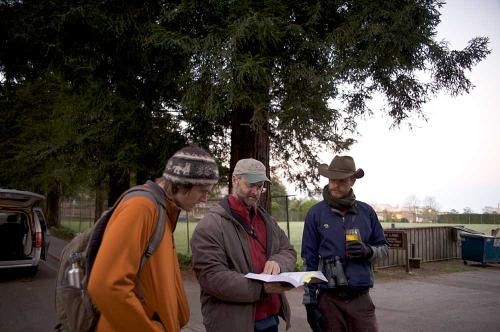
As ornithology expanded beyond game management, Cal Poly Humboldt became home to a remarkable group of faculty whose research helped shape modern avian ecology and conservation. Dr. R. J. "Rocky" Gutiérrez conducted pioneering research on the ecology and conservation of the Northern Spotted Owl, work that played a major role in understanding the species and informing the science that underpinned its listing as Threatened under the U.S. Endangered Species Act. Beginning in 1989, Dr. Mark Colwell built one of North America's leading shorebird research programs. His long-term studies of Humboldt Bay shorebirds and the recovery of the Western Snowy Plover established the region as one of the Pacific Flyway's most important sites for shorebird research and conservation while mentoring dozens of undergraduate and graduate students who have gone on to careers in research, conservation, and wildlife management. Dr. Jeff Black developed an internationally recognized research program on avian behavior and waterfowl ecology, with influential studies of geese, lifelong pair bonds and monogamy in birds, and the behavioral ecology of Steller's Jays. Together, their research broadened Humboldt's reputation from regional bird studies to internationally recognized work in conservation biology and behavioral ecology.
The North Coast also emerged as a center for long-term bird monitoring. After moving to Humboldt County in the early 1980s to work as a research wildlife ecologist for the US Forest Service's Redwood Sciences Lab, Dr. C. John Ralph founded the Humboldt Bay Bird Observatory (HBBO) in 1984. Through his leadership in bird banding and migration monitoring, Ralph helped develop standardized field methods that are now used around the world while providing generations of Humboldt students with unparalleled training in avian field techniques. With CJ's retirement in 2024, sought to continue his legacy, and with the generous support of Bill and Kimberly Rich, bird banding continues at HBBO today.
Today, Cal Poly Humboldt continues this tradition through research on avian ecology, behavior, migration, conservation, and wildlife management conducted across California and around the world. Grounded in exceptional field opportunities and a long history of scientific discovery, the University's ornithology program remains one of the premier places in the western United States to study birds and prepare the next generation of ornithologists.