

Breadcrumb
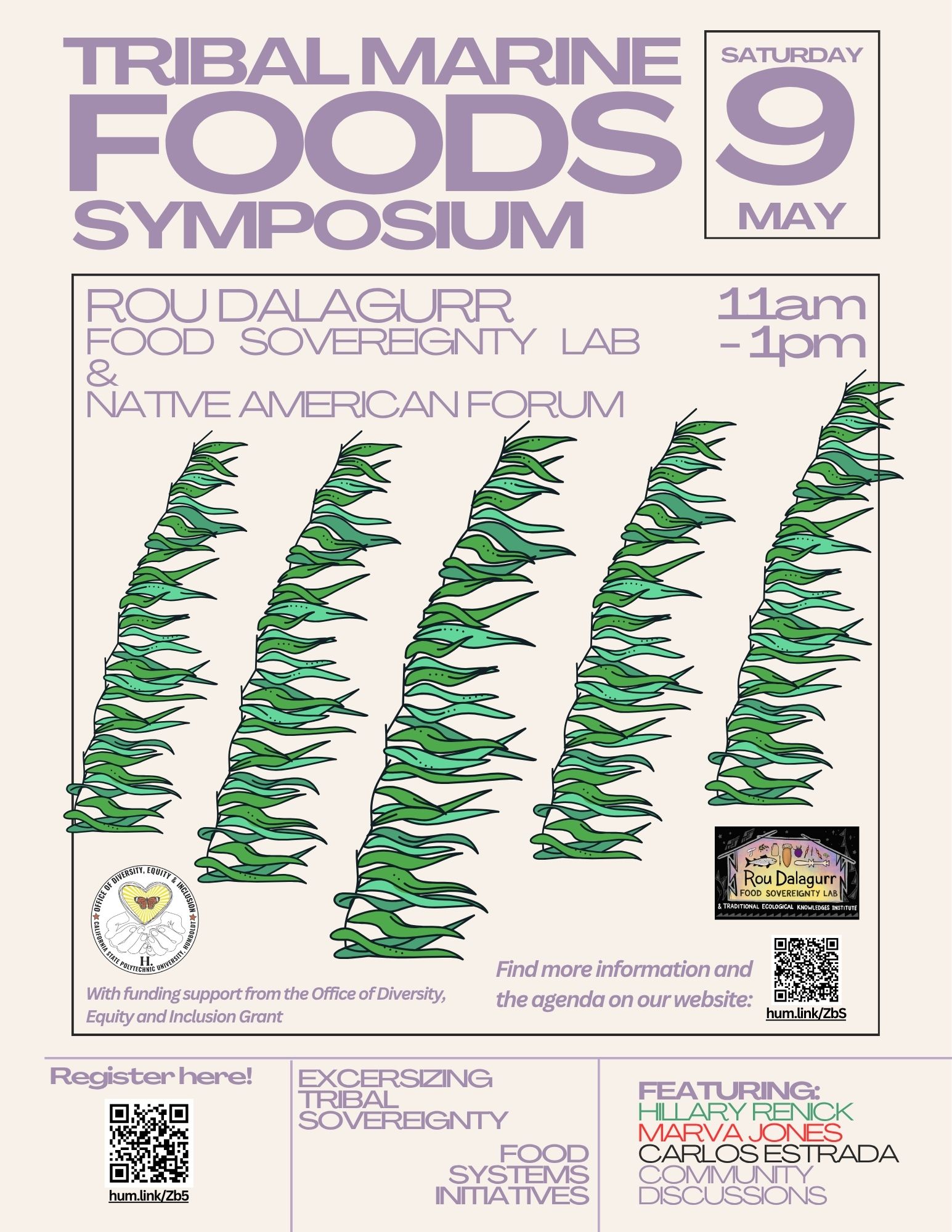
Tribal Marine Foods Symposium
Tribal Marine Foods Symposium
Date: Saturday, May 9, 2026
Time: 11am - 1pm
Location: Native American Forum & the Rou Dalagurr: Food Sovereignty Lab & Traditional Ecological Knowledges Institute
Food Systems Initiatives. Exercising Tribal Sovereignty. Featuring two speakers, community, and discussions.
For more information, contact nasfsl@humboldt.edu.
REGISTER HERE: hum.link/Zb5
Agenda for Tribal Marine Foods Symposium
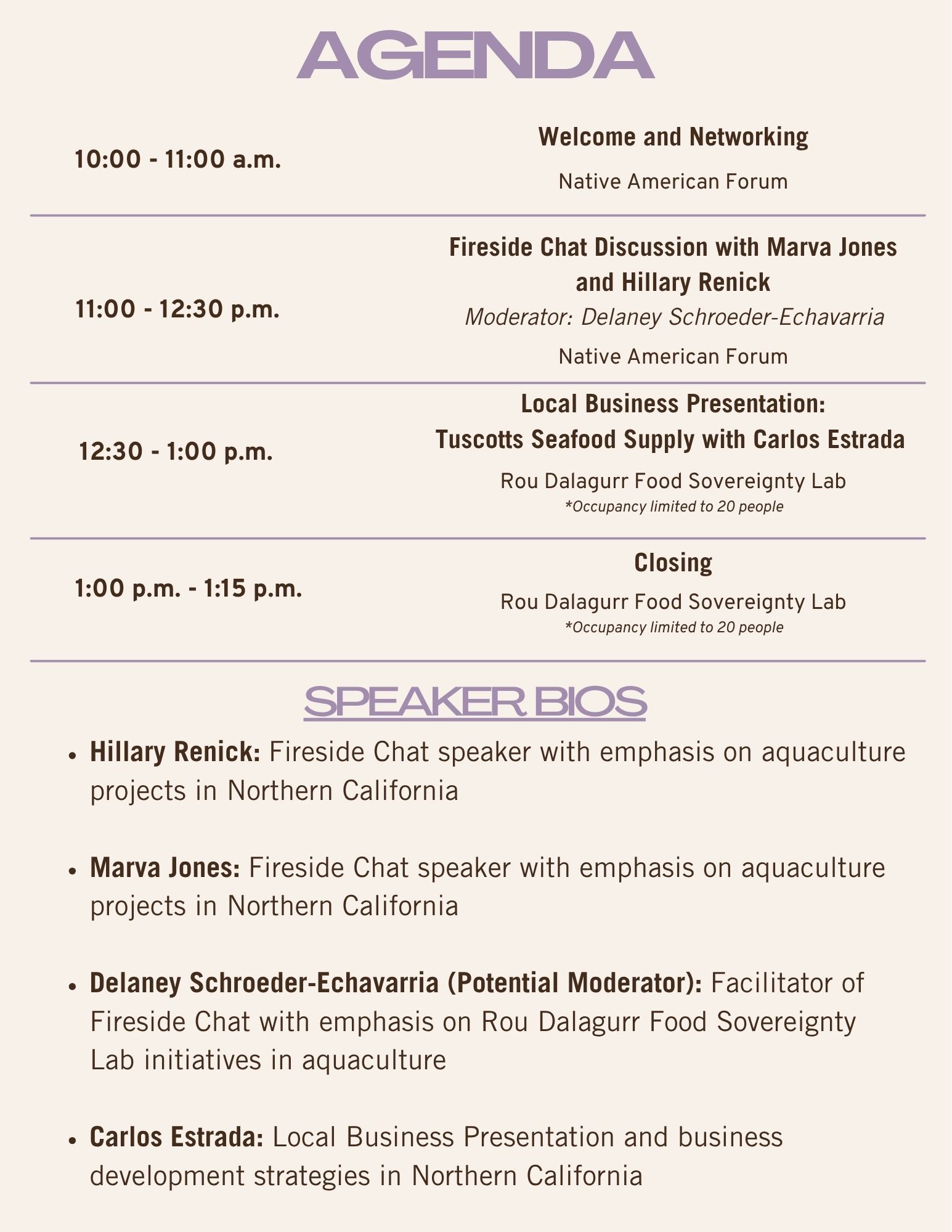
Welcome and Networking
- Time:10:00 - 11:00 a.m.
- Location: Native American Forum
Fireside Chat Discussion with Marva Jones and Hillary Renick
Moderator: Delaney Schroeder-Echavarria
- Time:11:00 - 12:30 p.m.
- Location: Native American Forum
Local Business Presentation:
Tuscotts Seafood Supply with Carlos Estrada
- Time: 12:30 - 1:00 p.m.
Location: Rou Dalagurr Food Sovereignty Lab
*Occupancy limited to 20 people
Closing
- Time: 1:00 p.m. - 1:15 p.m.
- Location: Rou Dalagurr Food Sovereignty Lab
*Occupancy limited to 20 people
Speaker Bios:
Hillary Renick: Fireside Chat speaker with emphasis on aquaculture projects in Northern California
Marva Jones: Fireside Chat speaker with emphasis on aquaculture projects in Northern California
Delaney Schroeder-Echavarria (Potential Moderator): Facilitator of Fireside Chat with emphasis on Rou Dalagurr Food Sovereignty Lab initiatives in aquaculture
Carlos Estrada: Local Business Presentation and business development strategies in Northern California
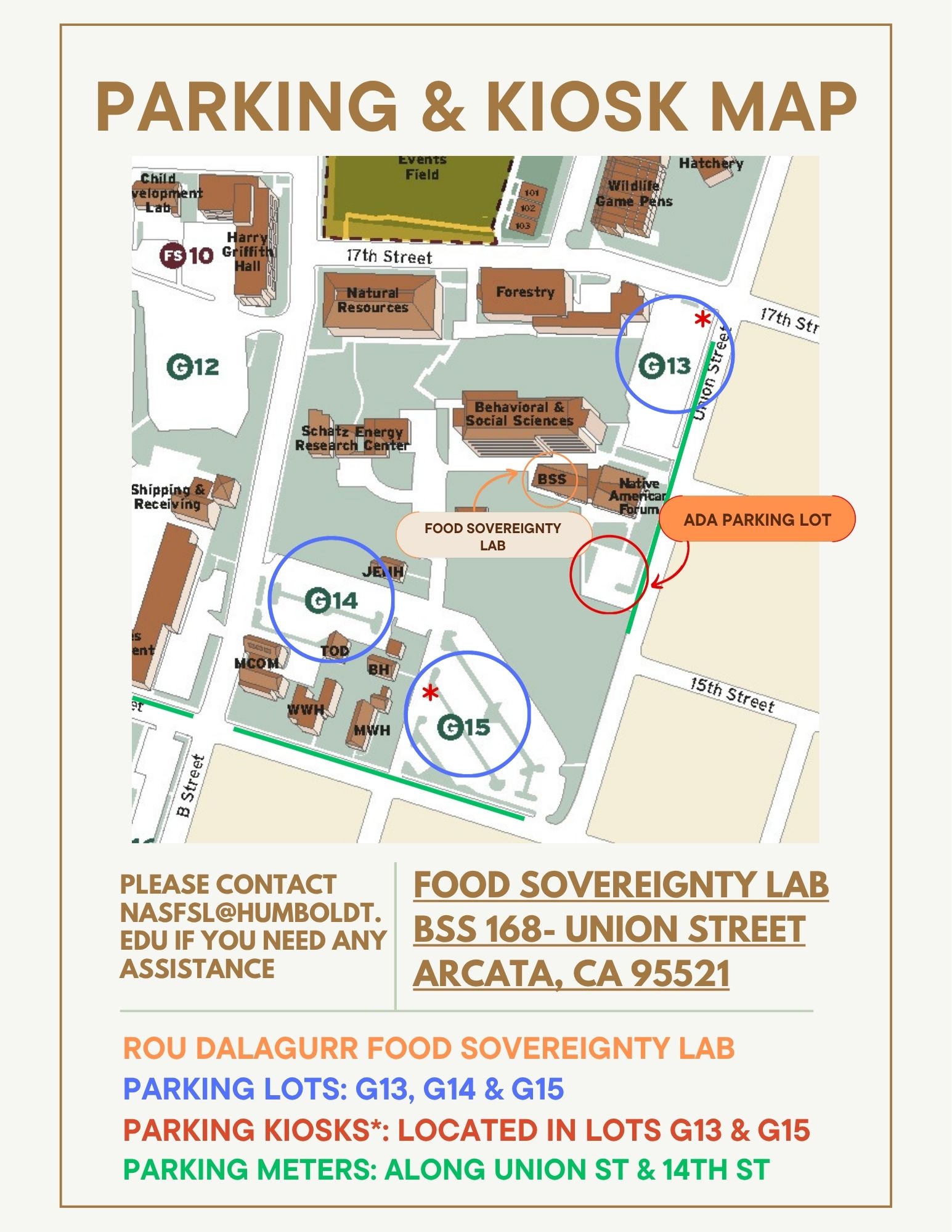
Native American Forum & FSL Location
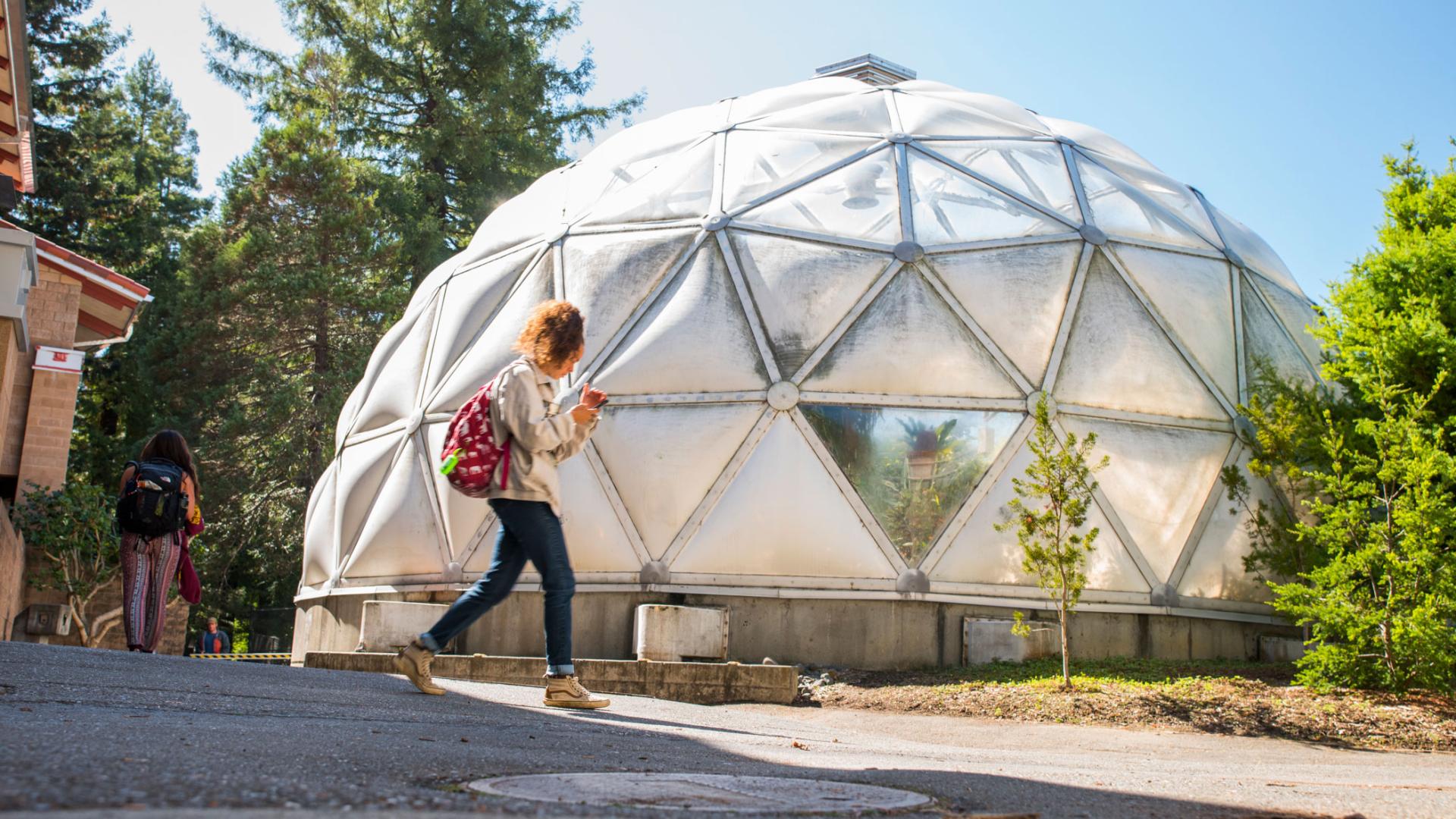
The Native American Forum and the Rou Dalagurr: Food Sovereignty Lab & Traditional Ecological Knowledges Institute are located next to one another in Wiyot Plaza, across from the Behavioral & Social Sciences building.
Hillary Renick
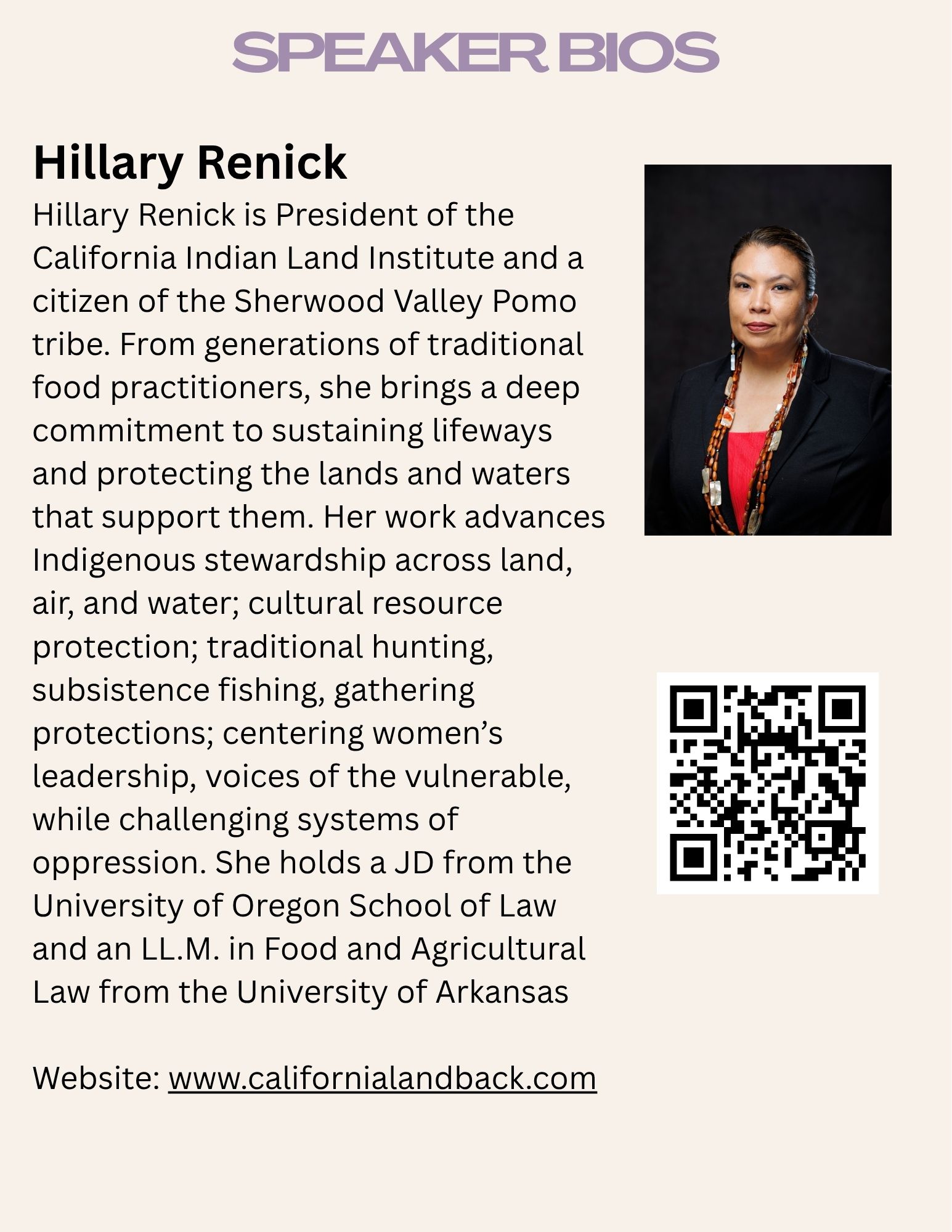
Hillary Renick is President of the California Indian Land Institute and a citizen of the Sherwood Valley Pomo tribe. From generations of traditional food practitioners, she brings a deep commitment to sustaining lifeways and protecting the lands and waters that support them. Her work advances Indigenous stewardship across land, air, and water; cultural resource protection; traditional hunting, subsistence fishing, gathering protections; centering women’s leadership, voices of the vulnerable, while challenging systems of oppression. She holds a JD from the University of Oregon School of Law and an LL.M. in Food and Agricultural Law from the University of Arkansas
Website: www.californialandback.com
Marva Jones
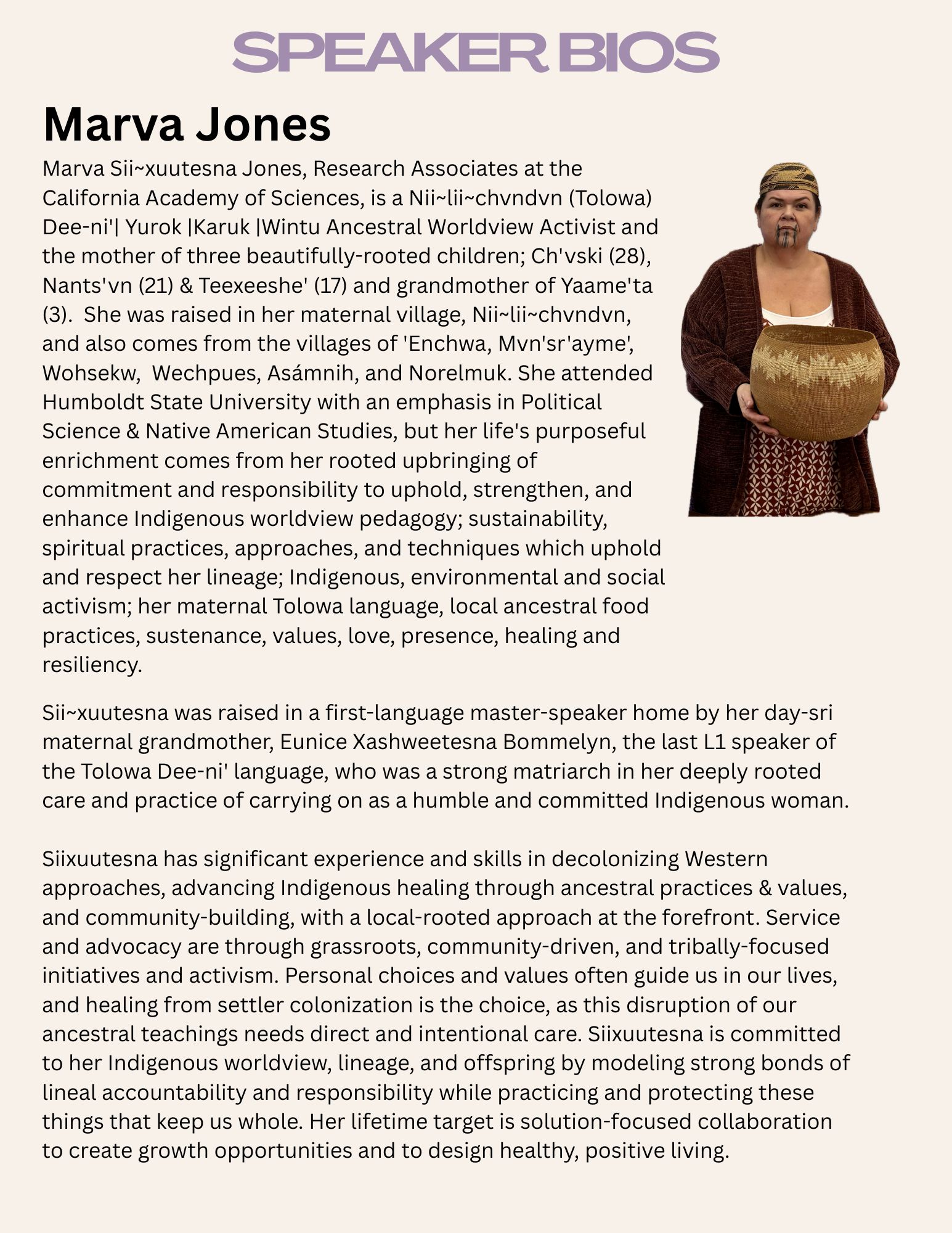
Marva Sii~xuutesna Jones, Research Associates at the California Academy of Sciences, is a Nii~lii~chvndvn (Tolowa) Dee-ni'| Yurok |Karuk |Wintu Ancestral Worldview Activist and the mother of three beautifully-rooted children; Ch'vski (28), Nants'vn (21) & Teexeeshe' (17) and grandmother of Yaame'ta (3). She was raised in her maternal village, Nii~lii~chvndvn, and also comes from the villages of 'Enchwa, Mvn'sr'ayme', Wohsekw, Wechpues, Asámnih, and Norelmuk. She attended Humboldt State University with an emphasis in Political Science & Native American Studies, but her life's purposeful enrichment comes from her rooted upbringing of commitment and responsibility to uphold, strengthen, and enhance Indigenous worldview pedagogy; sustainability, spiritual practices, approaches, and techniques which uphold and respect her lineage; Indigenous, environmental and social activism; her maternal Tolowa language, local ancestral food practices, sustenance, values, love, presence, healing and resiliency.
Sii~xuutesna was raised in a first-language master-speaker home by her day-sri maternal grandmother, Eunice Xashweetesna Bommelyn, the last L1 speaker of the Tolowa Dee-ni' language, who was a strong matriarch in her deeply rooted care and practice of carrying on as a humble and committed Indigenous woman.
Siixuutesna has significant experience and skills in decolonizing Western approaches, advancing Indigenous healing through ancestral practices & values, and community-building, with a local-rooted approach at the forefront. Service and advocacy are through grassroots, community-driven, and tribally-focused initiatives and activism. Personal choices and values often guide us in our lives, and healing from settler colonization is the choice, as this disruption of our ancestral teachings needs direct and intentional care. Siixuutesna is committed to her Indigenous worldview, lineage, and offspring by modeling strong bonds of lineal accountability and responsibility while practicing and protecting these things that keep us whole. Her lifetime target is solution-focused collaboration to create growth opportunities and to design healthy, positive living.
Carlos Estrada
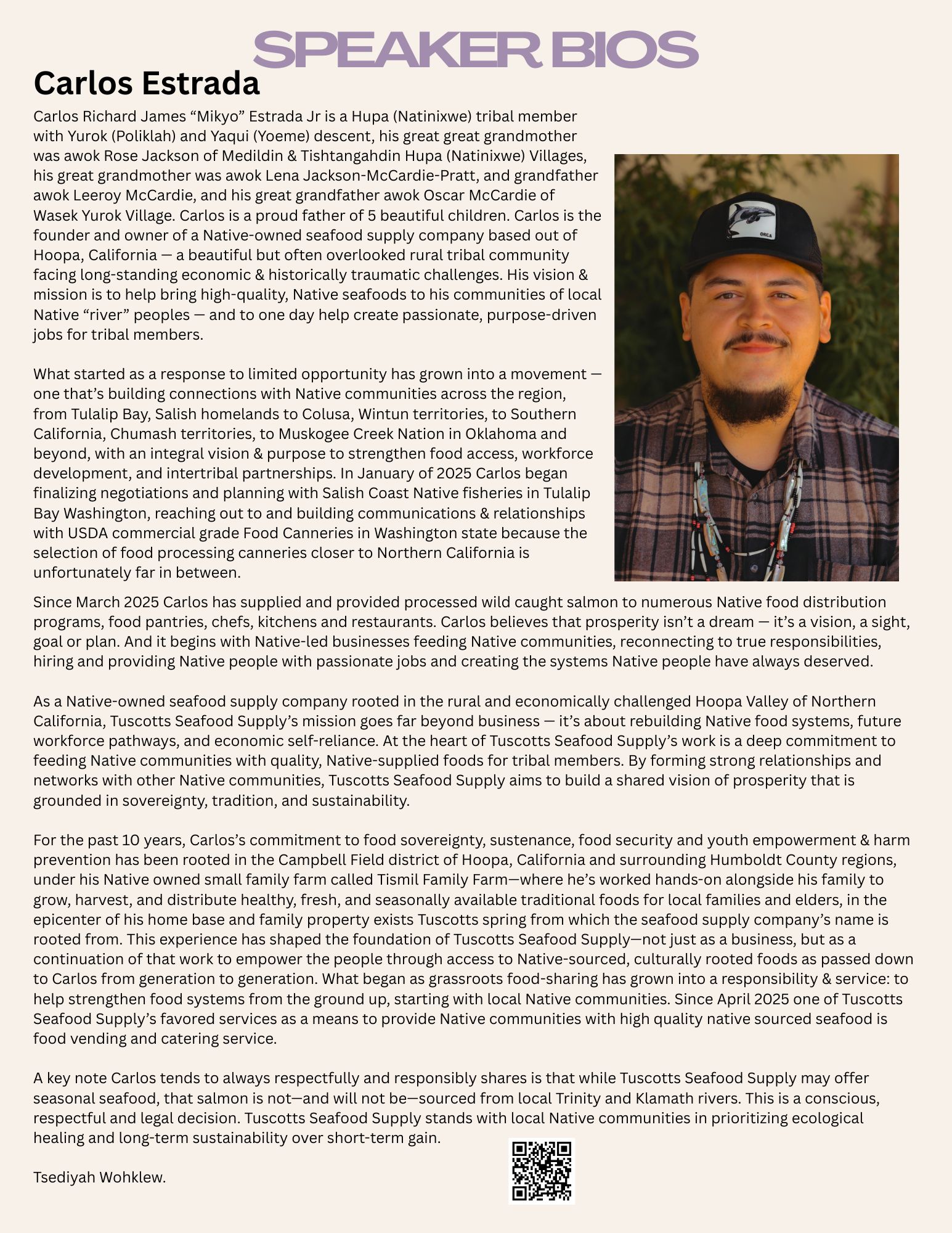
Carlos Richard James “Mikyo” Estrada Jr is a Hupa (Natinixwe) tribal member with Yurok (Poliklah) and Yaqui (Yoeme) descent, his great great grandmother was awok Rose Jackson of Medildin & Tishtangahdin Hupa (Natinixwe) Villages, his great grandmother was awok Lena Jackson-McCardie-Pratt, and grandfather awok Leeroy McCardie, and his great grandfather awok Oscar McCardie of Wasek Yurok Village. Carlos is a proud father of 5 beautiful children. Carlos is the founder and owner of a Native-owned seafood supply company based out of Hoopa, California — a beautiful but often overlooked rural tribal community facing long-standing economic & historically traumatic challenges. His vision & mission is to help bring high-quality, Native seafoods to his communities of local Native “river” peoples — and to one day help create passionate, purpose-driven jobs for tribal members.
What started as a response to limited opportunity has grown into a movement — one that’s building connections with Native communities across the region, from Tulalip Bay, Salish homelands to Colusa, Wintun territories, to Southern California, Chumash territories, to Muskogee Creek Nation in Oklahoma and beyond, with an integral vision & purpose to strengthen food access, workforce development, and intertribal partnerships. In January of 2025 Carlos began finalizing negotiations and planning with Salish Coast Native fisheries in Tulalip Bay Washington, reaching out to and building communications & relationships with USDA commercial grade Food Canneries in Washington state because the selection of food processing canneries closer to Northern California is unfortunately far in between.
Since March 2025 Carlos has supplied and provided processed wild caught salmon to numerous Native food distribution programs, food pantries, chefs, kitchens and restaurants. Carlos believes that prosperity isn’t a dream — it’s a vision, a sight, goal or plan. And it begins with Native-led businesses feeding Native communities, reconnecting to true responsibilities, hiring and providing Native people with passionate jobs and creating the systems Native people have always deserved.
As a Native-owned seafood supply company rooted in the rural and economically challenged Hoopa Valley of Northern California, Tuscotts Seafood Supply’s mission goes far beyond business — it’s about rebuilding Native food systems, future workforce pathways, and economic self-reliance. At the heart of Tuscotts Seafood Supply’s work is a deep commitment to feeding Native communities with quality, Native-supplied foods for tribal members. By forming strong relationships and networks with other Native communities, Tuscotts Seafood Supply aims to build a shared vision of prosperity that is grounded in sovereignty, tradition, and sustainability.
For the past 10 years, Carlos’s commitment to food sovereignty, sustenance, food security and youth empowerment & harm prevention has been rooted in the Campbell Field district of Hoopa, California and surrounding Humboldt County regions, under his Native owned small family farm called Tismil Family Farm—where he’s worked hands-on alongside his family to grow, harvest, and distribute healthy, fresh, and seasonally available traditional foods for local families and elders, in the epicenter of his home base and family property exists Tuscotts spring from which the seafood supply company’s name is rooted from. This experience has shaped the foundation of Tuscotts Seafood Supply—not just as a business, but as a continuation of that work to empower the people through access to Native-sourced, culturally rooted foods as passed down to Carlos from generation to generation. What began as grassroots food-sharing has grown into a responsibility & service: to help strengthen food systems from the ground up, starting with local Native communities. Since April 2025 one of Tuscotts Seafood Supply’s favored services as a means to provide Native communities with high quality native sourced seafood is food vending and catering service.
A key note Carlos tends to always respectfully and responsibly shares is that while Tuscotts Seafood Supply may offer seasonal seafood, that salmon is not—and will not be—sourced from local Trinity and Klamath rivers. This is a conscious, respectful and legal decision. Tuscotts Seafood Supply stands with local Native communities in prioritizing ecological healing and long-term sustainability over short-term gain.
Tsediyah Wohklew.
Delaney Schroeder-Echavarria (Moderator)
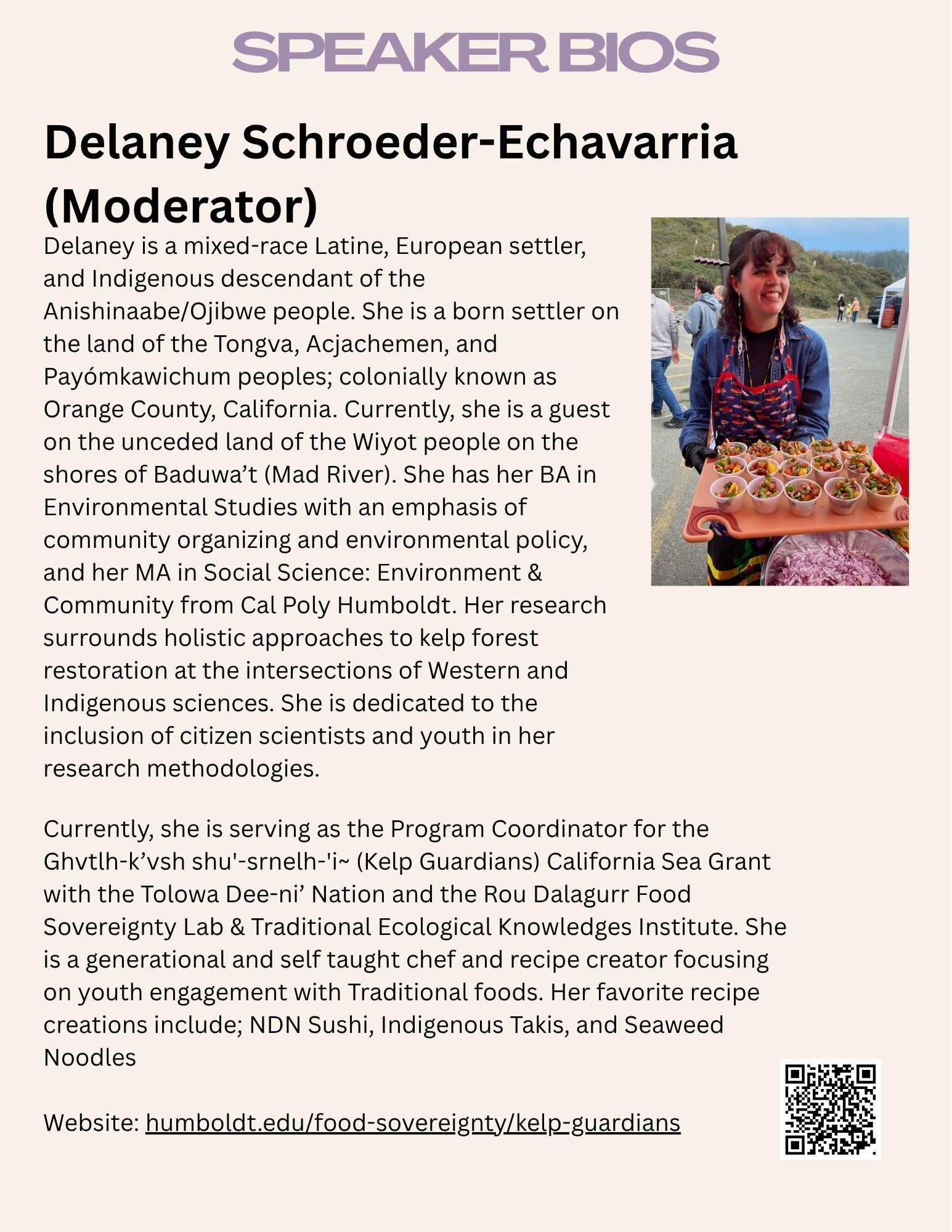
Delaney is a mixed-race Latine, European settler, and Indigenous descendant of the Anishinaabe/Ojibwe people. She is a born settler on the land of the Tongva, Acjachemen, and Payómkawichum peoples; colonially known as Orange County, California. Currently, she is a guest on the unceded land of the Wiyot people on the shores of Baduwa’t (Mad River). She has her BA in Environmental Studies with an emphasis of community organizing and environmental policy, and her MA in Social Science: Environment & Community from Cal Poly Humboldt. Her research surrounds holistic approaches to kelp forest restoration at the intersections of Western and Indigenous sciences. She is dedicated to the inclusion of citizen scientists and youth in her research methodologies.
Currently, she is serving as the Program Coordinator for the Ghvtlh-k’vsh shu'-srnelh-'i~ (Kelp Guardians) California Sea Grant with the Tolowa Dee-ni’ Nation and the Rou Dalagurr Food Sovereignty Lab & Traditional Ecological Knowledges Institute. She is a generational and self taught chef and recipe creator focusing on youth engagement with Traditional foods. Her favorite recipe creations include; NDN Sushi, Indigenous Takis, and Seaweed Noodles
Website: humboldt.edu/food-sovereignty/kelp-guardians