


Breadcrumb
Redwood Region RISE | 2026 Convening Follow-Up
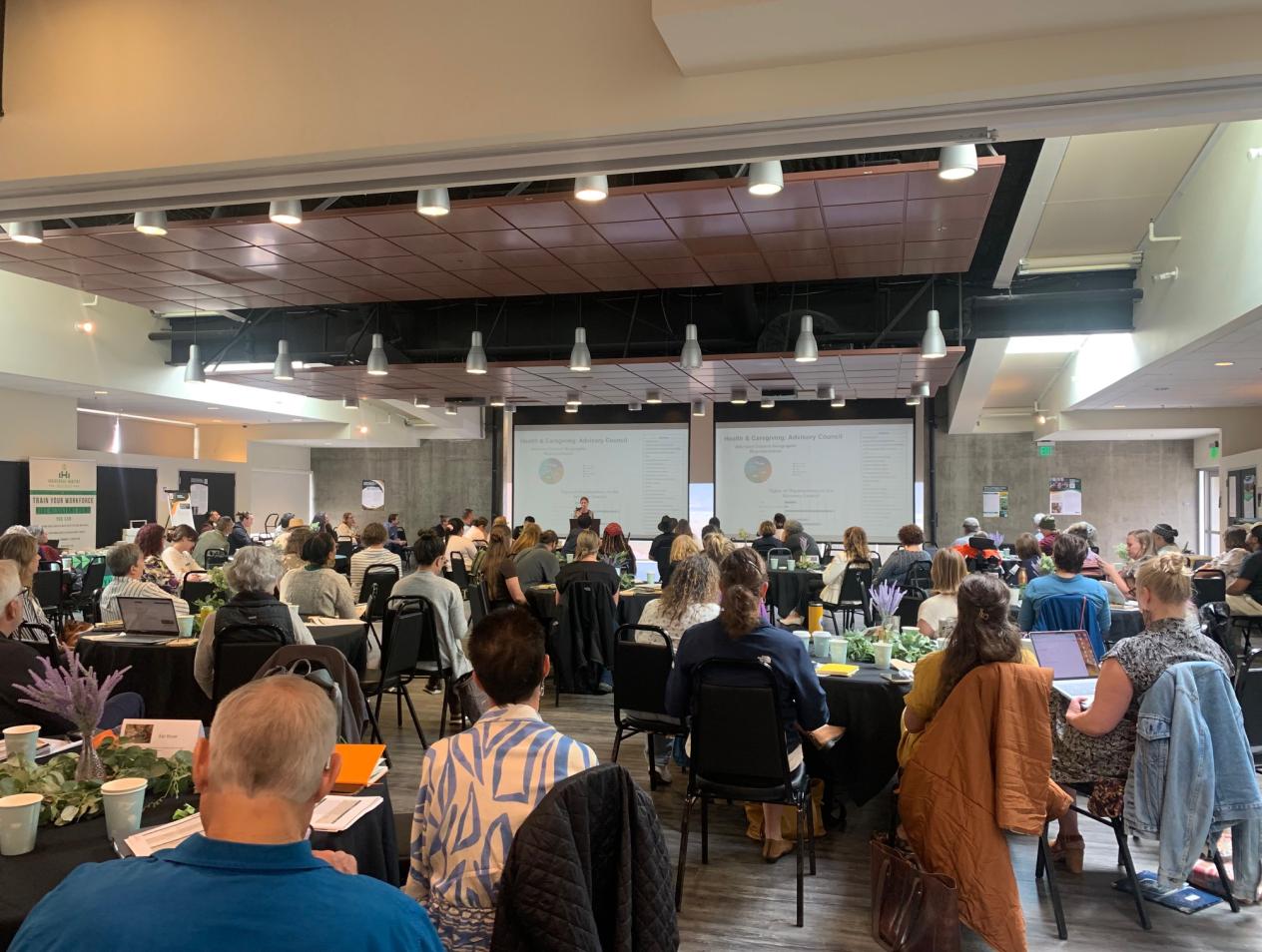
Redwood Region RISE held its 2026 Convening, bringing together Tribal, government, and community partners to showcase projects and progress across key economic sectors. The notes below capture remarks on culturally grounded, equity-centered economic development, a showcase of 19 initiatives, and sector-by-sector discussions as well as workforce development in the Redwood Region. Together, they highlight the wins, ongoing challenges, and next steps for the region's collaborative economic development efforts.
Opening & Grounding
- Opening blessing and welcome from RRRISE leadership (Convening Team – CCRP and North Edge, Tribal Table, Voting Block rep), emceed by Robert R. Kinney (Yurok).
- Grounding/drawing icebreaker in the Program & Resource Booklet set a reflective tone before diving into the sessions.
- Tribal Table – Lorna McLeod: Tribal economies and cultures can't be separated — economic development is cultural development. This is core to why RRRISE matters to Tribes.
- Voting Block’s Equity Committee – Paul Garza Jr.: Economic development should improve the lives of community members, and not just flow top-down. Inclusive, equity-centered development has been central to RRRISE since day one.
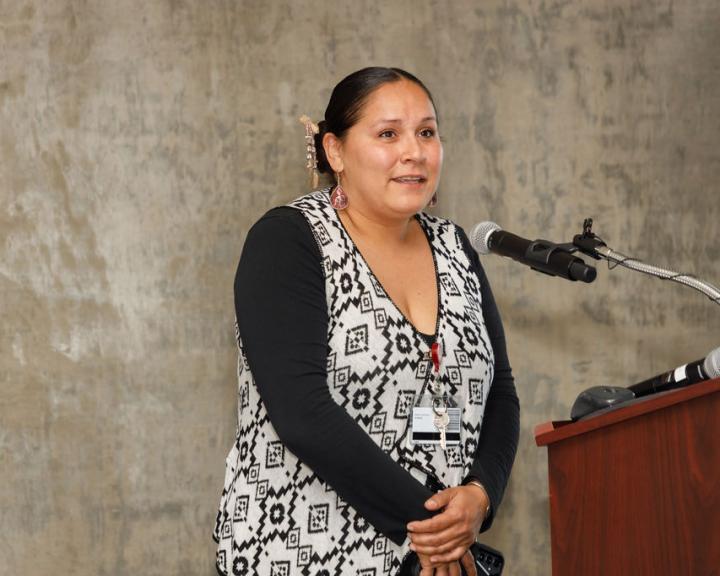
Project Showcase & Networking
The following RRRISE-funded and aligned projects participated in the showcase:
Black Humboldt Business Cohort Excelerator
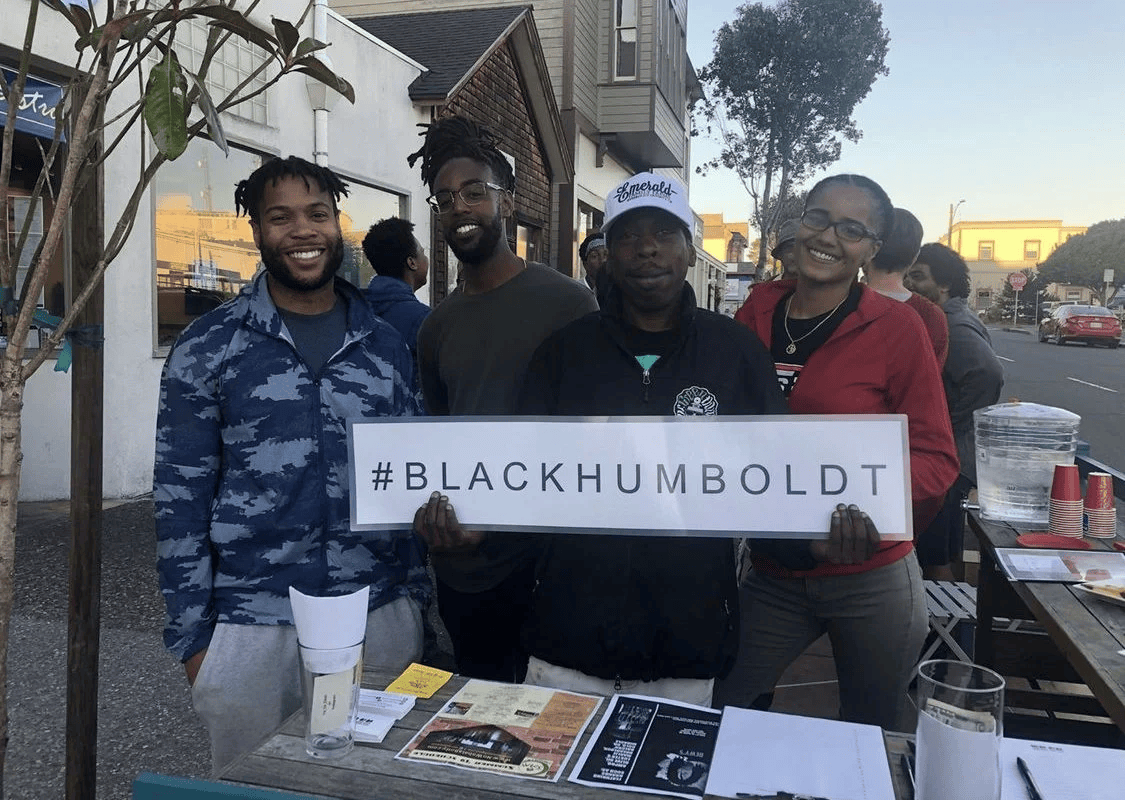
Supporting Black, Brown, Indigenous, and other underserved entrepreneurs through coaching, workshops, micro-grants, and pathways from business ideas to market-ready businesses.
Career Pathways: Fire, Forest, Fish & Facilities
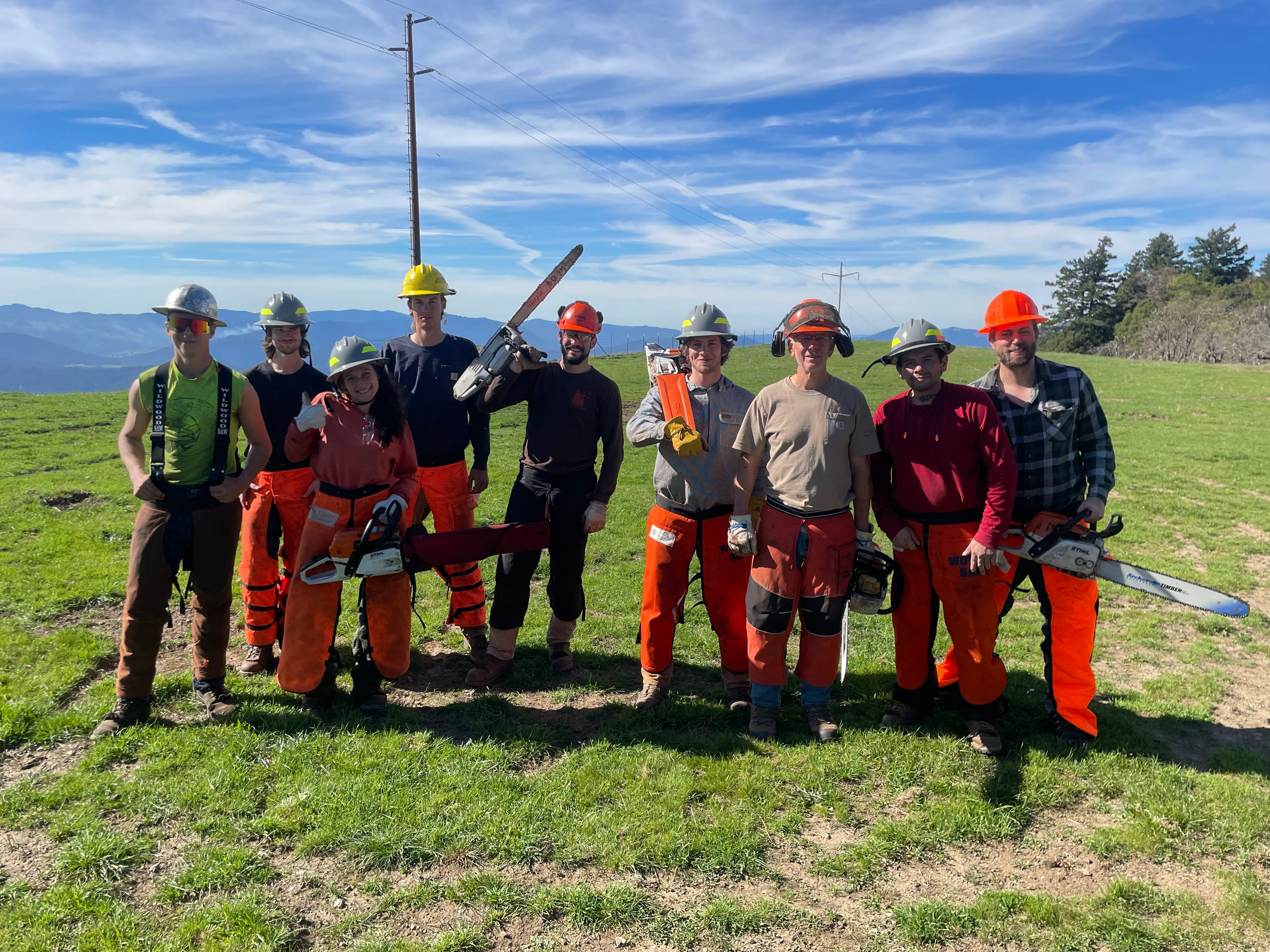
Led by Trees Foundation, this project provides paid, local training for wildfire, forestry, watershed restoration, and related careers — building career pathways for Tribal citizens, youth, and rural residents.
Carving a Legacy: Tribal Traditions, Woodworking, and Workforce Development
Blue Lake Rancheria is combining workforce development with traditional knowledge — training Tribal members in sawmill, kiln, timber manufacturing, and woodworking skills.
Center for Sustainable Development
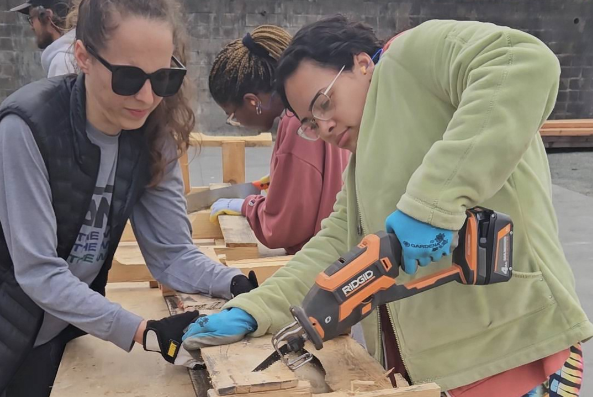
Humbuildt Homes is creating a trades education hub in Arcata focused on woodworking, sustainability, low-carbon housing, and pathways into the construction trades.
Connecting Local Mass Timber to Regional Housing and Building Needs
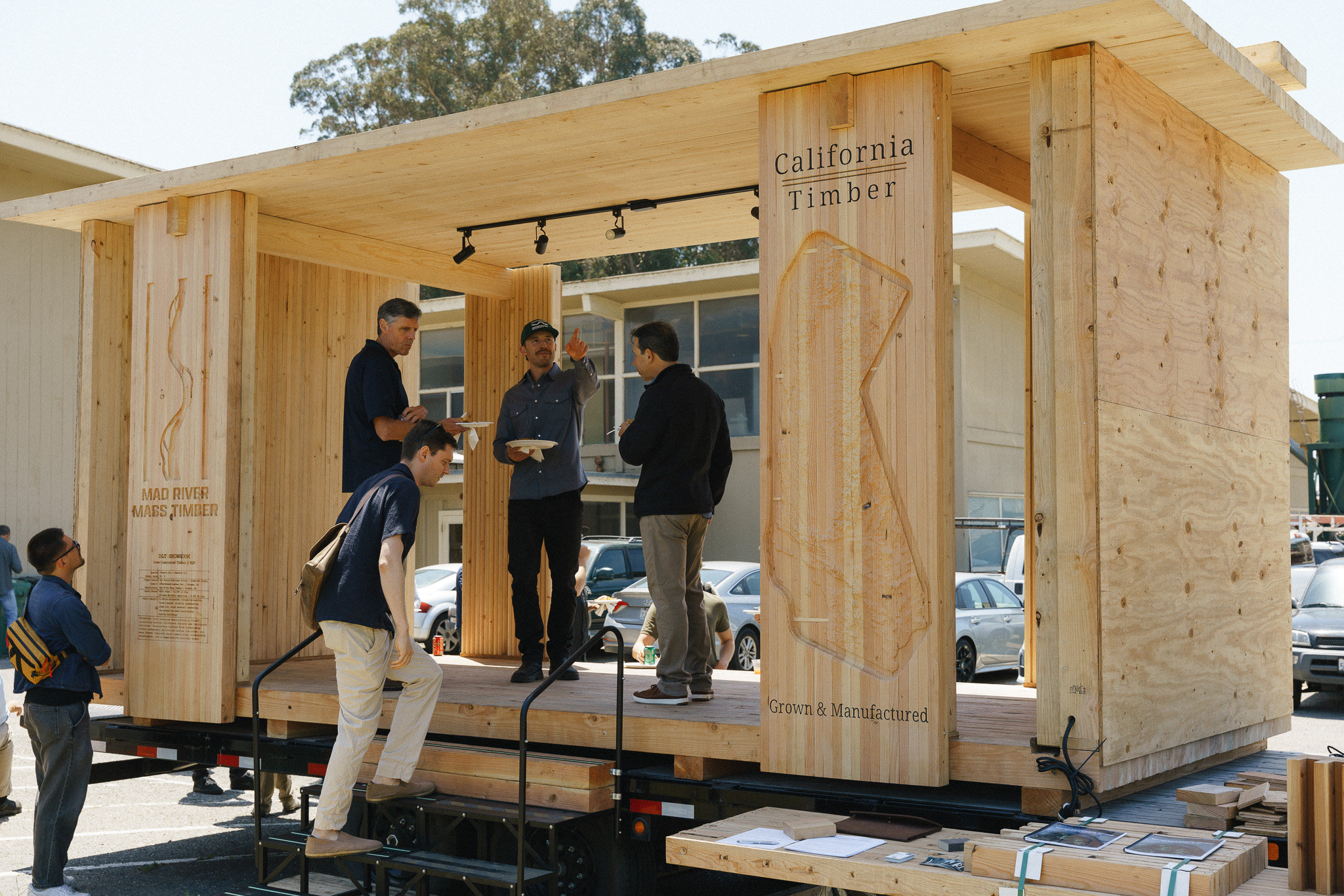
Mad River Mass Timber is working to turn locally sourced wood into low-carbon building materials while creating new markets for regional timber and supporting affordable and workforce housing.
Developing a Climate-Forward Workforce and Innovation Pipeline for Forest and Community Resilience
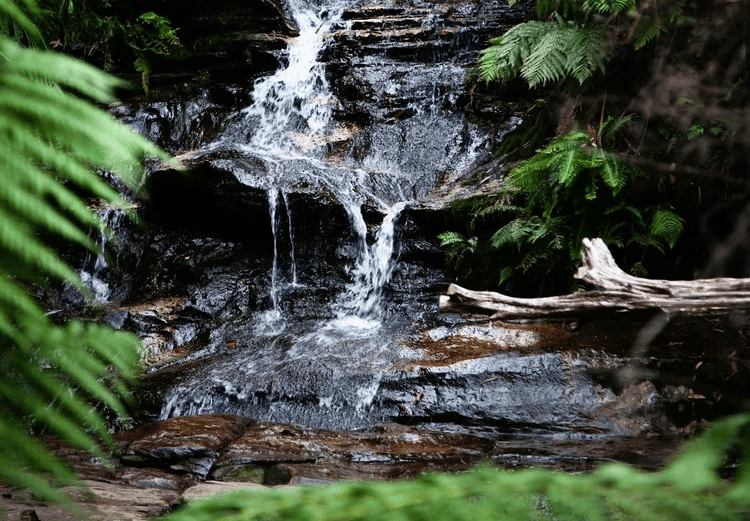
Forest WRX Alliance is bringing together workforce development, higher education, mass timber, forest resilience, and emerging markets to build a regional forest bioeconomy.
Healthcare Education and Regional Training Hub — HEART Hub
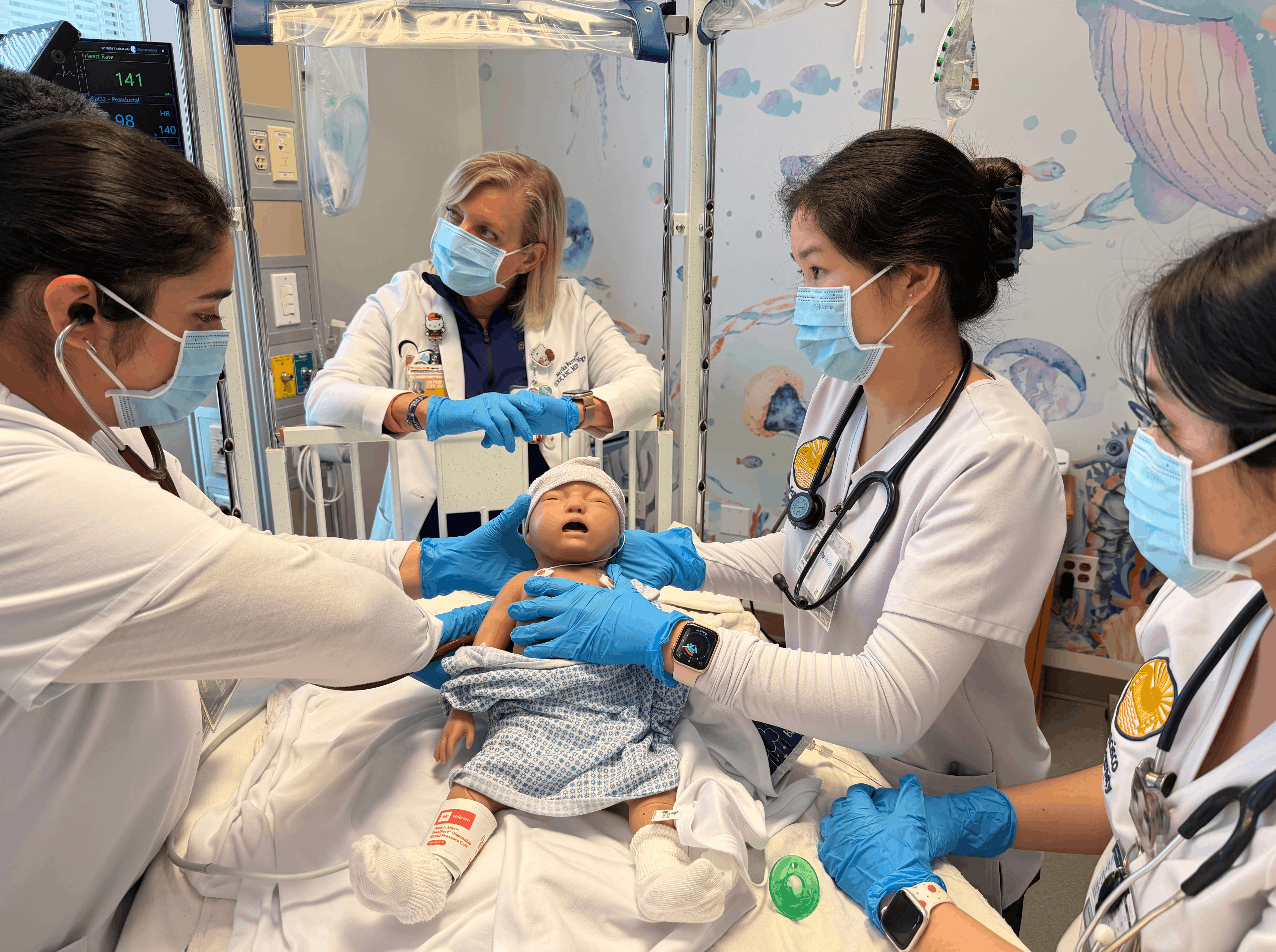
Led by the Lake County Economic Development Corporation, the HEART Hub is developing a regional healthcare training center with simulation labs and hands-on education for healthcare professionals, adult learners, and students.
Hemp Lime Industry Advancement Initiative
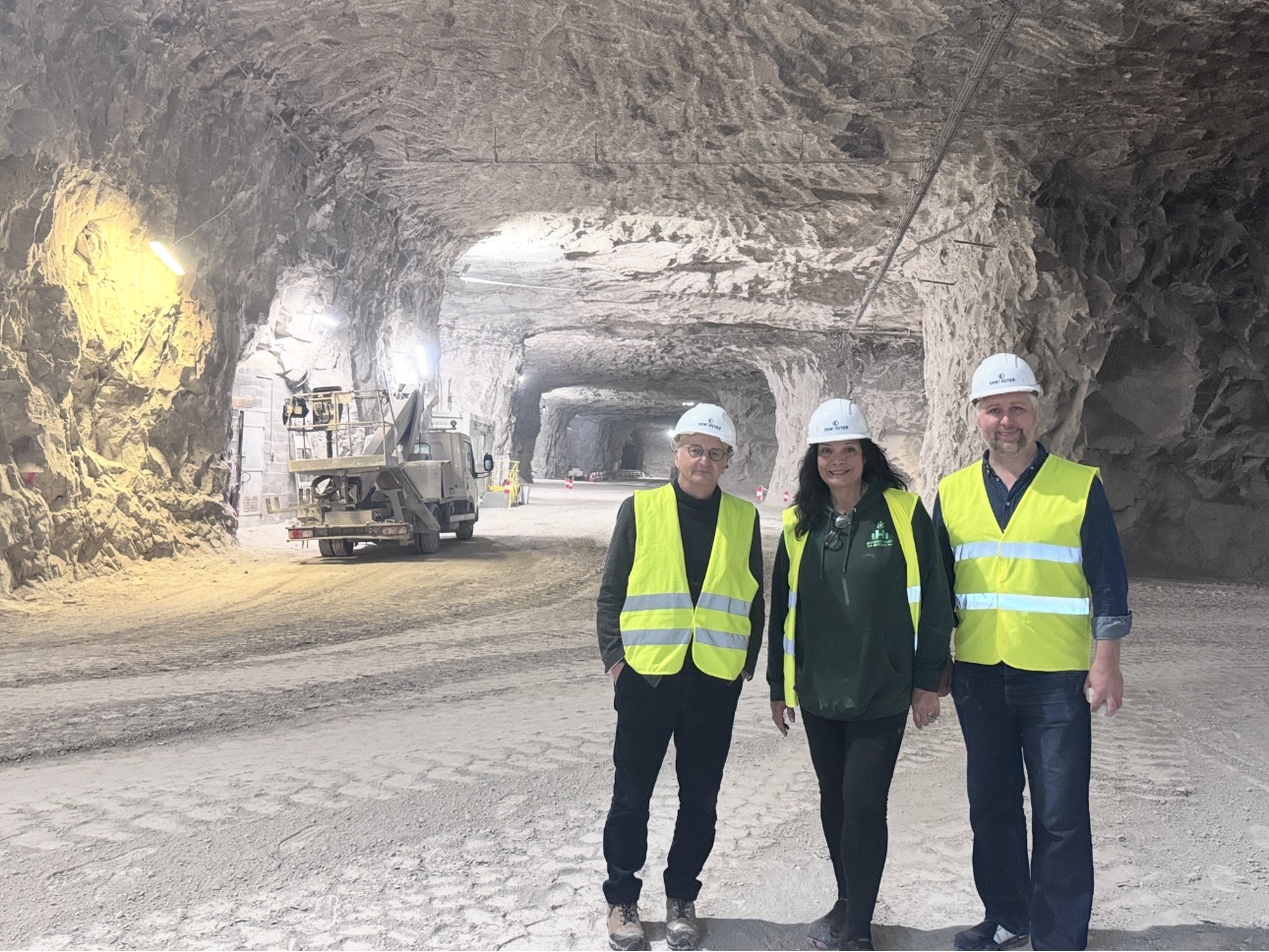
The Indigenous Habitat Institute is developing training and manufacturing capacity around fire-resistant hemp-lime construction — connecting housing resilience with local workforce development.
Hmong Meat Processing Facility
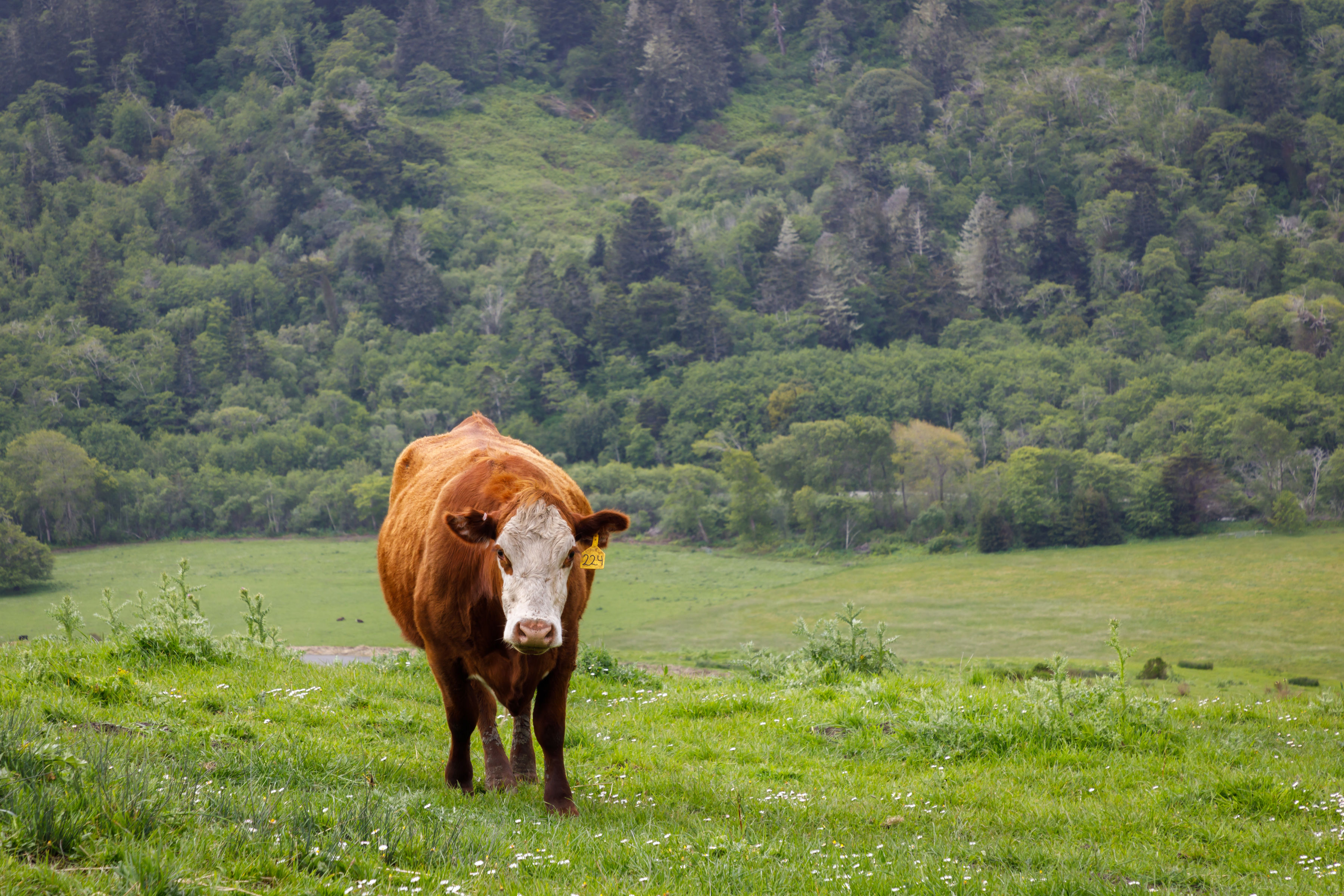
True North Organizing Network and the Hmong Association of Crescent City are advancing plans for a USDA-approved meat processing facility in Del Norte County to support local producers, jobs, and culturally appropriate food access.
Hoopa Family Gardens
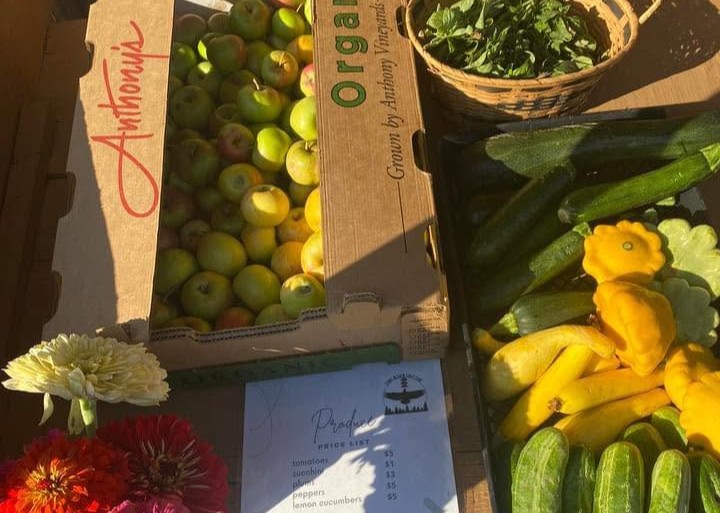
Hoopa Family Gardens is growing fresh produce for the Hoopa Valley community while expanding organic certification and youth mentorship opportunities.
Lake Mendocino Destination Park
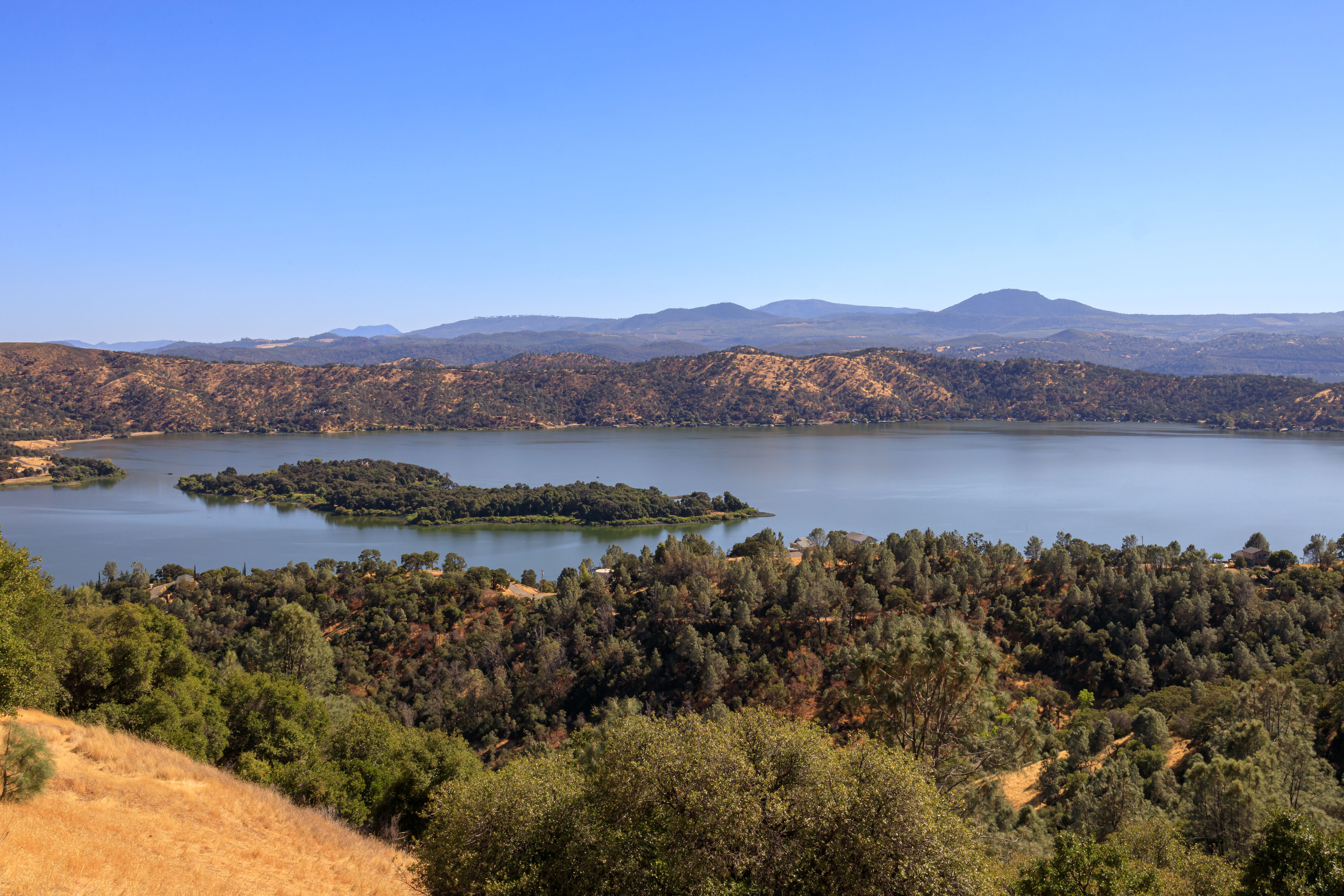
The Greater Ukiah Business and Tourism Alliance is transforming nine acres at Lake Mendocino into a destination park with trails, gathering spaces, public art, and opportunities for local tourism and vendors.
Middletown Rancheria Community RISE Project
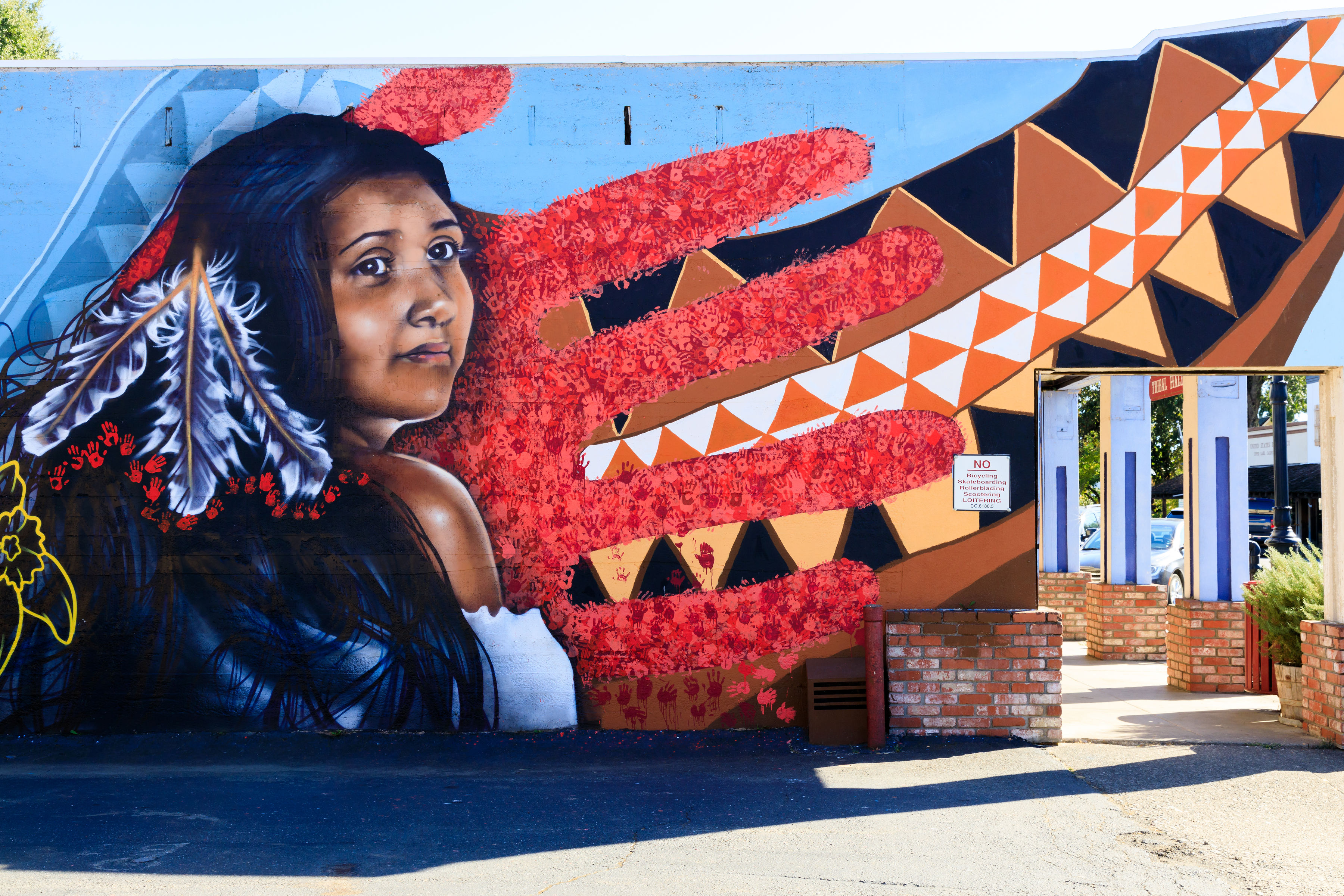
Middletown Rancheria is advancing a comprehensive community Master Plan connecting housing, renewable energy, cultural preservation, youth opportunities, and Tribal self-determination.
North Coast Food System Network
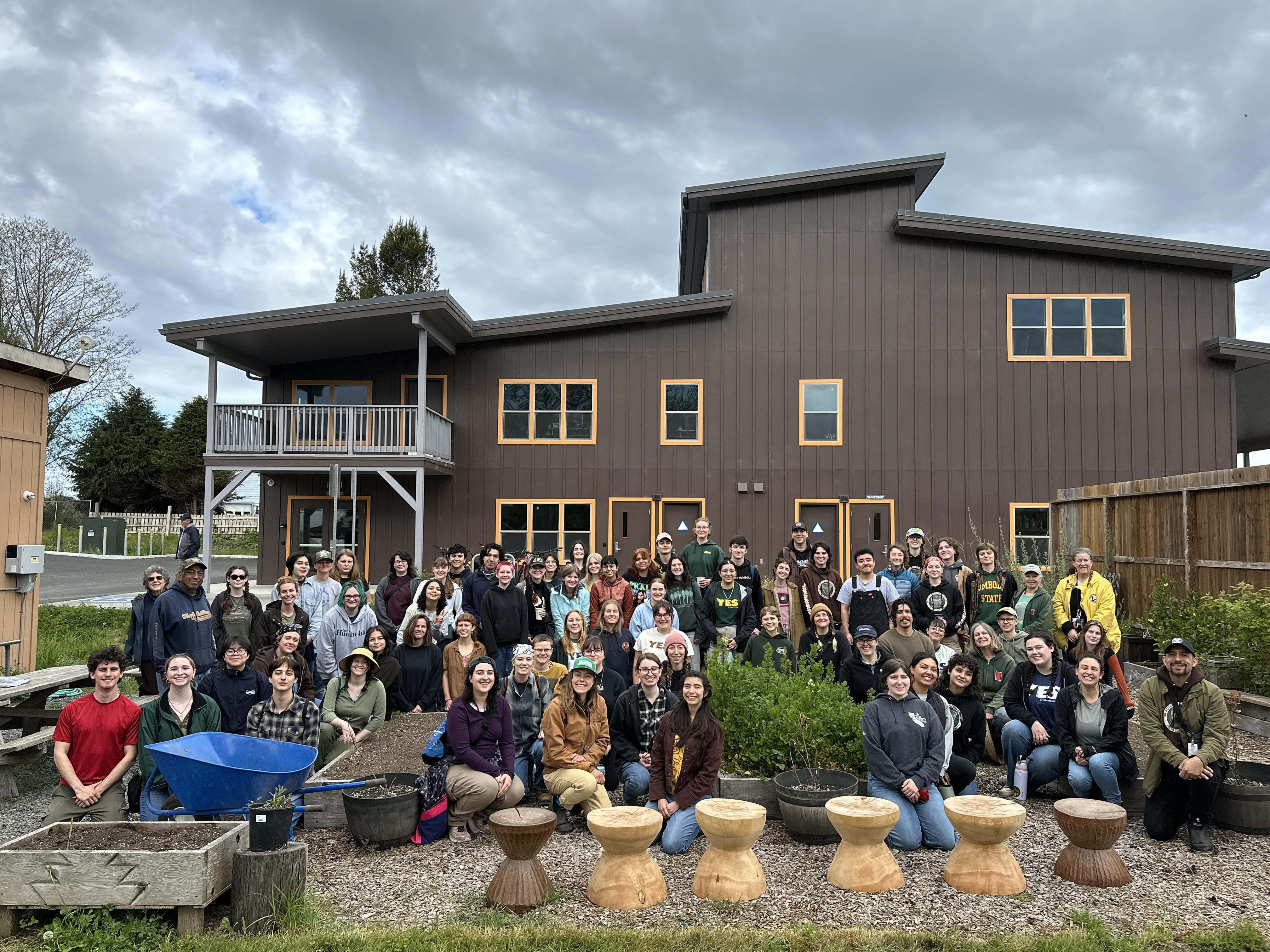
Led by the North Coast Growers' Association, this regional network is investing in food infrastructure, workforce development, local producers, and Tribal food sovereignty.
Outside Arts: Light and Dark
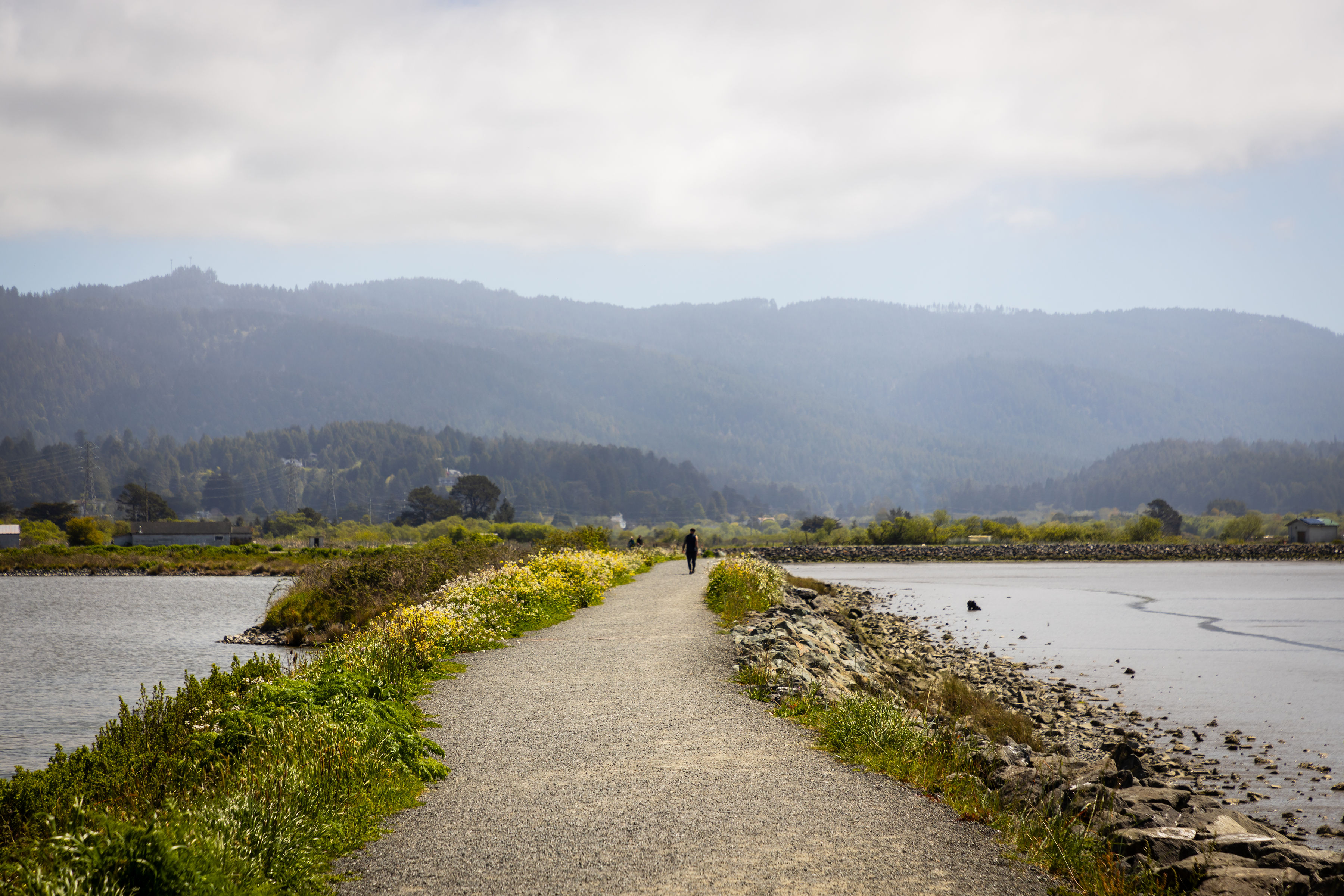
Playhouse Arts is bringing artists and culture bearers into Arcata's public parks through performances, workshops, installations, and community-centered arts programming.
Pinoleville Solar Port & Renewable Energy Workforce Development
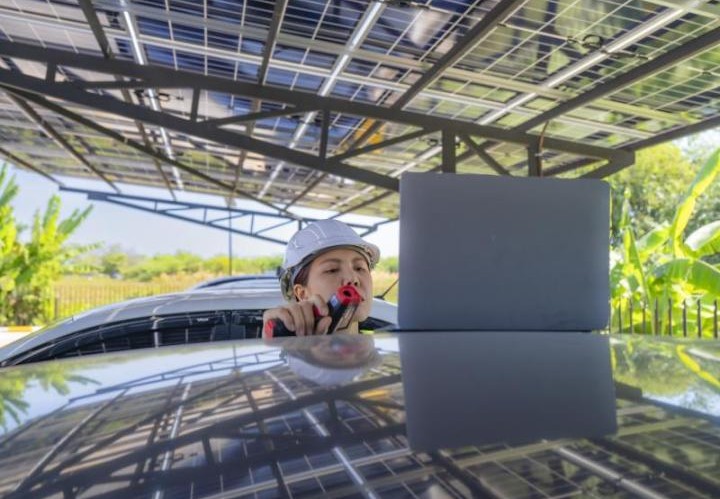
Pinoleville Pomo Nation is developing a solar carport and EV charging project that reduces energy costs while creating renewable-energy training opportunities for Tribal youth and adults.
Redwood Corridor SEEDS Network
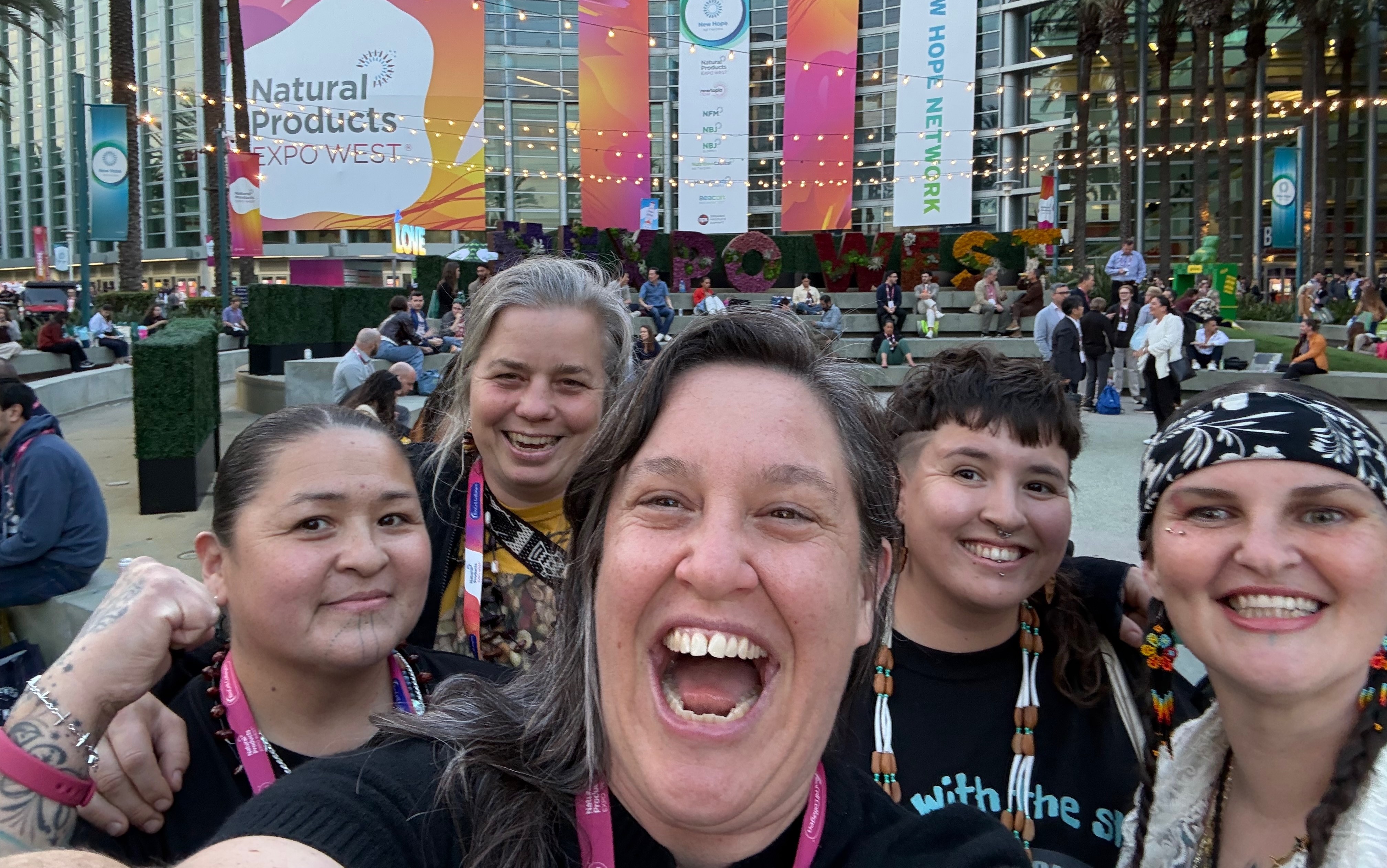
North Coast Opportunities is developing community food hubs along the Highway 101 corridor in Mendocino County, while advancing Tribal food sovereignty and new locally produced food products.
Redwood Region CalAIM Administrative Services Hub: Connecting Care, Empowering Communities
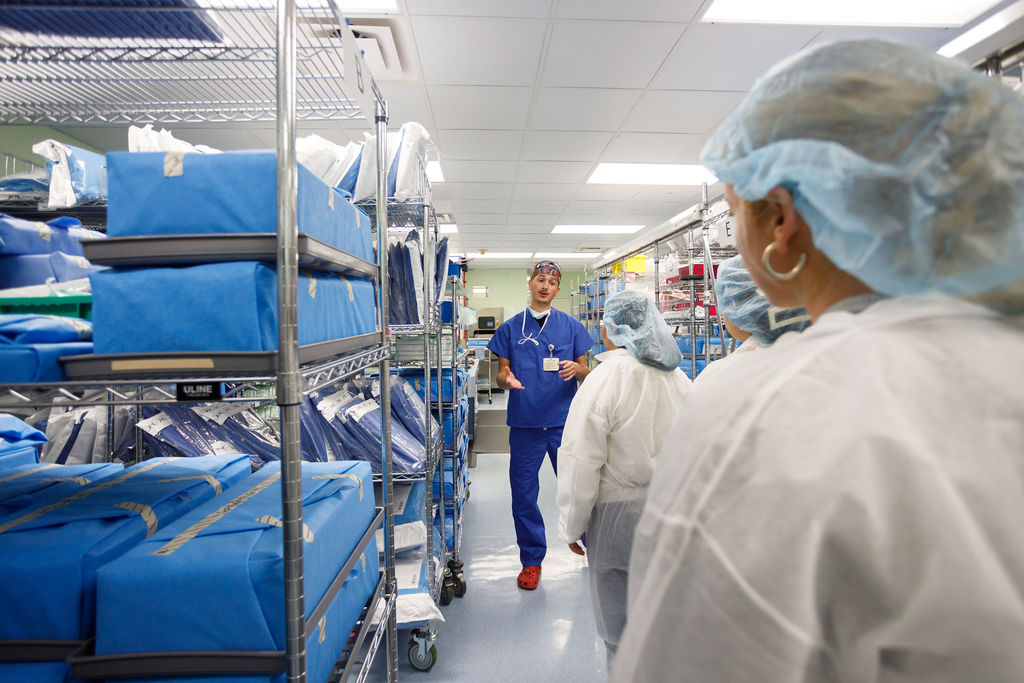
NCHIIN's CalAIM Hub provides billing, training, and technical assistance so regional providers can spend less time navigating administration and more time coordinating care.
Redwood Region Made

Humboldt Made is supporting regional food producers, makers, and small manufacturers with micro-grants, training, and market access to help local businesses grow and retain more wealth in the region.
SeaForester
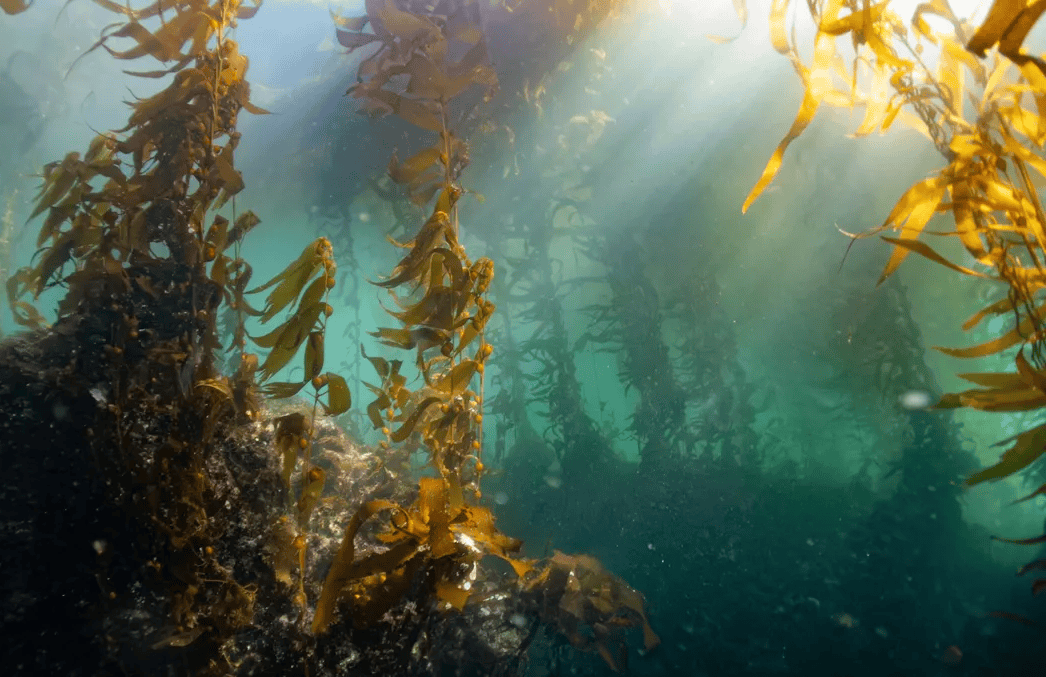
SeaForester is an emerging worker-owned seaweed farm by and for formerly incarcerated people, connecting aquaculture with food sovereignty, coastal resilience, employment, and reentry.
Strengthening a Sense of Place: Arts, Culture & Tourism
Calder Johnson, Sector Investment Coordinator; Isaac Lyons with the Center for Sustainable Development (RRRISE project)
Key takeaways:
- Purpose alignment (not territorialism) is what unlocks impact and funding — especially in rural areas.
- The sector is much bigger than "artists" — it webs out to restaurants, agricultural suppliers, outdoor recreation, and much more.
- Regional strengths: redwoods, rivers, diverse climate, a strong festival/events scene (Friday Night Market draws 5–7K people), and a growing film industry.
- Tourism by the numbers: $1.5B in travel-related spending, $136.7M in state/local tax revenue, 15.1K jobs supported.
- Important tension named: tourism is inherently extractive — communities can feel "hollowed out." The sector is leaning into Regenerative Travel/Tourism (referencing New Zealand's model) — leaving places and communities better than visitors found them.
- Closed on the "Hope Economy" framework — cultivating realistic hope for the future as a driver of empowerment and economic activity.
Projects, Challenges, and Regional Wins
Featured project — Center for Sustainable Development: Converting a warehouse into a trades and housing hub that will build modular, low-carbon homes while teaching community members construction skills. The project also connects with other sectors.
Sector Challenges noted: Decayed infrastructure, ambivalence about dedicated sector development (including concerns about low-paying work), and organizations and individuals stretched thin on capacity and resources.
Wins: Outdoor Economy Summit (with Cal Poly Humboldt), a new State Recreation and Tourism Cohort, and an ongoing RISE Regional Arts, Recreation, and Tourism Cohort (with newsletters, monthly calls, working groups).
Health & Caregiving: Successes and Future Ambitions
NCHIIN (North Coast Health Improvement and Information Network) Team, Sector Investment Coordinator; Nicole Flora with the Healthcare Education and Regional Training (HEART) Hub; Dr. Justus D. Ortega with the Clinical Placement Network; and Cristina Puente with Capitol Impact on Home Health Aide workforce
Key takeaways:
- The Sector Investment Coordinator's early work focused on convening Tribal, workforce, health, finance, education, and caregiving partners into a shared Activation Plan.
- Clinical Placement Network: Addresses a major bottleneck: learners need clinical placements to complete healthcare training, but the region has lacked a centralized system and sites face financial and staffing constraints. The Redwood Region Rural Clinical Placement Network is advancing shared placement software, a coordination team, preceptor support, simulation infrastructure, student supports, and regional governance.
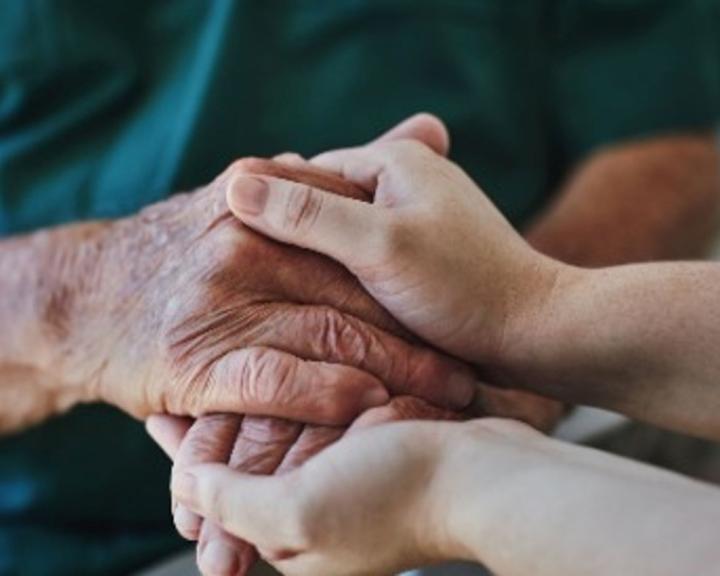
Training the Healthcare Workforce and Future Ambitions
- HEART Hub (Healthcare Education and Regional Training Hub): A 6,600 sq ft simulation/training facility on the Sutter Lakeside campus serving Lake, Mendocino, and Tribal communities.
- Backed by Sutter Health, Adventist Health, and Tribal health partners; $650K catalyst funding leveraged into $2.2M+, with another ~$2M in the pipeline.
- Three program tracks: SPARK (elementary/middle school exposure), LEARN (HS/adult learners), CONNECT (community health literacy).
- Regional workforce outlook: Analysis for Lake and Mendocino counties projects 249 net new jobs by 2030 and about 240 annual openings in HEART Hub priority occupations. Hub renovation planning is underway; county permit submission was expected by year-end.
- Lesson learned: industry and education have to be equal partners — most simulation hubs are led by one or the other, but this one requires both.
- Home Health Aide workforce: A critical, fast-growing need — the Redwood Region employs 10,000+ HHAs/PCAs (3x the national average proportionally), with 20% growth projected by 2030. Turnover (40–60% nationally) and low pay (~$30K/year) are major challenges. Priorities: expand training access, grow "earn and learn" models, strengthen career pathways, improve job quality/retention, and improve regional coordination.
- Outlook: California received $233.6 million for federal fiscal year 2026 through the Rural Health Transformation Program. Regional partners are pursuing clinical-placement, recruitment, retention, and technology investments while advocating with HCAI for funding that is attainable and responsive to rural needs.
- Action: Next steps identified: seek CalRHT funding; beta-test the Centralized Clinical Placement System; establish the regional coordination team; and advance shared simulation infrastructure.
Powering a Transition: Renewable and Resilient Energy
Matthew Marshall with the Blue Lake Rancheria, Sector Investment Coordinator; Kathleen Beltran, Middletown Rancheria of Pomo Indians of California; Kevin Maldonado, Pinoleville Solar Port & Workforce Development; Frank Richards with Building Lives by Building Structures; Blue Lake Tribal Energy, LLC (all RRRISE projects)
Key takeaways:
- This sector goes beyond energy infrastructure — it's deeply tied to bringing culture back into local communities, and many projects are Tribally led, reflecting strong resilience and sustainability.
- Policy and funding have been volatile: solar net-metering changed, federal energy tax credits and offshore-wind support were rolled back, and a major port grant was canceled. At the same time, credits for battery storage, biomass, small hydro, and geothermal continue, as do some State programs and federal resources—particularly for Tribes.
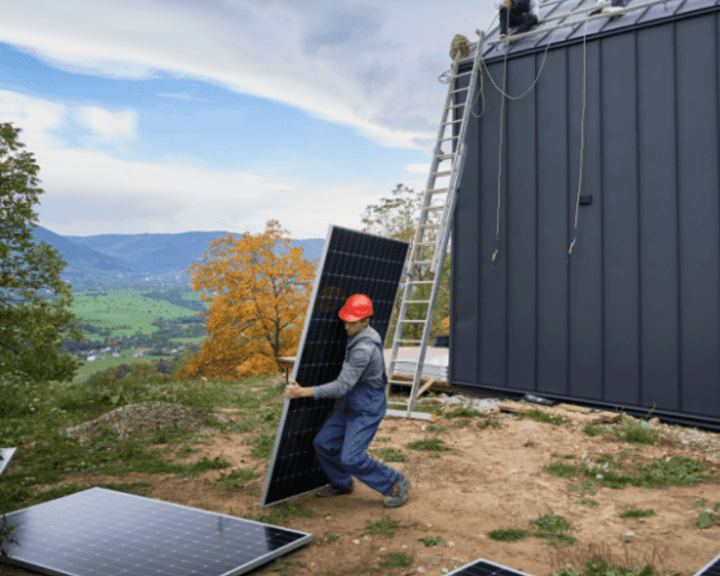
Tribal-Led Renewable Energy Workforce Training
- Featured projects:
- Building Lives by Building Structures: A workforce program for ages 16–24 that prepares participants for Carpenters Union apprenticeships and helps complete two small, affordable, energy-efficient homes begun by trainees on the Hoopa Valley Reservation. The project partners with GRID Alternatives on solar and battery-storage skills.
- Middletown Rancheria Community RISE Project: Partnered with Grid Alternatives to train members and install solar on the Tribal community building; also purchased a drone for land surveying, and ran an 8-week youth environmental internship (native plant ID, land/creek restoration, college visits).
- Pinoleville Solar Port & Renewable Energy Workforce Development: Building a solar carport with GRID Alternatives at the Tribal government complex; four young adults continued to additional training in Sacramento. Ten young adults completed 200-hour paid internships—three moved into full-time jobs and five headed to college.
- Blue Lake Tribal Energy, LLC: Leveraging regional microgrid expertise to launch energy-system design and deployment services for Tribes, governments, and businesses. The enterprise reported $2.27 million secured for its first three years and is evaluating a solar installation unit, finalizing its business plan, and engaging project partners.
Cultivating Regeneration: Working Lands and Blue Economy
Sarah Bodnar, West Business Development Center, Sector Investment Coordinator; Megan Kenney, North Coast Growers’ Association (North Coast Food System Network); Haerah Baird, North Coast Opportunities, and Caroline Radice, School of Adaptive Agriculture (Redwood Corridor SEEDS Network) (all RRRISE projects)
Key takeaways:
- This was the largest sector by RRRISE project volume — touching harbors, shorelines, forests, and even new materials innovation like hempcrete.
- Common gaps across projects: labor, infrastructure, funding/capital access, and planning capacity.
- Big open question going forward: with the Sector Investment Coordinator role, and state funding sunsetting, how does the region keep this collaboration alive? West Business Development Center affirmed continued commitment to this work.
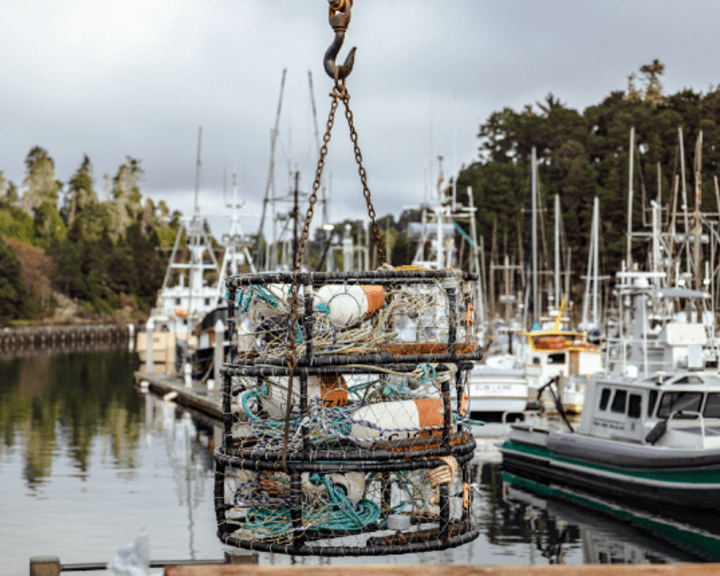
Growing Resilient Local Economies: Projects
- Hmong Meat Processing Facility: Meat is central to Hmong cultural practice (ceremonies, community feasts). After Redwood Meats closed, a feasibility study confirmed strong regional need — this will be structured as a social benefit corporation reinvesting into the community (including funding a Hmong cultural center). Currently evaluating sites; funding has been slower than hoped.
- North Coast Food System Network: Builds community-owned food infrastructure: solar-powered cold-storage “resilience nodes” (first pilot at Blue Lake Rancheria’s Daluviwi’ Community Garden), the NCGA Harvest Kitchen, the DNATL Gather & Grow Food Hub, Humboldt Dockside Market, a regional Seafood Extension Fellow, microgrants, and Tribal food-sovereignty investments.
- Redwood Corridor SEEDS Network: Community food hubs along Hwy 101 tied to farming/foraging and disaster preparedness. The Just Soup Project reimagines a familiar dish (goulash) using ancestral ingredients as a way to "decolonize the palate" — now a shelf-stable freeze-dried product with institutional interest. Also supported a Ponca Tribe member's visit to learn regenerative growing practices to bring home.
- Hemp Lime Industry Advancement Initiative: Building a regional industry around fire-resistant, insulating hemp-lime construction. The presenter reported completing the country’s first two-hour loaded fire test of a hemp-lime panel, a step that could support broader code approvals.
Regional Pulse Check
Participants who joined our live Mentimeter poll named collaboration most often as a source of confidence in the region’s economic future (20 mentions), followed by innovation (6), resilience (5), and communication (4). Community, creativity, hope, and passion also appeared repeatedly.
- Where coordination could help: In 49 open responses, recurring opportunities included healthcare; shared infrastructure and housing; cross-sector project coordination; funding and grant writing; workforce and education; policy advocacy; Tribal leadership and equity; food sovereignty; renewable energy; emergency response; and sharing resources, data, stories, and learning.
- What would strengthen impact: Among 54 respondents choosing up to two options, 69% selected more coordinated funding and investment strategies, 54% sustained regional coordination and relationship-building, 31% shared data, tools, and regional infrastructure, 30% deeper cross-sector and community connections, and 17% stronger alignment between regional and State priorities.

What's Next for RRRISE: Assets, Sustainability & Future Planning
Dawn Arledge and Leoni Fohr, California Center for Rural Policy (CCRP) at Cal Poly Humboldt; Susan Seaman, North Edge; Tribal Table Members (Lorna McLeod, Walter Gray III, Jaime Gutierrez, Asa Mattice, and Crystal Charles); Annie Sterling, Capitol Impact, Sector Investment Coordinator
Key takeaways:
- The conversation is shifting from "how do we sustain RRRISE as-is" to "what's worth carrying forward, and how do we get there – together"
- Scale of collaboration: Over three years, RRRISE engaged 175+ organizations and 1,200+ residents through roughly 500 listening sessions, surveys, and community meetings; deployed $11.5 million in California Jobs First and philanthropic funding; supported 19 community-endorsed projects; and made 26 micro-investments.
- Assets to carry forward: Relationships, convening capacity, a shared regional identity and voice, and Tribal engagement were named as core assets. Practical resources can be found in our Resource Hub, and include the 10-Year Regional Roadmap/CEDS, four Sector Activation Plans, Partner Directory, Projects Map, project finance resources, career pathway maps, sector one-pagers, impact stories, image gallery, strategy and animated explainer videos, and our recent Impact Report.
- Project finance: The Regional Project Finance Council connects project sponsors with finance expertise and capital-readiness guidance—part of the regional infrastructure for moving ideas toward investment.
- Tribal Table: Emphasized how meaningful it's been for Tribes to be involved — and for Tribes to support one another through this work.
- Workforce development: Capitol Impact, our Workforce Development Sector Investment Coordinator, presented the RRRISE Rural Pathway Model, which connects education and training, work-based and earn-and-learn experiences, quality jobs, career advancement, and entrepreneurship. Recommendations included improving job quality, emphasizing transferable skills, expanding stackable credentials and earn-and-learn programs, and investing in entrepreneurship. Download the slide deck
- RRRISE Near-term: regional coordination and project implementation continue through at least March 2027; long-term structure is still undecided — the Sustainability Report and continued work will help inform that choice.
- Action: Participants were invited to identify how their organizations want to stay engaged, what would make that engagement worthwhile, what role they hope to play, and what support they need. (see Mentimeter link & results below)
Future Engagement
Status: Snapshot as of August 27, 2026. This survey will remain open for several more weeks. Use the Mentimeter link below to share your thoughts.
- How organizations want to engage: Of 19 respondents to date, 89% wanted to participate in regional convenings and 74% in implementation projects. Fifty-eight percent wanted to help shape regional priorities, and 58% wanted to help pursue funding. Other interests included working groups (47%), sharing expertise (42%), leading or co-leading initiatives (37%), communications support (37%), mentoring (32%), and sharing data (21%). No respondent selected “We do not anticipate ongoing participation.”
- Conditions for continued engagement: Among 18 respondents, the leading conditions were opportunities to collaborate on projects and sustainable funding (67% each), followed by defined priorities (61%), transparent decision-making and meaningful Tribal partnership (44% each), regular regional convenings (39%), and a clear implementation focus (33%).
- Roles and support named: Open responses emphasized hosting space and workshops, continuing regular partner calls and updates, collaborating on infrastructure and tourism, supporting ecological-restoration job readiness, helping with communications and organizational structure, staying informed, and obtaining financial support for nonprofit participation.
Closing
Reflections on the day and appreciation for hosts (Bear River Band of the Rohnerville Rancheria), participants, speakers, and panelists. Clear through-line across every session: the last three years built real relationships and momentum — the open question now is what key elements will be carried forward in a non-duplicative way that benefits Redwood Region communities, creating pathways into good jobs that strengthen regional resilience for all.
Stay involved:
- Contact: California Center for Rural Policy (CCRP) → ccrp@humboldt.edu
- Website: bit.ly/Redwood-Region-RISE
- Resource Hub: bit.ly/RISE-Resource-Hub
- Collaborative meetings: bit.ly/RRRISE-Meets
- Projects Map: bit.ly/rise-projects-map
- Newsletter: bit.ly/RISE_Mailer
- LinkedIn: bit.ly/RRRISE-Linkedin
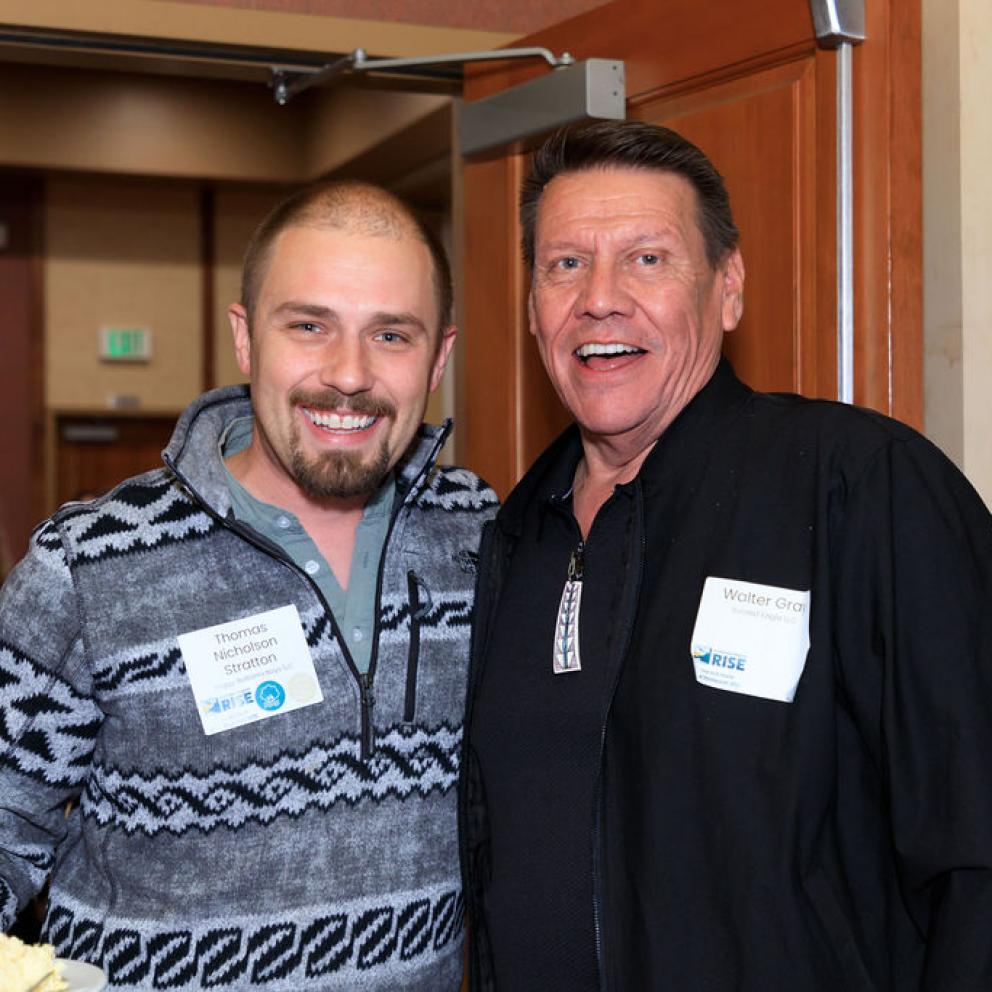
Any questions about this Convening follow-up packet, or Redwood Region RISE in general? Contact CCRP at: ccrp@humboldt.edu