background 0background 1background 2background 3

Immigration Rights and Resources for the Campus Community

Exercising Your Rights to Free Speech

Breadcrumb

Business Administration, B.S.

The School of Business promotes an inclusive and rigorous educational environment. We focus on ethics, active learning, entrepreneurial thinking, and strategic sustainability. Our core curriculum provides a strong foundation of business principles. Our concentrations of Accounting, Finance, Economics, Marketing, and Management & Entrepreneurship enable you to specialize in the area of your interest.

Employers today need people who are able to communicate effectively and solve problems. Our programs emphasize critical thinking, communication, and a breadth of knowledge—the building blocks for lifelong learning.

Why this program

We provide you with hands-on learning experiences. Opportunities include place based learning communities, student led clubs, business competition, and others.

Our competitive internship program provides experiential learning opportunities in local business community settings.

Our Volunteer Income Tax Assistance (VITA) internship program provides students with tax preparation experience in assisting community members file tax returns.
Image
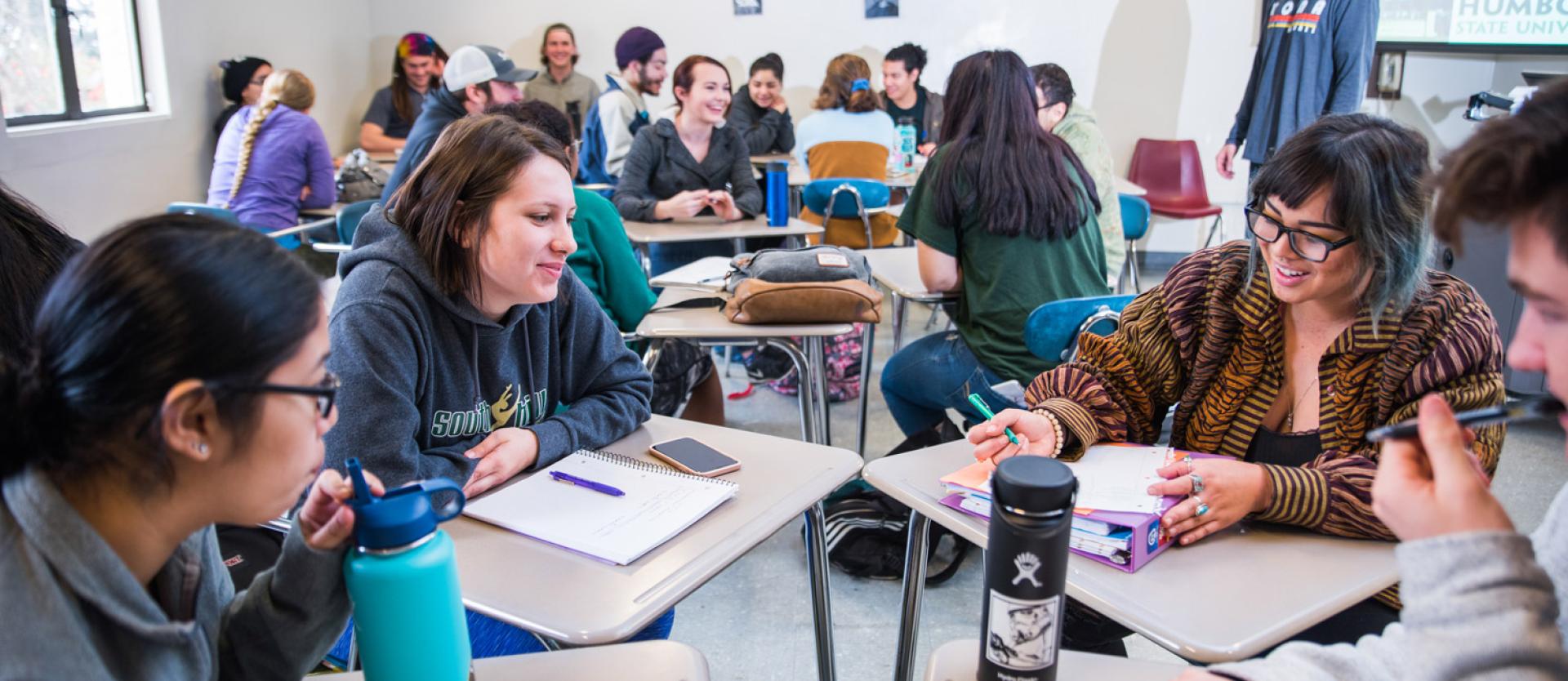
Students sitting at desks in class and in groups

Concentrations

Serving as the universal language of business, accounting expertise paves the way for a multitude of opportunities across every industry sector. Representing approximately 16% of all available professional jobs, an accounting graduate may work for any type of organization, including businesses, governmental entities, and non-profit organizations. In addition to robust job opportunities, strong job growth is projected in the field. Accounting graduates may opt to work in public accounting where they prepare or audit the financial statements or sustainability reports of businesses, do tax work for companies or individuals, or offer financial consulting services. 

Find salary info at the Bureau of Labor Statistics

The Economics concentration provides the basic analytical foundations of how business firms operate and maximize their overall goals of profits and sustainability. Topics include small business development, consumer behavior, efficiency of firms, labor market policies, different market structures, effective use of resources and global competition. The impact of different types of government policies are analyzed in a broad context. The Economics concentration provides strong analytical skills that facilitate higher level critical thinking.

Find salary info at the Bureau of Labor Statistics

A finance degree can prepare you for careers in businesses and government offices and help you make better personal financial decisions. Our approach to how enterprises can create value and solve social and environmental problems are unique among universities. The bachelor's degree in finance at Humboldt provides not only theoretical knowledge and technical skills to our students but also prepares them for professional certification such as Certified Financial Planner (CFP) and Chartered Financial Analyst Program (CFA) so that our graduates can compete in the rapidly changing technology-driven world of finance.

Find salary info at the Bureau of Labor Statistics

Today, most workers in America are either self-employed or work in a small business. These companies need employees who understand all functional areas of business and can think strategically about new opportunities. The  Management & Entrepreneurship concentration is for students who want to explore their potential and create original business opportunities, as well as for those who want to develop hands-on skills that will give them valuable business management skills. The learning focuses on effectively starting and managing businesses, including in e-commerce, the service industry, and social entrepreneurship. Students will learn how to identify opportunities that create economic value within the ever-evolving realities of the 21st century business context, effectively utilize technology to make decisions, and to do so while operating in a socially and environmentally responsible manner. Students who acquire these skills will also be able to work in any existing organizations seeking growth.  

Find salary info at the Bureau of Labor Statistics

Marketing graduates are valuable additions to any organization offering products, services, programs, initiatives and ideas—including for-profit, non-profit and government organizations. The marketing major is also a great place to start when thinking about running your own business.

All our marketing classes explicitly engage students with the leading business trends of the 21st century: To develop strategies for long-term profitability while conserving environmental resources and creating value for society as a whole. Marketing students create sustainable marketing strategies, a skill set increasingly desired by many organizations.  

Our graduates find exciting and rewarding careers in a virtually unlimited number of fields. Whether they work as advertising and promotions specialists, marketing managers, research analysts, small business owners, sales representatives, logistics experts, outreach coordinators, event planners, writers, editors, graphic designers, technical analysts or consultants, marketing graduates succeed because they approach their roles from the perspective of the ultimate customers of an organization.

Find salary info at the Bureau of Labor Statistics

Did you know?

  • Our program prioritizes strategic sustainability for competitive advantage.
  • Small classroom sizes enable deeper connection with instructors and your peers.
  • We provide competitive paid internships ($1,250 to $2,500) for gaining practical experience.
  • Various scholarships are available to qualified business students.
  • We strive for environmental and social justice to go hand in hand with business goals.
student with a phone camera taking a selfie of her and the clas

Careers

Businesses need people who are thinkers and communicators. Our program provides an educational approach emphasizing important business skills that prepares students for success in their chosen career.

  • Accountants and auditors
  • Budget Analysts
  • Cost Estimators
  • Financial Analysts
  • Financial Examiners
  • Fundraisers
    Human Resources Specialists
  • Loan Officers
  • Management Analysts
  • Market Research Analysts
  • Personal Financial Advisors
  • Project Management Specialists
  • Purchasing Managers, Buyers, and Purchasing Agents
  • Tax Examiners and Collectors, and Revenue Agents
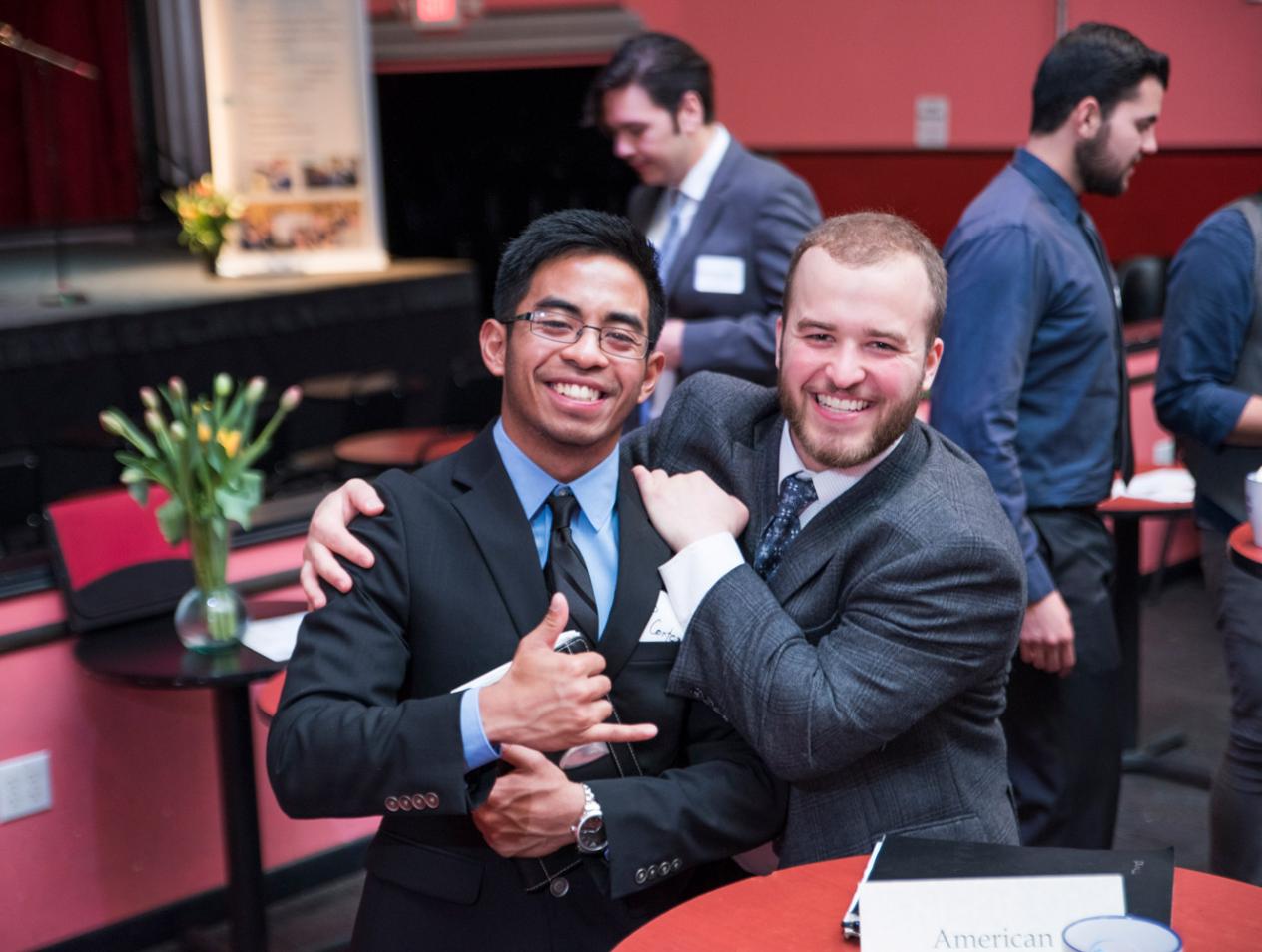
a group of guys at a bar and two of them playing rock paper scissors

Ready to find what
your future holds?

Breadcrumb

Botany, B.S.

Cal Poly Humboldt is an incredible place to study botany. Our faculty are dedicated to teaching excellence and hands-on learning, instructing courses that utilize specialized equipment, impressive natural collections, laboratory facilities, and the ecologically diverse field sites of our region. Extensive opportunities for research prepare our students for a wide range of careers in biology. Come be inspired!

Why this Program

Surrounded by a wide range of habitats, from coastal to mountain wilderness, Cal Poly Humboldt is located in the perfect environment for field research. 

The Bachelor of Science in Botany program is a community. You’ll get to know our faculty, who are dedicated to student excellence and provide authentic research opportunities for students. 

Hands-on work with vascular plants, bryophytes, lichens, fungi, and algae provide fundamental experiential training for students at the organismal level. 

Image
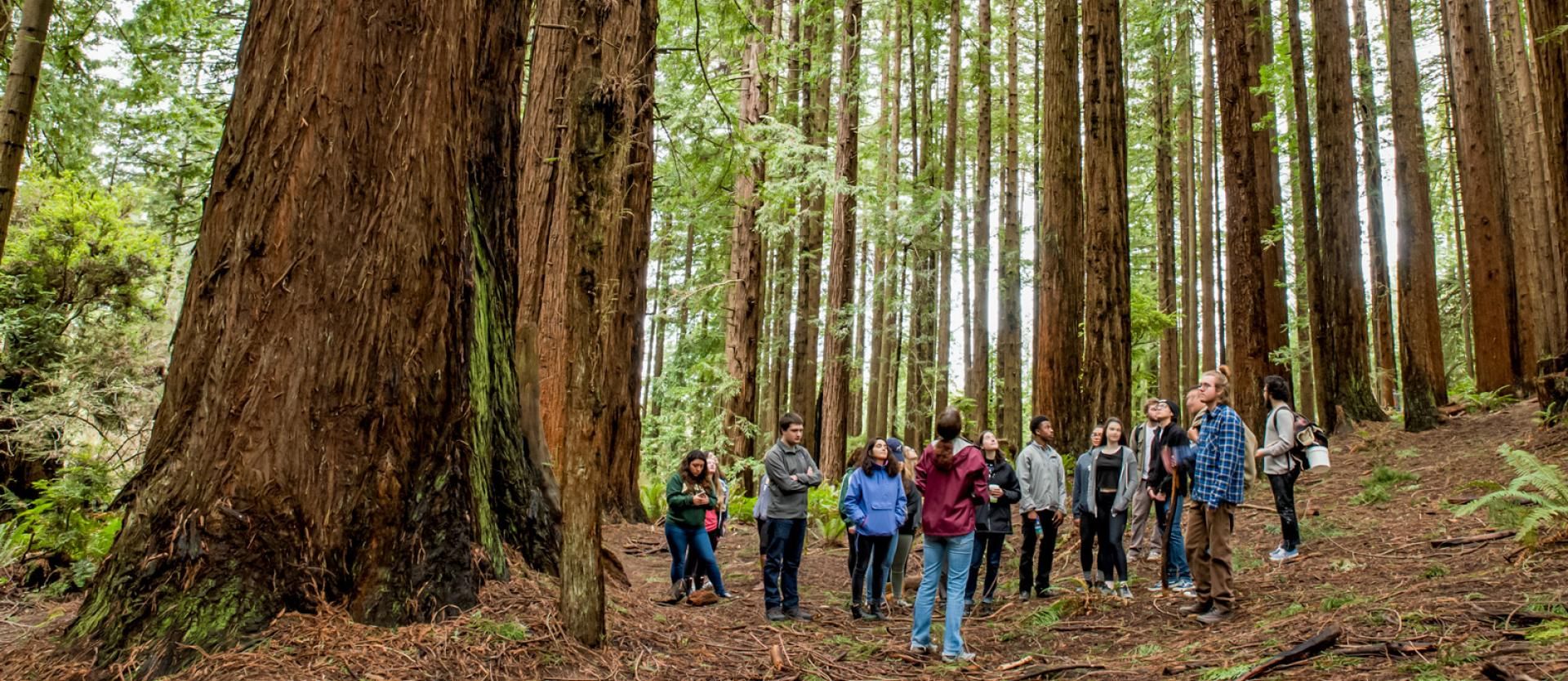
group of students standing in the forest

Academics & Options

Learn and appreciate the biological processes unique to plant life with a dedicated learning community and the best botanical collections in the CSU system.

Did you know?

First-year students take part in Among Giants, our place-based learning community, where you’ll venture into redwood forests, mountains, dunes, and marshes to study animals, identify ferns, and examine the soil. 

The Greenhouse Club invites students from all majors to participate in greenhouse activities that include propagating plants, practicing integrated pest management, and basic horticulture skills around the greenhouse area. 

The Biology Seminar is a quasi-weekly research seminar series with national and international participation.

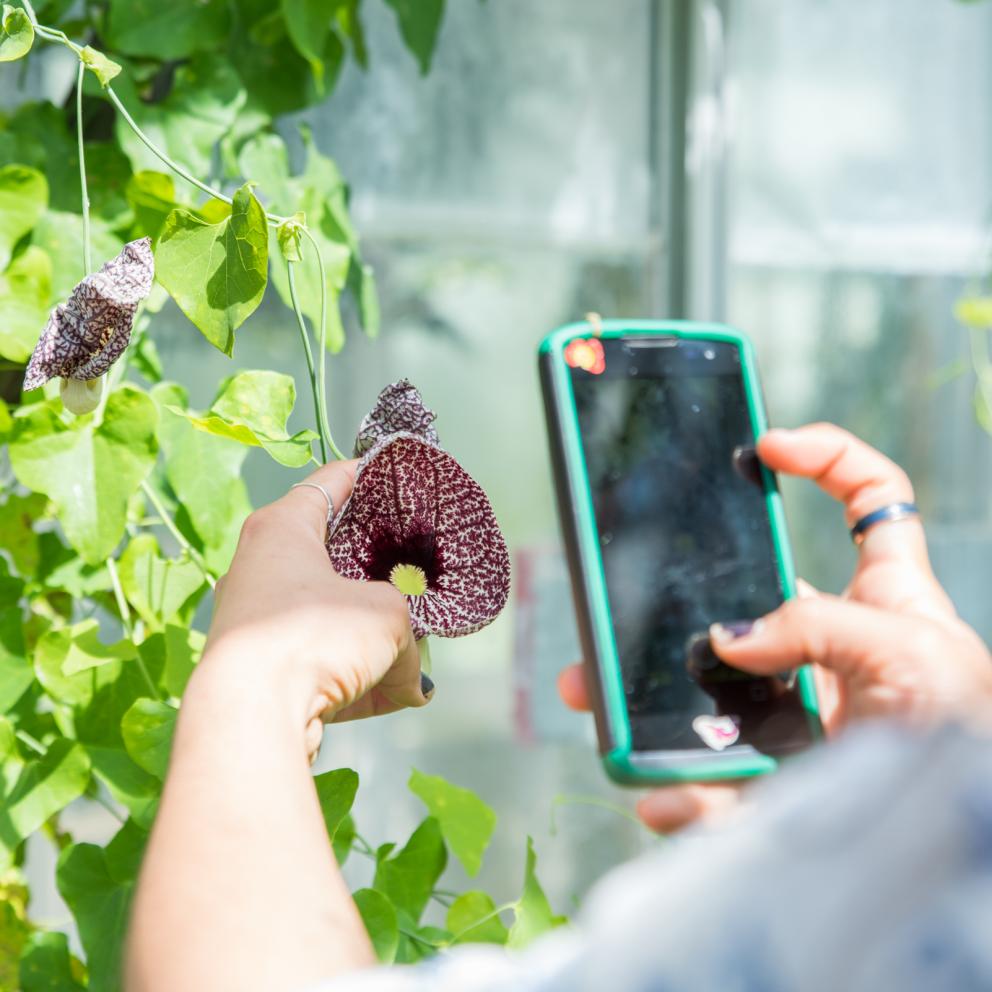
student taking a photo of a plant

Careers

Favorable opportunities can be expected for biological scientists with advanced degrees and for bachelor's candidates with outstanding educational and experiential backgrounds. Employment in the life sciences is expected to grow due to recent advances in genetic research, advances in biological technology, and efforts to conserve the environment.

  • Herbarium Curators
  • Naturalists
  • Plant Physiologists
  • Technical Writers
  • Plant Ecologists
  • Environmental Consultants
  • Botanists
  • Horticulturists
  • Science Librarians
  • Plant Pathologists
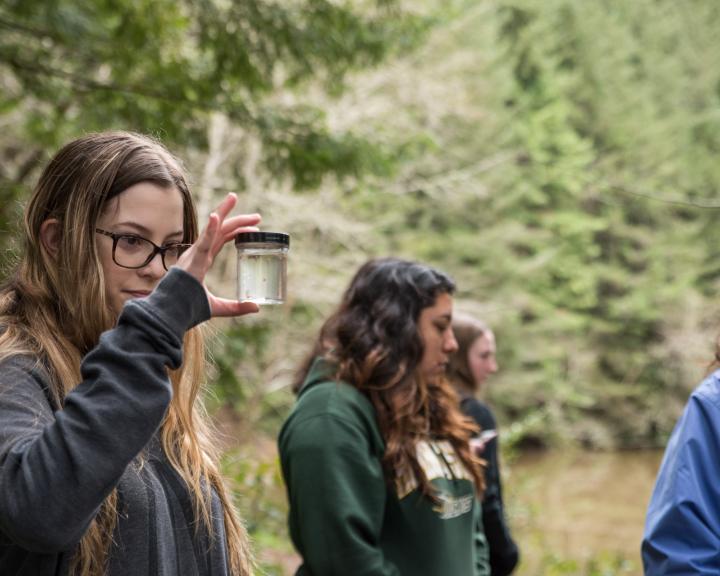
students in the field with one holding a jar up with a sample in it

Ready to find what
your future holds?

Breadcrumb

Biology, B.S.

Cal Poly Humboldt is an incredible place to study biology. Our faculty are dedicated to teaching excellence and hands-on learning, instructing courses that utilize specialized equipment, impressive natural collections, laboratory facilities, and the ecologically diverse field sites of our region. Extensive opportunities for research prepare our students for a wide range of careers in biology. Come be inspired!

Biology majors study organisms and how they function in the natural world. You can be a general biology major or focus your studies by choosing a concentration.

Why this Program

The perfect environment for laboratory and field research. Our facilities are surrounded by ancient redwoods and are near the Pacific Ocean, pristine rivers, mountains, and wetlands.

We are dedicated to student excellence through hands-on learning. Work with faculty, staff, and students to get involved in research and other activities.

Humboldt is home to extensive natural collections, accessible research facilities, and specialized advanced equipment like electron microscopes and a CT scanner.

Image
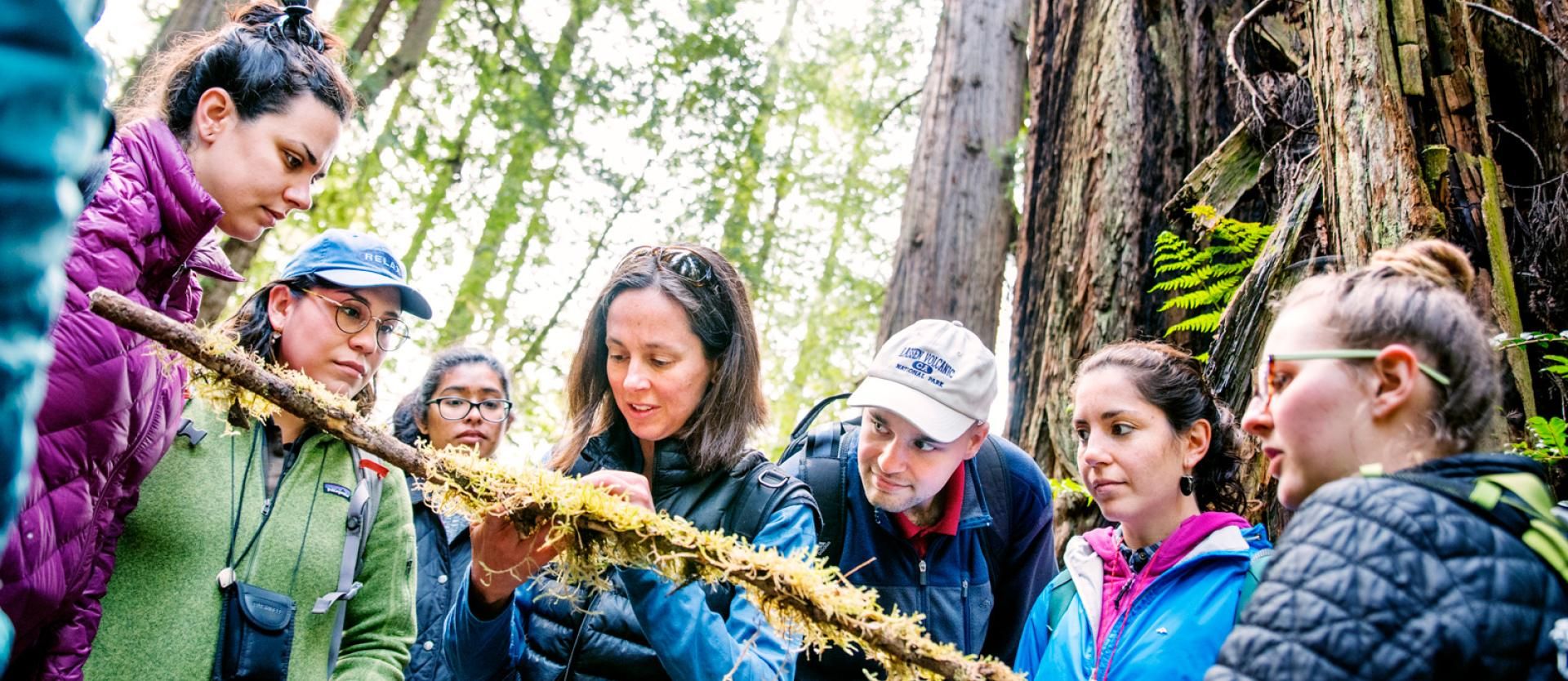
Students gathered around a professor in the forest

Program Concentrations

This concentration is designed to allow a wide range of flexibility in designing a program to meet an individual student’s needs.

This concentration is designed for biology majors interested in understanding the cellular and molecular processes that govern biological form and function. The coursework includes training in the questions and experimental methods required to study organisms at the genetic, molecular, and cellular levels. Our laboratory facilities provide unique hands-on training that prepares students for graduate studies, medical school, and jobs in scientific laboratories.

This concentration is designed for students who are interested in a hands-on approach to understanding how living organisms interact with one another and the environment, and the consequences of these interactions for biodiversity and ecosystem function.

This concentration provides a broad, laboratory-oriented background in the study of microorganisms of all kinds (bacteria, algae, fungi, protozoa, viruses, etc.), including structure, identification, physiology, genetics, ecology and parasitism, artificial culture, and experimental technique.

This concentration is for students who want to teach biology at the secondary (high school) level. One additional year of courses (after the B.S.) can lead to a teaching credential. 

Did you know?

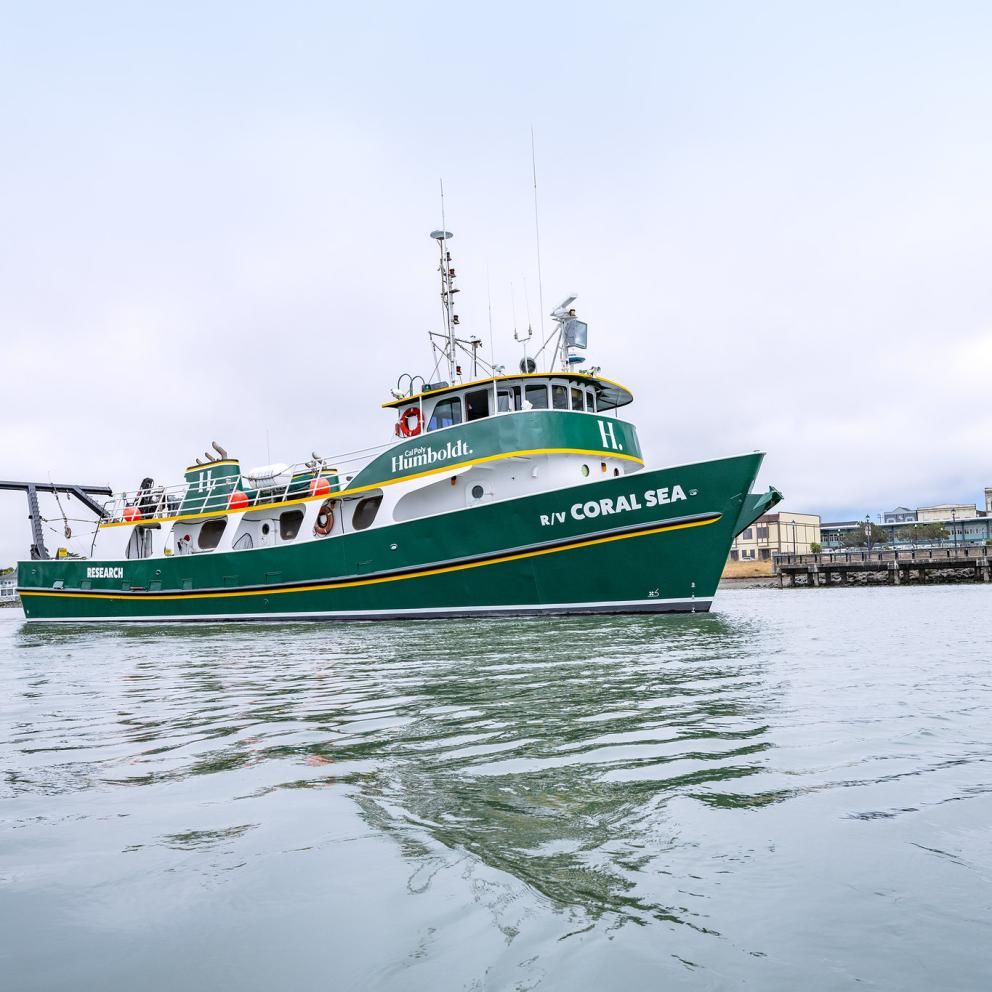
The Coral Sea is Humboldt’s 90-foot ocean going research and teaching vessel, students can collect and observe marine plants and animals in their natural environment. 

The Humboldt Vertebrate Museum houses a legacy collection of more than 15,000 specimens. 

We hold a quasi-weekly research seminar series with national and international participation.

Coral sea boat from a distance

Careers

Favorable opportunities can be expected for biological scientists with advanced degrees and for bachelor's candidates with outstanding educational and experiential backgrounds. Employment in the life sciences is expected to grow due to recent advances in genetic research, advances in biological technology, and efforts to conserve the environment.

  • Field Biologists
  • Ecologists
  • Microbiologists 
  • Physiologists
  • Marine Biologists
  • Geneticists
  • Cell Biologists
  • Developmental Biologists
  • Biotechnology Researchers
  • Biochemists
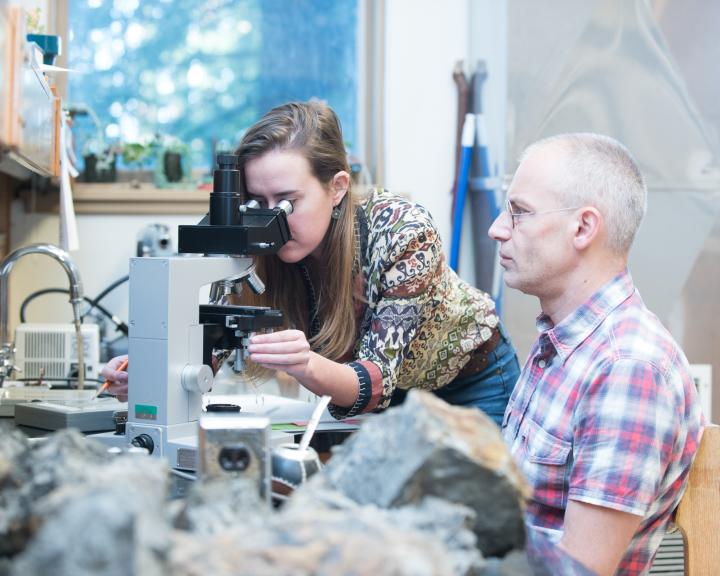
student looking into a microscope with a teacher sitting next to them

Ready to find what
your future holds?

Breadcrumb

Art, B.A.

Art is a potent and positive force for change in contemporary society, and Cal Poly Humboldt’s Department of Art + Film is dedicated to educating the students who will shape the culture of our collective future. The hands-on techniques that you’ll learn in our small, intimate classrooms, studios, and galleries will allow you to address issues, ethics, history, and culture with a unique and personal vision in your career.

Art Education

Art Education gives students the tools they need to help others create and appreciate art. Our curriculum provides the foundation to successfully teach art in K-12 schools, higher ed, museums and galleries, and community settings, and prepares students to enter California's mandatory fifth-year, single-subject teaching credential program. Humboldt's Art + Film Department offers an approved subject matter waiver program through the California Commission on Teacher Credentialing.

Art Studio

Art Studio offers small classes with individual attention and large, well-equipped studio facilities. In studio courses, students learn processes and strategies used in creating works of art in various media through problem solving assignments and accompanying instruction. Students are given the opportunity at the upper division level to concentrate on a particular studio area in depth, allowing them to prepare a portfolio for further professional opportunities or for postgraduate study.

Art Studio Areas of Focus

Cal Poly Humboldt's Ceramics program is designed to give students the experience and skills needed to express themselves in every aspect of the medium. Beginning and Intermediate Ceramic courses focus on developing basic forming and glazing skills at both high and low temperatures. Students are exposed to a variety of aesthetic approaches and are helped to develop their creative imagination, visual perception, and understanding of visual form. Advanced level ceramics courses, emphasize the development of a personal style and help prepare students for a career in art. Instruction at this level is largely on an individual basis.

Though Cal Poly Humboldt is a small, intimate school, we are equipped with a comprehensive 8,500-square foot ceramics facility. The studio includes two separate kiln rooms with 14 electric and 4 gas kilns, a large glaze room with spray booth, a plaster mold making area, a clay mixing and storage area, a small room for slide lectures, throwing and hand building areas, an outdoor area kiln area for raku and soda firings, and a separate studio space for our BFA and selected advanced level students.

Ceramics Faculty

The Digital Arts + Graphic Design area utilizes digital media and technology as tools for creative problem solving and artistic expression. Our program emphasizes experimentation, creative thinking, and diverse applications of research with a focus on visual communication.

Our computer lab features up to date Mac computers with industry standard software, printing, scanning and other tools. Students have extended access to the lab, and access an Adobe CC license to work across campus or on a personal device. Together, we develop projects around animation, motion graphics, AR/VR, typography, print, packaging, web and layout design, as well as multimedia approaches. Throughout these projects, students are encouraged to use art and design as pathways that evolve their own learning and ability to express themselves.  The Digital Arts + Graphic Design area promotes creative risk takers, collaborative thinkers, and inquisitive innovators that are ready to integrate experimentation and visual communication in their creative practices and professional lives.

Humboldt students educated in an emphasis in digital art have gone on to attain graphic design, film & video, and digital media positions with companies local, regional and beyond. Students may also pursue graduate studies and careers as educators or diverse commercial industries looking for creative thinkers with a rich practice in visual communication.

Graphic Design Faculty

Drawing

Integral to the art curriculum, drawing is one of the most important areas within our department. By developing a strong foundation in drawing, students engage in a process fundamental to many other studio disciplines. Our drawing program offers students an exciting and diverse balance of styles and techniques.

Beginning Drawing courses introduce the basics of line, form, perspective, composition, foreshortening, and proportion, as well as various drawing materials and techniques. Through demonstrations, lectures and critiques, students develop a strong base of technical skill, the ability to assess their own and others' artwork, and the proficiency to think critically and conceptually about drawing. In addition, students are exposed to many styles and characteristics of historical and contemporary drawing.

In our upper level classes, students are encouraged to experiment with new techniques, processes and materials as well as to begin to identify and clarify the content of their art work as it pertains to personal visual expression or style. In addition to courses in Beginning Drawing, we offer Intermediate Drawing as well as Life Drawing I and II.

Painting

The painting program at Humboldt strengthens technical skills and provides in-depth faculty mentoring, yet gives students the freedom to develop a personal style and approach.

The lower division painting courses develop and refine perceptual and technical skills. These foundation courses expose students to the fundamentals of painting: materials, techniques, pictorial organization, form, and color. Once students have developed this technical foundation, the upper division courses provide the opportunity to explore personal vision while delving more deeply into the theories and methods of both traditional and contemporary painting.

In addition to our regular studio courses, we offer workshops on topics such as encaustic, mixed media, landscape, and figure painting. Our studio facilities are open and available from 7:00 am until midnight, seven days a week.

Drawing and Painting Faculty

The Jewelry and Small Metals program provides a strong technical, historical and aesthetic education, blended with creative thinking and artistic problem solving. Students concentrate on the thinking and creating, of wearable jewelry, conceptual work, functional and non- functional objects and small-scale sculpture.

Students can expect visual stimulation through technical demonstrations and samples, contemporary and historical slide shows, videos, and art objects.

The lower division classes stress basic fabrication methods, soldering skills, proper tool usage and safety. The upper division classes build on your foundation skills, offering enameling, raising, anodizing and more. The emphasis at the upper levels is on developing your personal artistic vocabulary and practice.

Although there is an emphasis on non-ferrous metals, exploration is encouraged in a variety of materials including acrylic and resins, tagua nut, leather, handmade papers, exotic woods, found objects and other non-metal materials.

Our studio is well equipped for basic fabrication techniques, chasing, forming and raising, casting, forging, enameling, aluminum anodizing, etching, and basic finishing and polishing processes. Divided into bench and large equipment areas, the studio is a clean and safe environment complete with metal and wood bandsaws, spray etcher, sand and bead blasters, drill presses, bending break, rollers, belt sanders, rolling mills, anvils, and a large assortment of forming hammers and stakes. Every student is assigned a large complement of hand tools for their use during the semester.

Jewelry & Small Metals Faculty

Cal Poly Humboldt offers photography students the opportunity to master all aspects of the photographic process–from traditional darkroom black and white photography to color digital imaging.

Beginning level photography courses provide a strong foundation in camera functions, image editing, darkroom skills and digital processes, while simultaneously encouraging the expressive nature of the medium. At the intermediate and advanced levels, students are encouraged to work toward the development of their own personal style while producing a coherent portfolio. Course work includes use of a view camera, studio lighting, the black & white darkroom, mural printing, alternative processes, and digital photography. Throughout the photography curriculum, group critiques and exposure to historic and contemporary photographs enhance the level of discourse in the program.

Our strength lies in studio access. Our facilities include a chemical lab for black and white printing and a lighting studio. The digital lab is equipped with Mac computers and large format Epson printers for color printing. Our labs are open for extended hours for student use in order to provide abundant time for focused study and practice for the serious photographic artist. Students also have access to a variety of photography equipment, including: digital, 35mm and large format cameras, portable lighting kits, and a professionally equipped lighting studio.

Humboldt students educated in an emphasis in photography have gone on to pursue graduate studies and careers as educators, studio assistants, commercial photographers, and artists.

Photography Faculty

The printmaking program offers beginning through advanced instruction in a variety of processes: relief (woodcut, linocut, wood engraving), intaglio (etching, drypoint), planographic (waterless and stone lithography) and screen print (photo-silkscreen). Students receive a thorough grounding in print fundamentals. Color, black and white, unique, and edition printing are all covered in the curriculum. Traditional and contemporary print techniques are taught through a drawing-centered approach, with an emphasis on individualized conceptual expression.

Our print studio is housed in one large main room, where we have three etching, three lithography and one proof press, work tables and related print equipment. We have an additional small room upstairs which we use as a basic darkroom.

Students graduating with an emphasis in printmaking may elect to pursue graduate studies, work as a printer for fine art or commercial printing houses, or develop independently as an artist.

Printmaking Faculty

Cal Poly Humboldt's sculpture program gives students the tools to transform ideas into tangible three-dimensional form. From small, intimate objects to large, public sculptures, students develop the skills necessary to fabricate, carve, model and cast their own artistic vision.

Our approach to teaching sculpture combines discussions of contemporary sculptural issues with slide lectures, critiques and hands-on studio work. Our introductory coursework lays the foundation for three dimensional thinking and vocabulary. The intermediate-level courses introduce the technical side of working with metals and mixed media. Finally, our advanced courses encourage students to pursue a unique artistic vision with the skills developed throughout the program.

In addition to metal casting and fabrication, the sculpture lab also supports a large mixed media area with equipment for advanced mold making in urethane and silicone rubbers, body casting, water based resins with fiberglass reinforcement, fabrics and fibers, and experimental processes.

In addition to providing extensive studio experience and space, our program also offers several venues for students to exhibit their work, such as the annual Sculpture Walk.

Sculpture Faculty

Why this Program

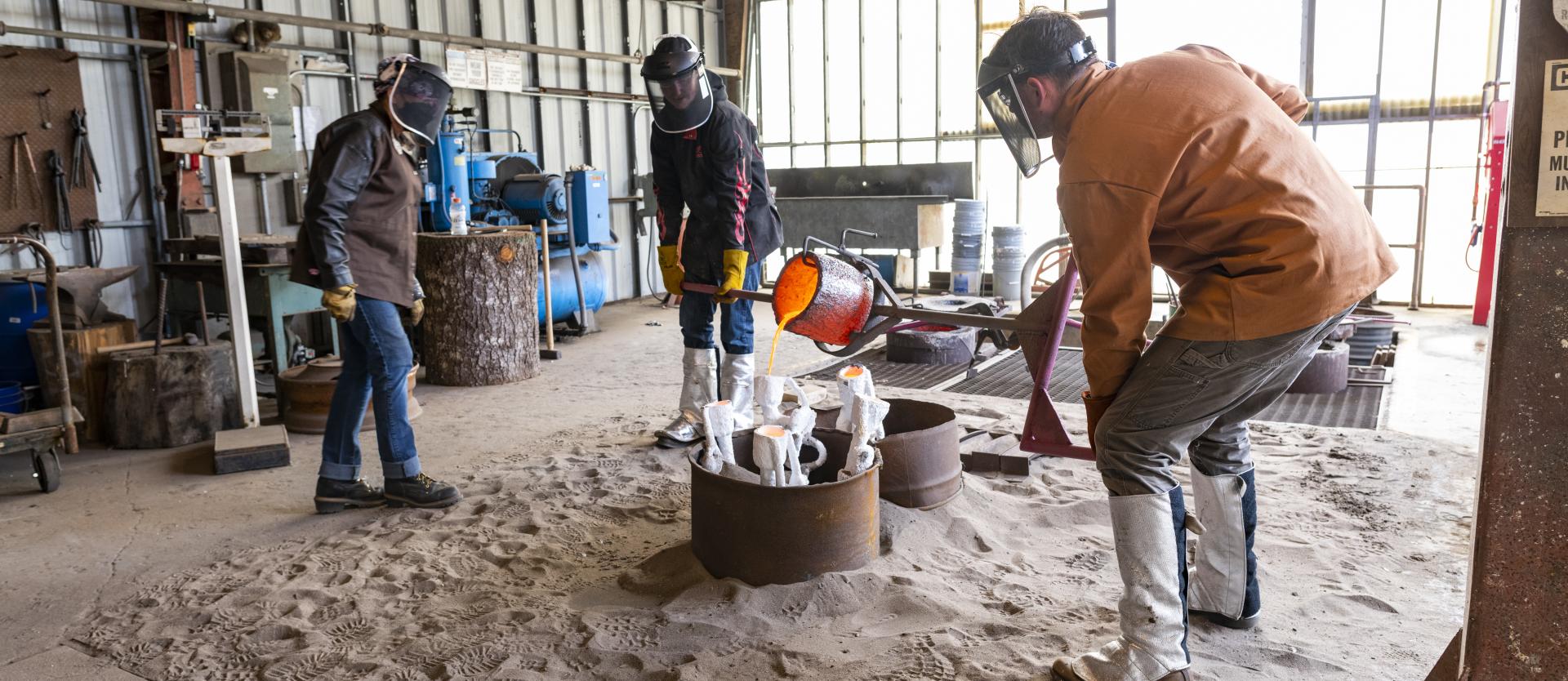
Our facilities include a foundry, ceramics lab, printmaking studio, photography lab, galleries, and much more. You’ll get hands-on experience in many disciplines of your choosing.

Our small class sizes mean getting to know your professors and fellow students. Your connections will help you grow as an artist and intellectual.

The local area is well-known as an intimate but inclusive arts haven. You’ll interact with professional artists and show art in local galleries.

Image
student pouring

Did you know?

Art is one of the largest majors at Cal Poly Humboldt.

There are three art galleries on campus, including the Goudi'ni Native American Arts Gallery, which highlights the work of contemporary and traditional Native American artists.

Every second weekend of the month, downtown Arcata puts on Arts! Arcata. It’s a self-guided celebration of visual and performing, and a great opportunity to meet local artists and get to know the community.

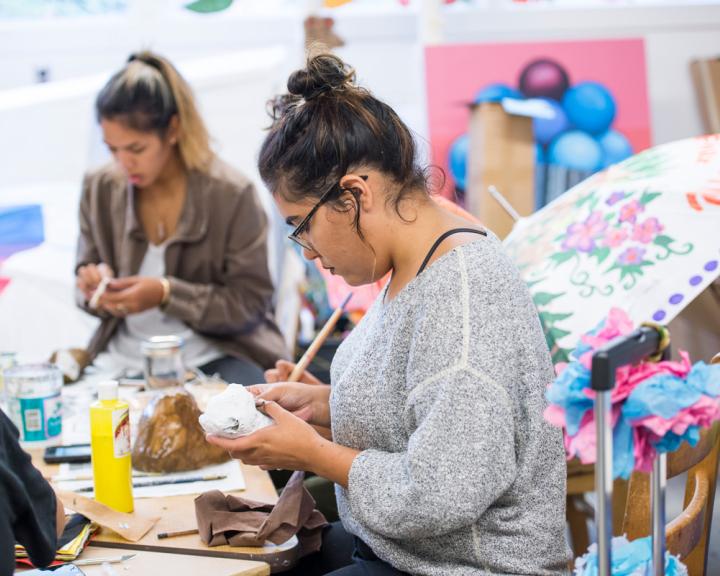
students working on ceramics

Careers

Our alumni have gone on to pursue careers that harness the creative thinking, critical inquiry skills, and communication skills they developed at Humboldt. Art students find a strong foundation in communication skills, informing and explaining ideas, describing and evaluating ideas, problems, and events, and observing people, data, and visual information.

  • Animator
  • Art Critic
  • Art Director
  • Curator
  • Exhibit Designer
  • Fashion Designer
  • Graphic Artist
  • Illustrator
  • Jeweler
  • Photographer
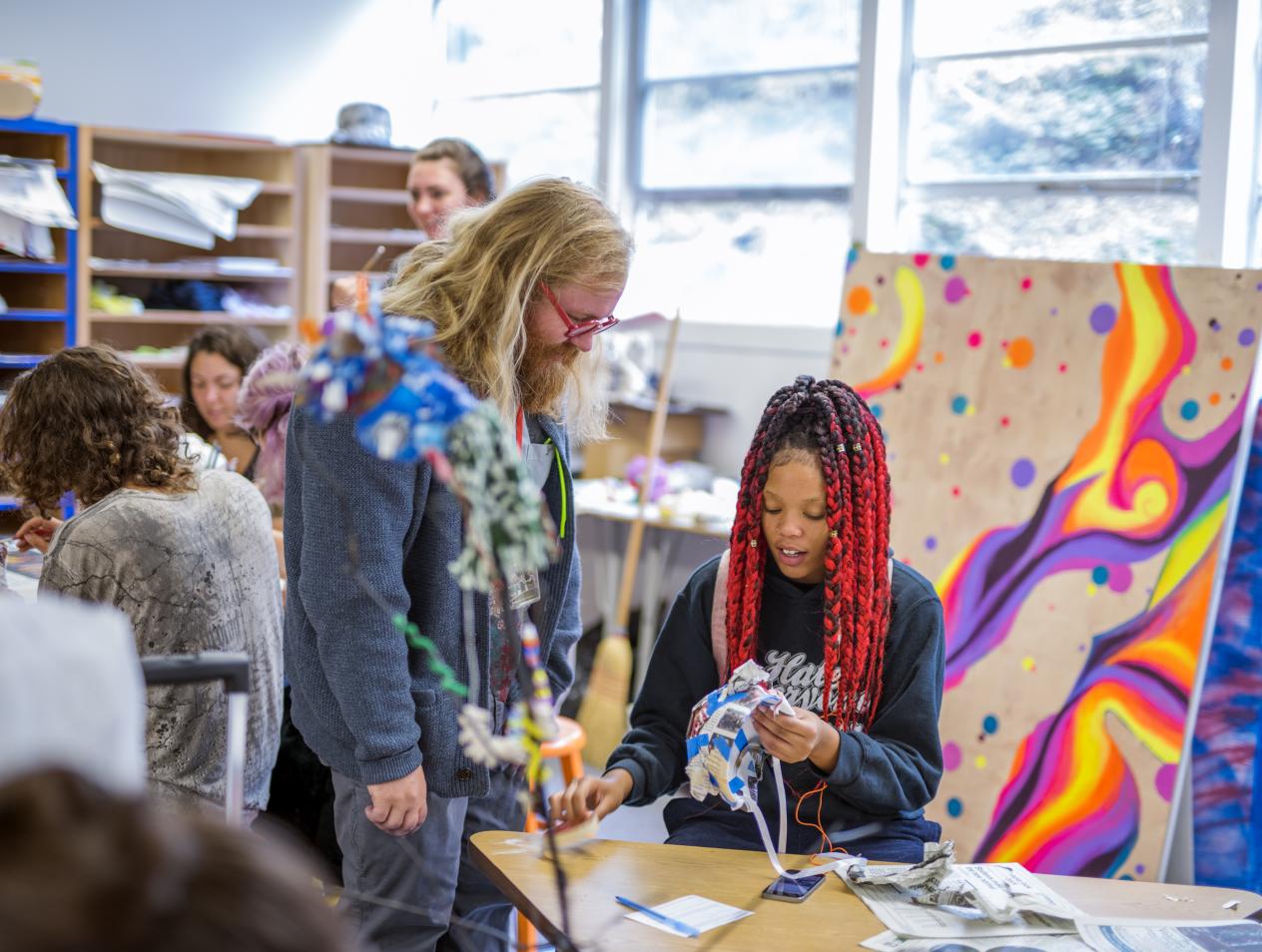
student painting a sculpture

Ready to find what
your future holds?

Breadcrumb

Anthropology, B.S.

Anthropology is a holistic science dedicated to the study of human cultural and biological diversity and evolution. Anthropology is unique in that it integrates fields of study that traditionally span multiple disciplines in the sciences, arts, and professional studies.

Studying anthropology is a great way to learn about the many significant and intriguing facets of humanity across place and time.

Why this Program

Our research, laboratory, and field experiences are interactive and hands-on, giving you real world experience to prepare for your future.

Our small class sizes mean you get to know your peers and instructors well, developing bonds that help you through your schooling and career.

Anthropology graduates are well suited for the academic, nonacademic, and increasingly global job market, as well as continuation in advanced degree programs.

Image
students and professor leaning over a table studying

Program Concentrations

Archaeologists study material remains, the things that people leave behind, including artifacts such as tools and vessels, features such as hearths and buildings, and ecofacts such as animal bones and plant remains. Archaeologists study this evidence and use that information to better understand the cultures that left them behind and to help protect cultural resources.

Biological anthropologists study human biology and evolution across diverse fields: primatologists focus on the behavior, evolution, and conservation of our nonhuman primate relatives; paleoanthropologists focus on the fossil record and genetics, forensic anthropologists analyze skeletal remains in medical, legal, and human rights contexts; and evolutionary health experts use knowledge of evolution to investigate disease and heath.

Anthropology is a holistic science dedicated to the study of human cultural and biological diversity and evolution. Anthropology integrates fields of study that traditionally span multiple disciplines in the natural and social sciences, arts, and professional studies, blurring the lines between these divisions. Anthropologists are in a unique position to make critical scientific interventions in part because the discipline has been engaged in ongoing dialogue on the philosophy of science itself and the conditions that shape knowledge production. Anthropology at Cal Poly Humboldt is centered on critically rethinking and reshaping scientific paradigms, epistemologies, and ethics.

Linguistic anthropology is the dynamic study of language, addressing topics like language formation and spread, how and why languages change over time, and what happens when multiple languages meet. Linguistic anthropologists investigate how language operates in global society. They study symbolic systems, how language varieties relate to culture and society, and how specific linguistic patterns influence language change.

Sociocultural anthropologists investigate ways humans organize themselves, cultural practices, beliefs, meaning and value, and how material and intellectual resources are allocated. Human cultures dynamically change in response to the environment, the people, and other cultures. Sociocultural anthropology promotes an understanding of cultural differences, similarities and negotiations between cultural forms. 

Research Facilities & Collections

The Anthropology Department has multiple laboratories, a collections facility, and a simulated archaeological site, which include state-of-the-art technologies. Students and collaborating scientists use these facilities for classes, hands-on training, and to conduct a wide range of innovative research. Anthropology students have presented their findings at professional conferences, co-authored papers in peer-reviewed journals, and won awards and scholarships for their research.

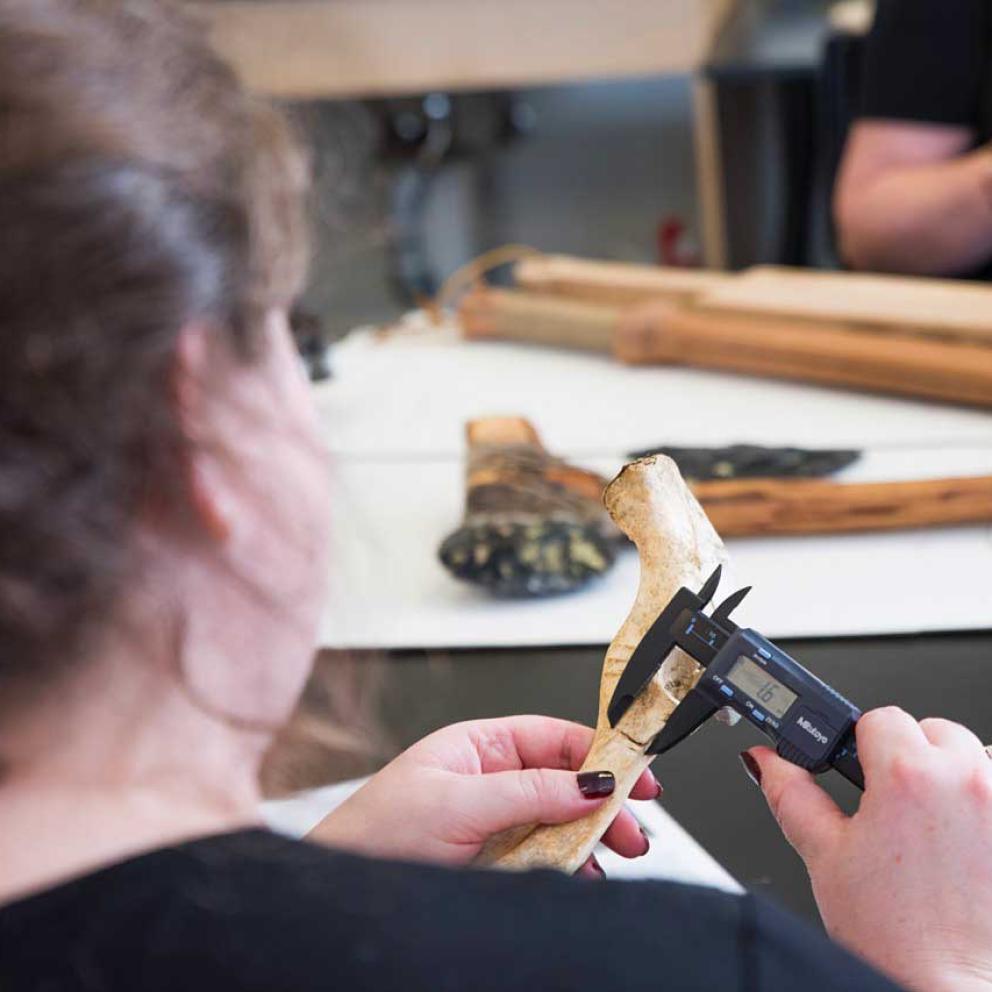
Student measuring a bone with calipers

Did you know?

Many of the many meaningful career paths for anthropology graduates is in the area of cultural resources management (CRM). At Cal Poly Humboldt, students have the unique opportunity to work with our on-site CRM firm, the Cultural Resources Facility, which is one of the largest CRM firms in the state that is directly associated with a university.

In addition to our anthropological field schools, many of our students take advantage of Cal Poly Humboldt’s exchange programs, which enable students to travel the world and make hands-on, international experience an integral part of education. Students may receive units of Anthropology major credit for international study.

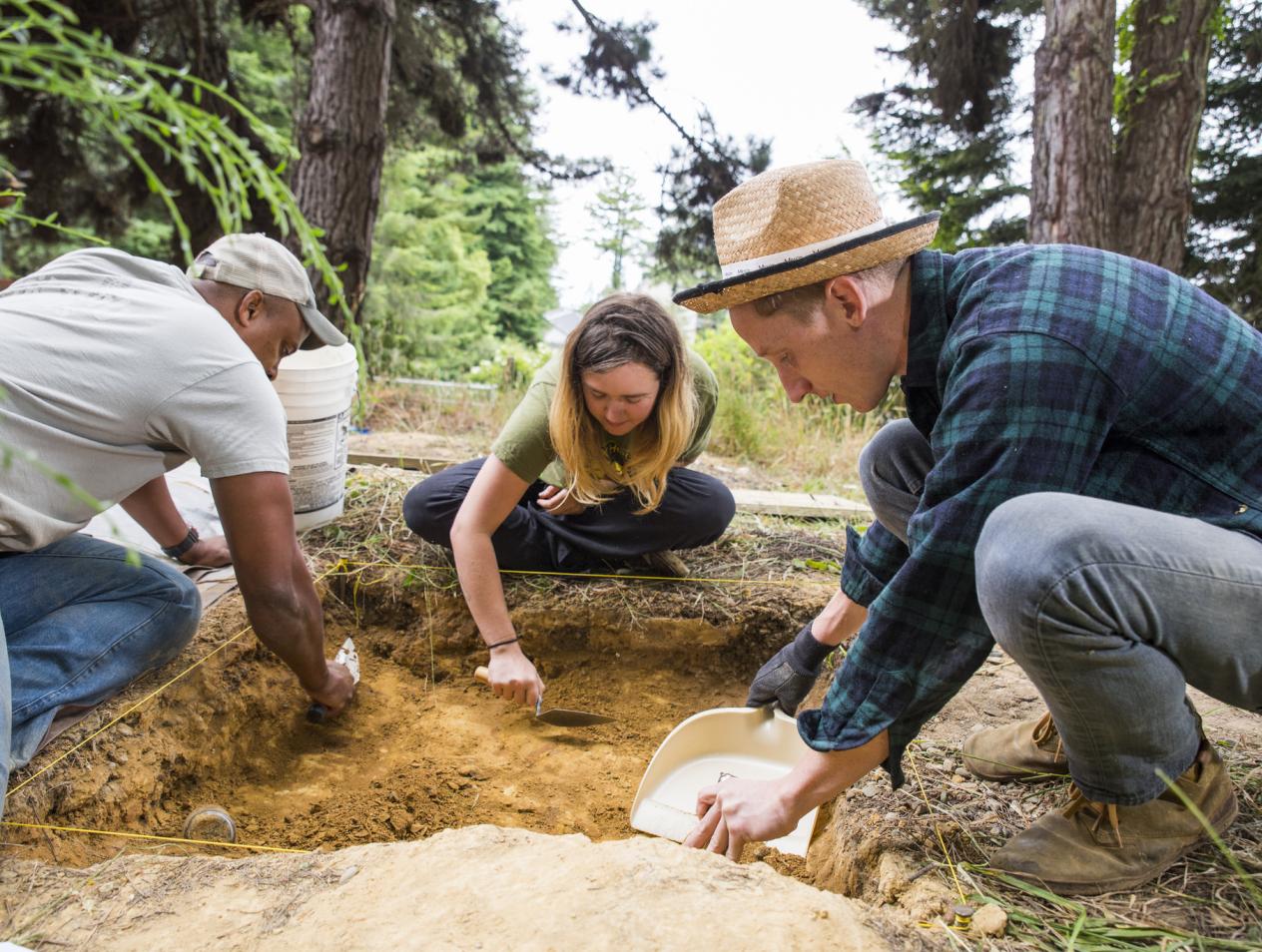
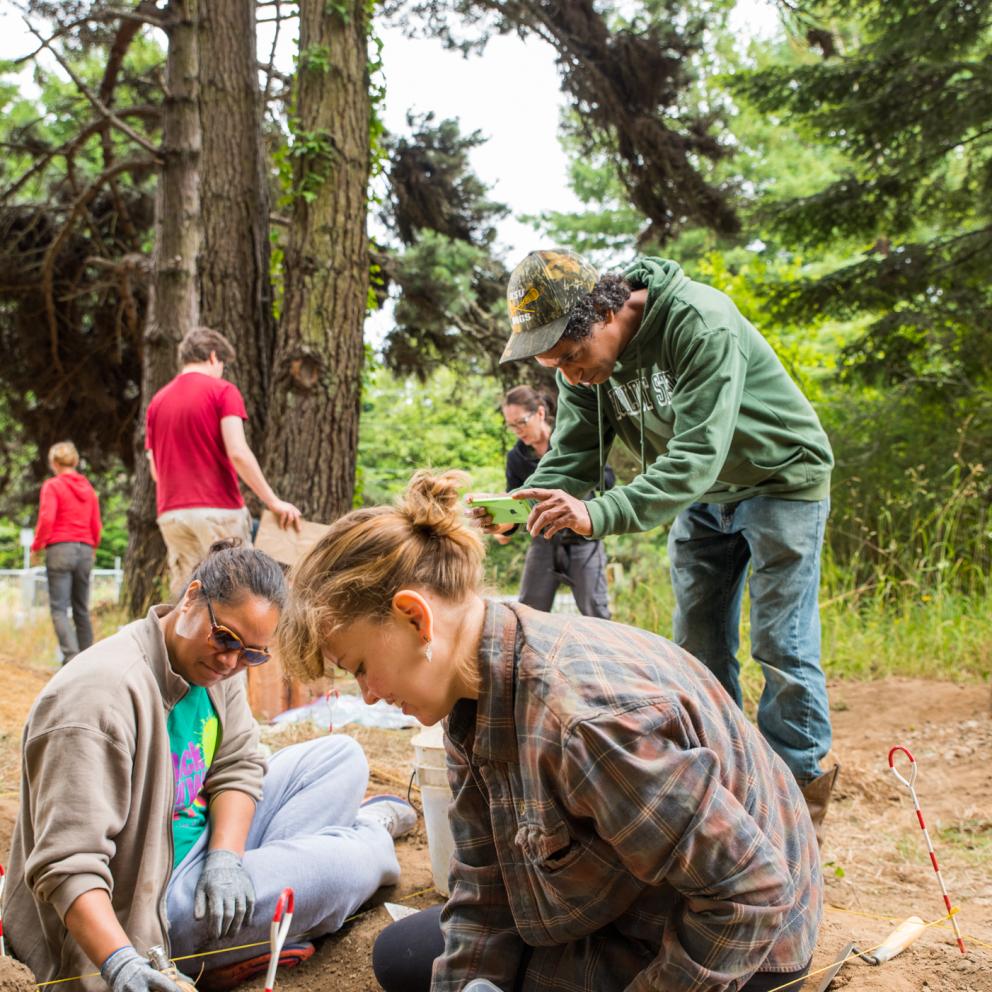
Students uncovering things in the dirt

Careers

Anthropology students gain specialized knowledge and research skills in subfields and world regions through advanced coursework and hands-on laboratory and field experiences. This provides a basis for employment in a wide range of careers and advanced degree programs.

  • Archaeologist
  • Museum Curator
  • Ethnographer
  • Linguist
  • Cultural Resources Manager
  • Paleoanthropologist
  • Forensic Anthropologist
  • Primatologist
  • Environmental Anthropologist
  • Medical Anthropologist
  • And more!
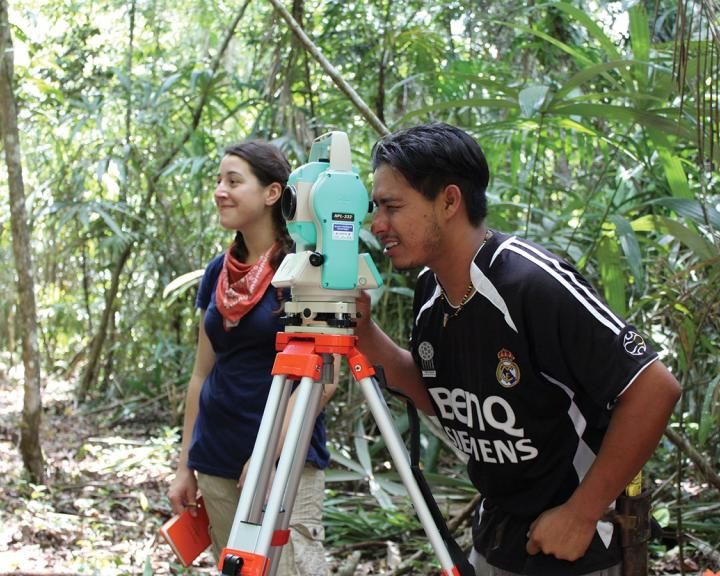
two students looking through a piece of equipment

Ready to find what
your future holds?

Subscribe to Bachelor's